


Why our products?
- Free shipping on orders over 49 €
- Satisfied customers
- Delivery date is specified within the product description
Black tea


We are familiar with black tea as the typical representative of all teas. That is probably because it was the only tea known in Europe for a long time. All the others lost their aroma and colour as they travelled by ship. Black tea is ''preserved'' by fermentation and can survive the rigours of… view all


-
Anhui (3)
-
Assam (13)
-
Ceylon (1)
-
Darjeeling (22)
-
Darrang (1)
-
Dibrugarh (1)
-
Dimbula (7)
-
EU (1)
-
East Bengal - Baghmari (1)
-
Fengqing (1)
-
Fuding (1)
-
Fujian (5)
-
Guangxi (1)
-
Guria (4)
-
Hubei (1)
-
Ilam (2)
-
India / Assam (1)
-
Kagoshima (1)
-
Kandy province (3)
-
Kurseong (1)
-
Milima (1)
-
Mount Kenya (1)
-
Mount Namuli (2)
-
Nilgiri (3)
-
Nuwara Eliya (2)
-
Olengurone (1)
-
Ruhuna (18)
-
Rukeri (1)
-
Sanxia (1)
-
Sidamanik (1)
-
Sikkim (1)
-
Uva (1)
-
Valle de Cauca (1)
-
Wuyi (1)
-
Yuchi Township (1)
-
Yunnan (12)
-
Zhejiang (1)
-
Apple (1)
-
Aromatic (5)
-
Bergamot (7)
-
Black cherries (1)
-
Bourbon (1)
-
Cactus (1)
-
Caramel (2)
-
Chilli (1)
-
Cinnamon (2)
-
Citruses (2)
-
Citrusy (4)
-
Cream (2)
-
Creamy (1)
-
Distinct (3)
-
Earthy (1)
-
Eggnog (1)
-
Fine/ delicate (11)
-
Finely milky/ (jestli je myšlena čokoláda tak "fine milk chocolate") (1)
-
Finely piquant (1)
-
Floral (16)
-
Forest fruit (1)
-
Fresh (14)
-
Fruit (6)
-
Fruity (14)
-
Full/ full-bodied (7)
-
Ginger (1)
-
Grapes (1)
-
Harmonious (2)
-
Herby/ herb like/ a touch of herbs (2)
-
Hint of sweetness/ sweetish (19)
-
Honey flavoured/ honey-like/ honey-sweet (5)
-
Intense (1)
-
Lemon (3)
-
Light (2)
-
Light/slight (1)
-
Lingonberry (1)
-
Lychee (1)
-
Malty (8)
-
Mandarine (1)
-
Mango (2)
-
Marzipan (1)
-
Mildly malty (1)
-
Mildly spicy (3)
-
Mint (1)
-
Muscatel (1)
-
Natural (5)
-
Nuts (1)
-
Nutty (1)
-
Orange (2)
-
Peach (2)
-
Pear (1)
-
Piquant/spicy (12)
-
Pokud je myšlen chuť například muškátového květu tak je to = mace/ mace flavoured). Jestli je myšlena rostlina, neboli pelargonie = geranium/ geranium flavoured (1)
-
Pumpkin (1)
-
Roasted (1)
-
Rose (2)
-
Rum (1)
-
Slightly astringent (1)
-
Slightly smoky (1)
-
Smoked (1)
-
Smoky (2)
-
Smooth (1)
-
Sour cherry (1)
-
Spiced (5)
-
Spices (12)
-
Strawberry (1)
-
Strong (1)
-
Sweet (6)
-
Tropical fruit (1)
-
Unique (1)
-
Vanilla (3)
-
Warming (1)
-
Almonds (1)
-
Anise (2)
-
Apples (2)
-
Apricots (1)
-
Bergamot (6)
-
Black tea (129)
-
Blackcurrant (1)
-
Blueberries (1)
-
Bramble leaves (1)
-
Buckwheat (1)
-
Cardamom (1)
-
Carob (1)
-
Chicory (1)
-
Cinnamon (6)
-
Clove (6)
-
Cocoa (1)
-
Cornflower (5)
-
Cranberries (2)
-
Ginger (7)
-
Ginkgo biloba (1)
-
Green tea (2)
-
Guarana (1)
-
Hibiscus (1)
-
Jasmine (2)
-
Lemon peel (3)
-
Lemongrass (2)
-
Mallow flower (2)
-
Mango (5)
-
Nettle (1)
-
Orange (2)
-
Orange peel (5)
-
Papaya (3)
-
Peach (1)
-
Pear (2)
-
Pepper (2)
-
Pineapple (5)
-
Pink Pepper (3)
-
Redcurrant (3)
-
Rose hip petals (7)
-
Safflower (1)
-
Sour cherry (1)
-
Strawberries (2)
-
Tangerine (1)
-
Vanilla (2)
-
Yerba Mate (2)
-
Young Barley (1)
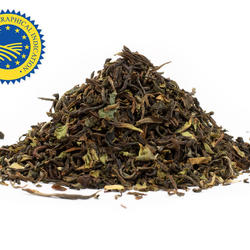
Darjeeling Earl Grey – Black Tea
Ceylon FBOPF SP Koppaakanda – Black Tea
Assam FTGFOP1 First Flush Baghmari – Black Tea
Assam TGFOP – Black Tea
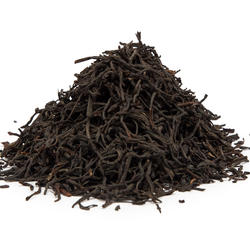
Rukeri Rwanda OP – Organic Black Tea
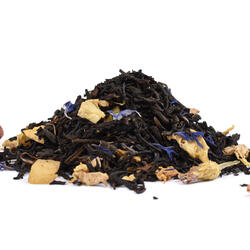
Fragrant Garden – Black Tea
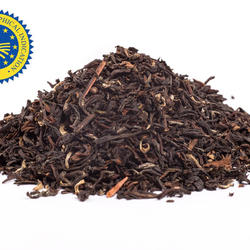
Darjeeling Margarets Hope TGFOP Second Flush – Black Tea
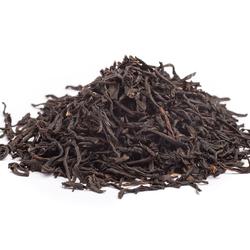
Assam TGFOP1 Sonipur – Organic Black Tea
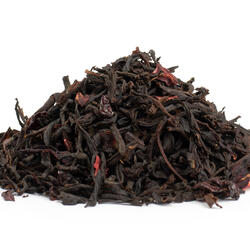
Rummy Cherries – Black Tea
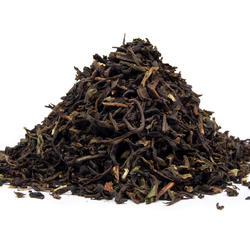
Earl Grey – Organic Black Tea
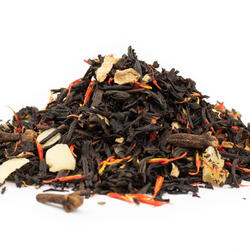
Moment of Harmony – Black Tea
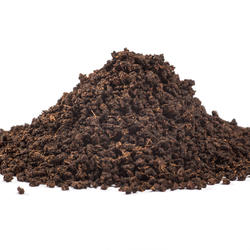
Assam Second Flush BOP Corramore - Black Tea
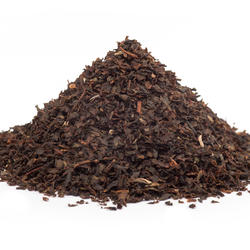
Java BOP1 Pasir Malang – Black Tea
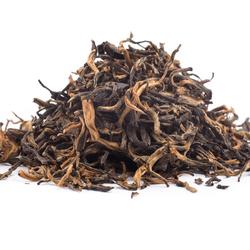
Yunnan Black Mao Feng – Black Tea
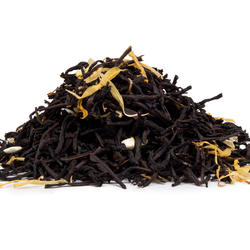
Eggnog – Black Tea
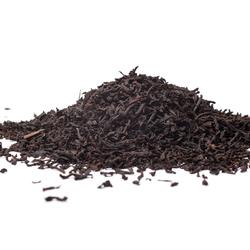
Ceylon FOP Candyman Kandy – Black Tea
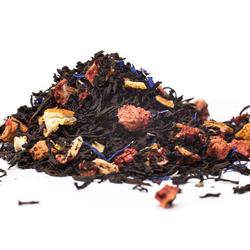
Madagascar – Black Tea
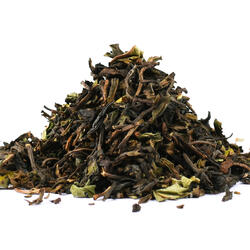
Darjeeling TGFOP1 Gielle – Black Tea
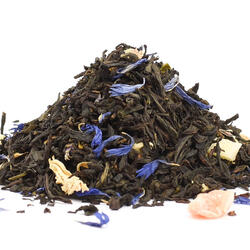
Mango-Peach – Black Tea
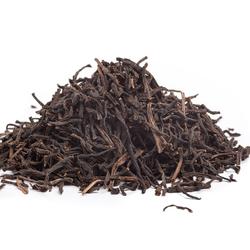
Ceylon OP1 – Decaffeinated Black Tea
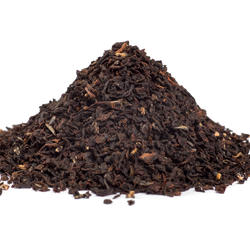
Sumatra BOP1 Bah Butong – Black Tea
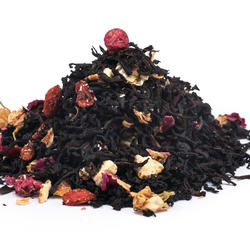
Garden of India – Black Tea
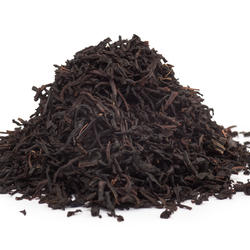
Vanilla Dream – Black Tea
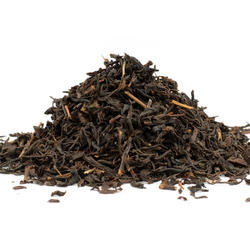
Mozambique OP1 Monte Metilile – Organic Black Tea
Black tea
We are familiar with black tea as the typical representative of all teas. That is probably because it was the only tea known in Europe for a long time. All the others lost their aroma and colour as they travelled by ship. Black tea is ''preserved'' by fermentation and can survive the rigours of transport more easily.
The increased demand for black tea naturally led to higher production in the countries of origin. Historical sources speak of the mid-17th century when the world's plantations began to supply the world with more fermented tea. The most famous black teas come from Darjeeling or Assam in India. Sri Lanka is the top producer as well, while China and Japan are certainly not left out.
Black tea is called red tea because of the colour of its infusion. Although the locals do not know its taste, both Asian countries are exporters of black tea of exceptional quality. There are also several black teas on the market from Kenya and Zimbabwe.
First oxidation, then drying.
To produce black tea, there is a specific oxidation of polyphenols, also known as fermentation. For the chemical process to take place, the tea leaves must be mechanically damaged. It is the only way to release the juice from their cells, which catalyses the fermentation. The process takes from a few minutes to two hours. Tea that has been fermented for too long has an unpleasant, earthy taste. Fermentation is completed by drying at around 80 °C.
Caffeine, which is a friend for difficult mornings, provides good digestion and a positive mind.
Black tea has been the subject of many studies on the health effects of its consumption. The key message that has emerged is that black tea contains over 400 different substances. These include caffeine, polyphenols, flavanols, flavonoids, vitamins C, B, A and K, enzymes, minerals and trace elements. The main active ingredient is caffeine, referred to as theine in the case of tea. Fresh tea leaves may contain up to 7 % of tea, but more often it is around 5 %. Theine is released into the infusion, mostly in the first 30 seconds. And its effects?
- It stimulates the nervous system,
- eliminates fatigue and insomnia,
- improves concentration,
- stimulates metabolism, lungs and heart, and helps oxygenate the brain.
A good quality black tea, such as Assam Doomur Dullung or Bio Darjeeling, can change a bad day to a great start. The English serve the first cup of strong black tea straight in bed on purpose. The classic Earl Grey with its typical bergamot aroma or English Breakfast is perfect for this matter.
Preparation
Preparing black tea is not difficult. In usual household conditions, all you need is a strainer or teapot. For more sophisticated preparation, two glass teapots are suitable - one for steaming and steeping the leaves, the other for serving. Pour hot water over the first teapot to heat and clean it. Use 4-6 grams (3-4 teaspoons) of tea per litre of water. The water should reach a temperature of 98-99°C (just after boiling). Black tea is usually steeped for 3 to 6 minutes (fractional teas shorter, whole leaf longer). Sugar, honey, milk (it is recommended to pour milk over tea), and lemon are ideal for flavouring. For inspiration, check out our article - 13 tips to flavour your loose-leaf tea. If you want to enjoy all the notes of black tea, drink it without additives.
