


Why our products?
- Free shipping on orders over 49 €
- Satisfied customers
- Delivery date is specified within the product description
Korean tea


Korea has known tea even longer than neighbouring Japan. The first historical record documents the use of tea leaves in a sacrificial ritual in 661. Tea belonged to Buddhist monasteries, so when the ruler of Korea wanted to destroy them in the 14th century, he succeeded in destroying the tea… view all
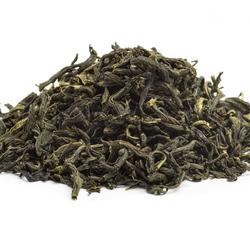
Joongjak Plus – Organic Green Tea
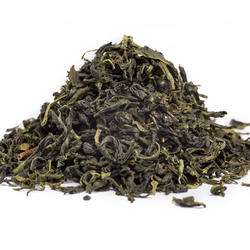
Korea Jeju OP – Organic Green Tea
Korean tea
Korea has known tea even longer than neighbouring Japan. The first historical record documents the use of tea leaves in a sacrificial ritual in 661. Tea belonged to Buddhist monasteries, so when the ruler of Korea wanted to destroy them in the 14th century, he succeeded in destroying the tea-drinking culture. The plantations went wild. There were only a few places where tea trees were maintained to prepare the ingredients for whipped tea. Systematic cultivation, production and consumption of tea returned to the country in the 1980s.
Politically, Korea has been divided into two countries since 1945 - North and South Korea. But we will leave aside modern attempts at reunification and proclamations of friendly relations. If we look at the region on the Korean peninsula and the adjacent mainland in East Asia through the lens of tea, we will rejoice much more. At present, tea plants of Japanese origin are growing on the plantations there.
The production of selected Korean teas probably follows the ancient Chung-cha method of immersing the wilted leaves in hot water for a short time. It stops the natural oxidation of the enzymes. At the same time, the tea is deprived of theine, which is highly soluble in warm water. The second procedure is more ''Chinese''. It involves dry roasting the greens, Bucheo-cha or Pucho-cha in Korean. Korea produces mainly green tea, with small amounts of black or semi-fermented tea.
Anyone who has ever visited Korea in person will confirm that it is a mountainous area, including three thousand small islands. The large metropolises with modern skyscrapers, Buddhist palaces, temple complexes and beautiful nature are worth a visit.
