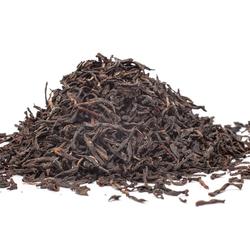
Joongjak Plus – Organic Green Tea


Why is South Korean Joongjak so pleasant, fresh and fragrant? Its unique qualities are due to the fertile volcanic soil in which it grew, the clear water that irrigated it, and the pleasant climate that surrounded it. Korea has been a long-time producer of high-quality teas, and in recent years its produce has once again become a sought-after product. Organic farming plays into the tea's hands!
Shipping methods
| Nizozemská pošta HD - zásilkovna | Delivered by 22. 10. | 1,00 € |
|---|---|---|
 DHL DHL |
Delivered by 22. 10. | 4,90 € |


Ingredients
100 % Green tea JOONGJAK PLUS BIOBrew & Taste
This special green tea has a floral, pleasantly fresh taste. The aroma is really very light, faintly sweet. The infusion has a lemon-yellow colour.
Origins

Korean teas, despite not exactly flooding the market with them, can boldly compete with other excellent market staples. Their history is marked by the Korean ruler's desire to destroy all Buddhist monasteries. In the 14th century, the tea plantations went with them. The tea plants died partly, partly went wild. It is only in the last few years that the Koreans have returned to growing and producing tea.
Thanks to the extremely favorable climate and excellent soil conditions, Korean teas achieve excellent qualities. Their aroma is influenced by the sea air, and in some cases they can be boldly compared to Japanese teas.
We brought Joongjak green tea from Jeju Island (Cheju, Cheju Do), one of the nine provinces of South Korea. It is the southernmost and largest island of the Korean peninsula. The main agricultural commodities are cereals. Tourists seek out Jeju for its Cheonjeyeon waterfalls, Halim Park, and Manjang Cave.
Depending on the time of year in which the Korean tea is harvested, it is divided into Ujon (Woojeon), Sejak (Saejak), and Chungjak (Joongjak). The latter comes from the harvest after May 6th and is classified as a common consumer tea. It is characterized by its small, olive-green, intricately twisted leaves. This tea is a product of organic farming. The producer's certification guarantees that the tea does not contain heavy metals, pesticides or other harmful substances. The tea leaves have been dried in the traditional Korean way.
Benefits of ingredients:

Tea packaging preview
We pack our teas in a strong, zip-lock aluminum packet which allows you to easily re-seal its contents. This container protects the quality of the tea against humidity, light or foreign odors, all of which could noticeably affect the quality of the brew.
Preparation
 70-80 °C
|
 2 minutes
|
 1 teaspoon for 150-200 ml
|
Instructions for preparation
Pour 150-200ml of boiled water (70-80°C) per 1 teaspoon of tea.
When brewing in a teapot add 1 extra teaspoon.
Covered, let steep for 2 minutes, then remove the strainer.


Are you looking for inspiration? Other customers have bought this:
Lychee Gold Dragon Pearl – Black Tea
Manuhan – Ayurvedic Herbal Tea