Manuhan – Ayurvedic Herbal Tea


You know the drill… a sore throat in the morning, colleagues coughing left and right, and still, you need to work. Everybody has their own way of dealing with this. Some rely on vitamins, others look to something stronger, and others yet crawl under the covers and hope for the best. We’ve blended an extraordinary tea – one that warms you all the way to the fingertips and makes the day look brighter. Inspired by Ayurveda, we’ve leaned on the good old classics. No sugars, just a nice dose of herbs to be prepared for anything. And since it’s working for us, we thought it might help you, too.
Shipping methods
| Nizozemská pošta HD - zásilkovna | Delivered by 16. 10. | 1,00 € |
|---|---|---|
 DHL DHL |
Delivered by 16. 10. | 4,90 € |


Ingredients
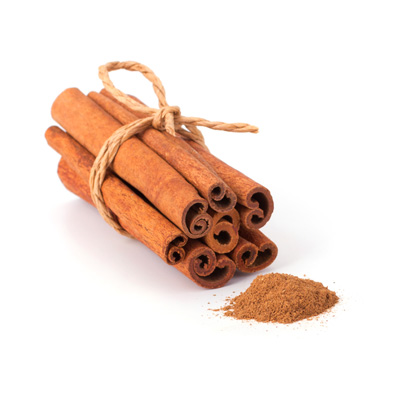
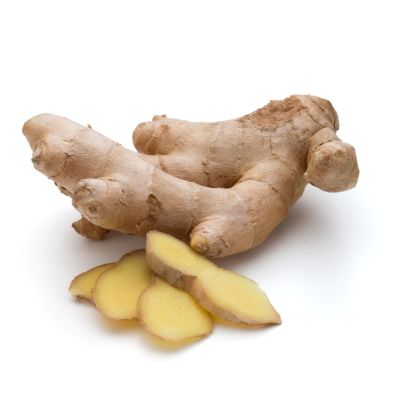
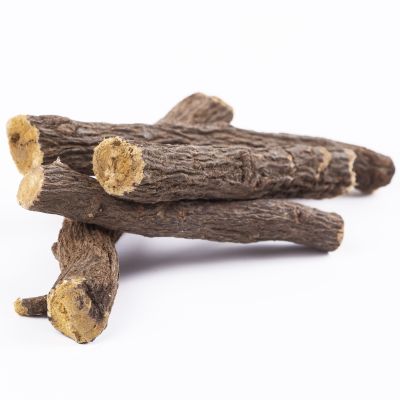
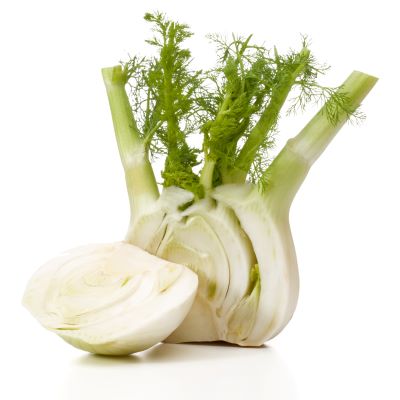
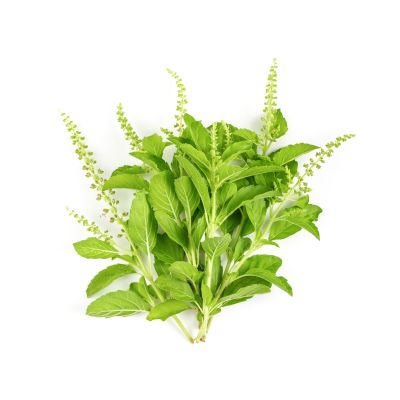
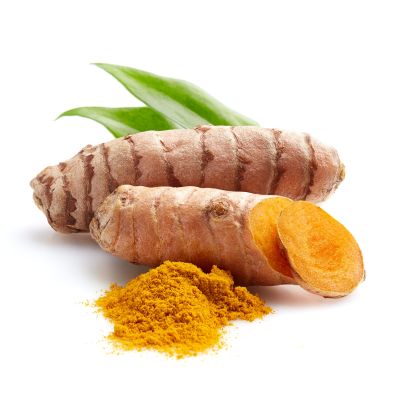
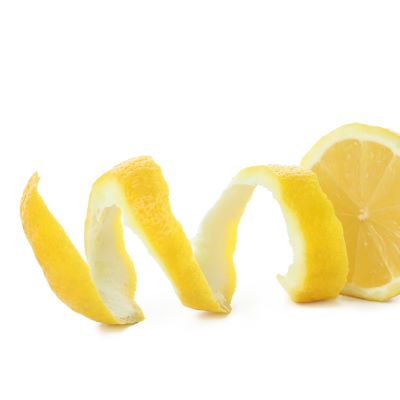
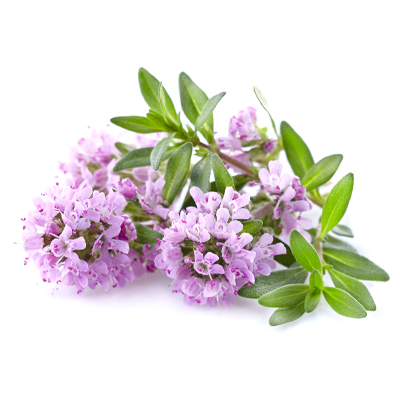
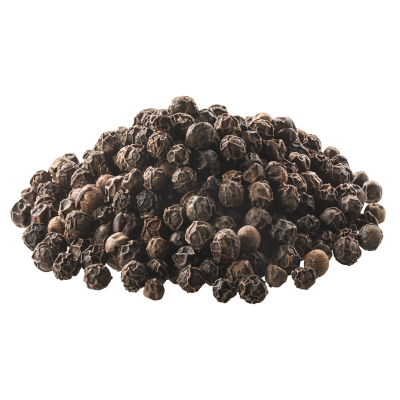
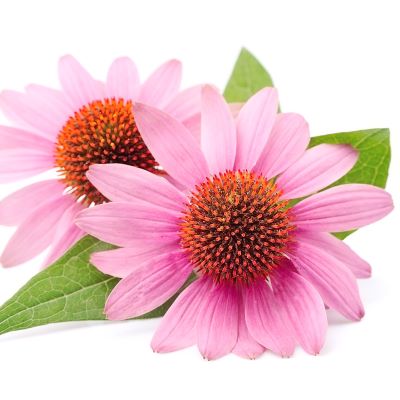
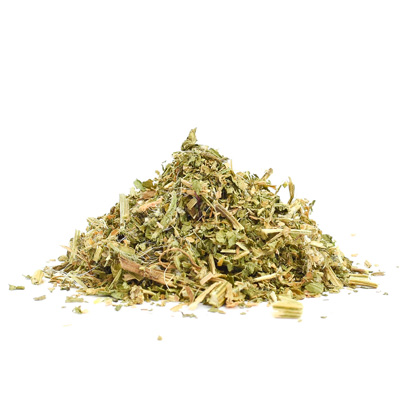
Cinnamon, Ginger, Liquorice root, Fennel, Tulsi herb, Turmeric, Lemon peel, Thymus, Black Pepper, Burdock root, Echinacea, St. Benedict's thistleBrew & Taste
Manuhan herbal tea is amber-colored, with a properly strong flavor. The first thing you’ll notice after brewing it is notes of ginger, warming you up from the very first sip. Peppercorns add a hint of spice and licorice leaves a pleasant sweetness on your palate. It’s not some mild tea for an all-day enjoyment – it’s a kickstart for those who need it.
Origins
No mysterious alchemies at work here. You’ve more than likely already came across every ingredient in Manuhan. First, ginger; lots of ginger. Then cinnamon, which is simply indispensable. Turmeric and peppercorns, a surprisingly well-coordinated duo. Echinacea, because it works. And even thyme, proven to be worthy by our ancestors. Which means you can read all the ingredients aloud without stumbling over your words. And more importantly, you know what you’re drinking.
Thyme, fennel, burdock, and many other ingredients in this blend are plants that are relatively common in Europe. At first glance, St. Benedict's thistle looks like an unsightly thistle, and you wouldn't even notice it in a flowering meadow. You may therefore be surprised to learn that during the Middle Ages, it earned the nickname ""blessed"". It was cultivated in monastery gardens as a gift from heaven, capable of warding off the plague, poison, and scorpion stings. And because of its fame, even the great Shakespeare mentioned it in his comedy at the end of the 16th century. Isn't that fascinating?
Another herb worth mentioning is echinacea, which was originally cultivated by the North American natives. And while St. Benedict’s thistle was gaining fame in Europe and echinacea in the prairies, turmeric and pepper were rising to fame in Asia. But that probably won't surprise you, as you can find them in every kitchen today.


Tea packaging preview
We pack our teas in a strong, zip-lock aluminum packet which allows you to easily re-seal its contents. This container protects the quality of the tea against humidity, light or foreign odors, all of which could noticeably affect the quality of the brew.
Preparation
 90 °C
90 °C
|
 8-10 minutes
|
 1 teaspoon for 150-200 ml
|
Instructions for preparation
- Before brewing, shake the teabag well to combine all the ingredients properly.
- Pour 150-200 ml of boiled water (90°C) per 1 teaspoon of tea.
- Covered, steep for 8-10 minutes, then remove the strainer.
- If you prefer stronger tea, lessen the amount of water or add another teaspoon of tea.