


Why our products?
- Free shipping on orders over 49 €
- Satisfied customers
- Delivery date is specified within the product description
Indian tea


India and tea belong together like a cup and saucer. Their history is firmly linked back to the 12th century. A record describing the use of the leaves of the Assam tea tree as a vegetable and for making the beverage was at that time made by a Dutch traveller. Seven hundred years later, tea… view all
-
Aromatic (2)
-
Bergamot (1)
-
Bitter (4)
-
Bitter/ hint of bitterness (3)
-
Bittersweet (1)
-
Caramel (1)
-
Citruses (1)
-
Citrusy (2)
-
Cream (2)
-
Distinct (1)
-
Earthy (2)
-
Fine/ delicate (6)
-
Finely piquant (1)
-
Floral (14)
-
Fresh (12)
-
Fruit (3)
-
Fruity (4)
-
Full/ full-bodied (3)
-
Harmonious (1)
-
Herby/ herb like/ a touch of herbs (5)
-
Hint of sweetness/ slightly sweet (1)
-
Hint of sweetness/ sweetish (8)
-
Intense (1)
-
Lemon (1)
-
Light (1)
-
Lychee (1)
-
Malty (3)
-
Muscatel (1)
-
Natural (5)
-
Neutral (1)
-
Piquant/spicy (7)
-
Pokud je myšlen chuť například muškátového květu tak je to = mace/ mace flavoured). Jestli je myšlena rostlina, neboli pelargonie = geranium/ geranium flavoured (1)
-
Refreshing (1)
-
Slightly sour (1)
-
Spiced (4)
-
Spices (5)
-
Spicy (1)
-
Sweet (7)
-
Vanilla (1)
-
Anise (1)
-
Ashwagandha (1)
-
Banana (1)
-
Bergamot (1)
-
Bindii (1)
-
Black tea (45)
-
Brahmi (1)
-
Cinnamon (5)
-
Clove (5)
-
Cranberries (1)
-
Ginger (6)
-
Green tea (2)
-
Guduchi (1)
-
Jasmine (1)
-
Lemongrass (2)
-
Mallow flower (1)
-
Mango (1)
-
Moringa (3)
-
Mucuna Pruriens (1)
-
Neem (1)
-
Orange (1)
-
Orange peel (1)
-
Papaya (2)
-
Pepper (3)
-
Pineapple (1)
-
Pink Pepper (2)
-
Psyllium (1)
-
Redcurrant (1)
-
Rose hip petals (1)
-
Senna (1)
-
Shatavari (1)
-
Smilax (1)
-
Strawberry (Fragaria) leaves (1)
-
Tulsi (2)
-
Turmeric (2)
-
White tea (1)
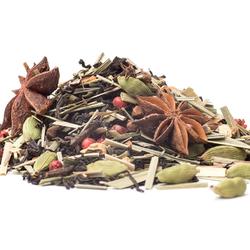
Masala Chai – Black Tea
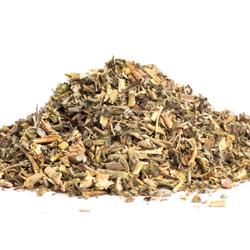
Tribulus Terrestris – Herb
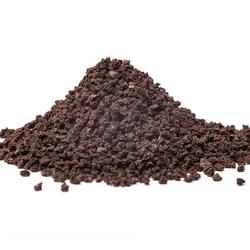
Assam Hatimara CTC BOP – Black Tea
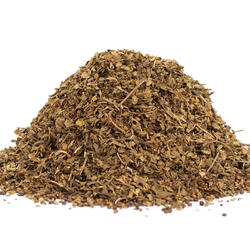
Tulsi (Ocimum Tenuiflorum) BIO – Herb
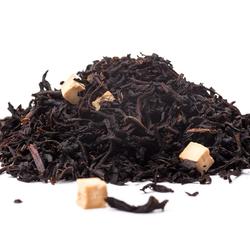
English Caramel – Black Tea
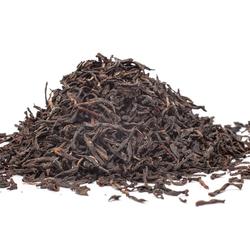
Assam TGFOP1 – Black Tea
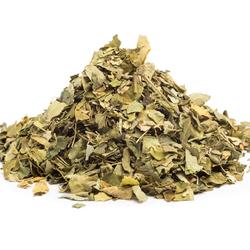
Moringa Leaf – Herb
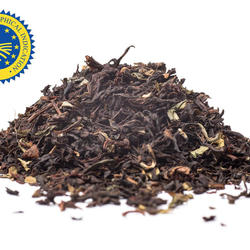
Darjeeling TGFOP1 Silverhill – Black Tea
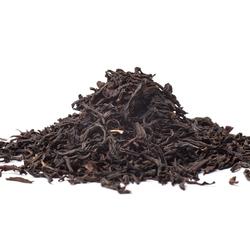
Assam TGFOP1 Second Flush Monipur – Black Tea
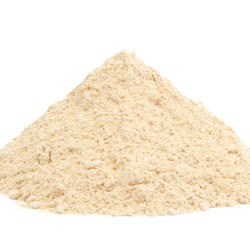
Ashwagandha (Withania Somnifera) – Organic Powder
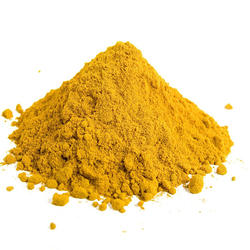
Turmeric – Organic Powder
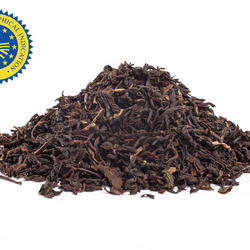
Darjeeling FTGFOP1 – Black Tea
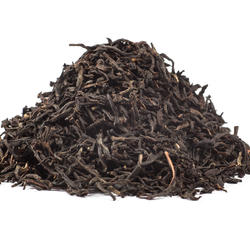
Assam TGFOP1 Margerita – Black Tea
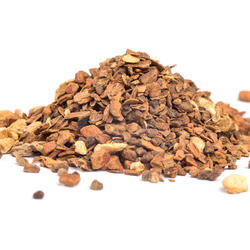
Yogi Blend – Ayurvedic Tea
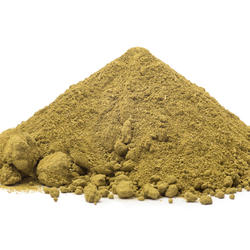
Neem (Azadirachta Indica) – Organic Powder
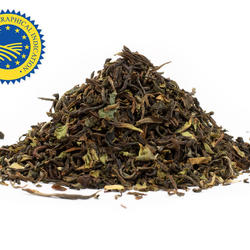
Darjeeling Earl Grey – Black Tea
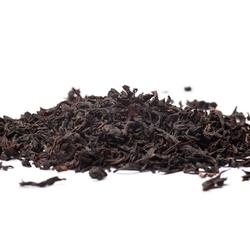
Assam FTGFOP1 First Flush Baghmari – Black Tea
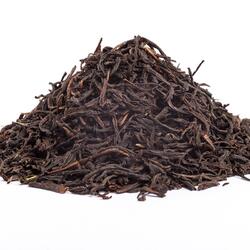
Assam TGFOP – Black Tea
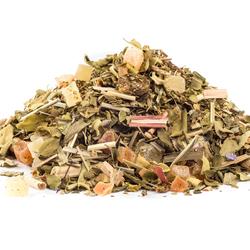
Golden Moringa Natural – Herbal Infusion
Darjeeling Margarets Hope TGFOP Second Flush – Black Tea
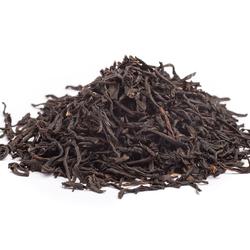
Assam TGFOP1 Sonipur – Organic Black Tea
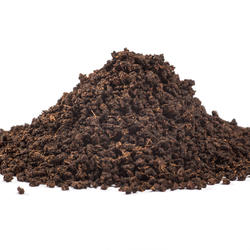
Assam Second Flush BOP Corramore - Black Tea
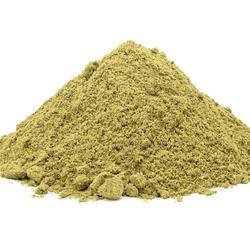
Moringa – Organic Powder
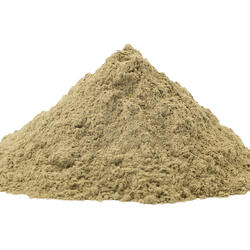
Brahmi – Powder
Indian tea
India and tea belong together like a cup and saucer. Their history is firmly linked back to the 12th century. A record describing the use of the leaves of the Assam tea tree as a vegetable and for making the beverage was at that time made by a Dutch traveller. Seven hundred years later, tea cultivation in India took on a completely different direction. It was given a new dimension by the establishment of the first plantations belonging to the British colonisers. Even though the domination of the empire of Queen Victoria, who had herself declared Empress of India in 1876, was not exactly a welcome state of affairs for many of the inhabitants, tea gardens are among the consequences that have benefited the country.
Officially called the Republic of India, it is now the second-largest producer of tea in the world. It is reported to "produce" about 900 million kilograms of tea annually. The largest amount of tea goes to the Russian Federation, the UK and Iran. Intriguingly, India is also one of the world's largest consumers of black tea. It has around 600 thousand hectares of land used for tea production, which employs more than 3.5 million people. Most of them are women.
The form in which tea is consumed by Indians is certainly worth mentioning. Granulated black tea, made by crushing tea leaves and heating them vigorously, is the most commonly available. After pouring hot water over it, it is flavoured with milk, sugar, spices and herbs.
Now you know quite a lot about India. To give you an idea, we will add another fact - South Asian country is considered one of the possible superpowers. After China, its economy is showing the most progressive growth. India offers a stunning natural landscape, with the three great rivers Indus, Ganges and Brahmaputra flowing through it and the mountain ranges of the Himalayas and Karakoram adorning it. Its varied culture, many religions and strong family ties will charm any tourist.
But back to tea - there are many areas in India where it is grown. The top-quality tea grows in Darjeeling, Assam and Nilgiri. In Darjeeling, plantations were established at altitudes of 1000-2500 metres. The combination of cool climate, regular rainfall, sharp sunlight and frequent winds gives the tea a fresh, delicately herbal taste. Assam, on the other hand, has a lower altitude and stable weather. The tea production reflects a distinct flavour with a slight sweetness and often a honey aroma. In Nilgiri, tea trees grow at an altitude of 600-2750 metres. The tea tastes slightly spicy and sweet. It is often used in sachet blends and flavoured tea.
