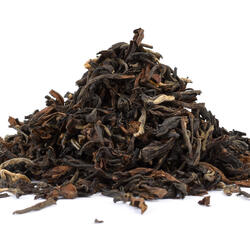
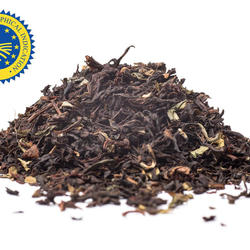
Darjeeling Margarets Hope TGFOP Second Flush – Black Tea


You'll reach for Margaret's Hope pretty fast. Darjeeling from this unique garden does not come to market in large quantities – quite the opposite. Margaret's Hope is a famous tea garden located 32km from Darjeeling.
Shipping methods
| Nizozemská pošta HD - zásilkovna | Delivered by 15. 10. | 1,00 € |
|---|---|---|
 DHL DHL |
Delivered by 15. 10. | 4,90 € |


Ingredients
100 % Black tea MUSCATEL DARJEELINGBrew & Taste
To describe the taste of this tea is a task worthy of a poet. But let's give it a go – you'll recognize Darjeeling by its tiny, gently curled leaves. While opening the package you might smell dark chocolate and rum. Either way, it has a full and warm scent. Those who try it will experience a dense, sweet flavor with notes of fruit and precious wood. It is accompanied by a wonderful muscatel aftertaste. Its infusion has a deep reddish-brown color.
Origins
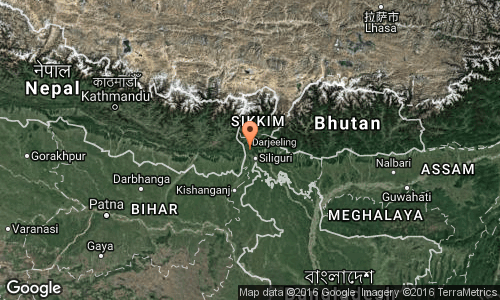
Darjeeling from Margarets Hope's garden is in demand by enthusiasts from all over the world. It lies in the Kurseong region, which looks like a fairyland with a railway surrounded with lots of greenery. The tea there receives exceptional care. That's why it is so unique. There's a story attached to it that we simply must mention to you. The garden was once called Bara Ringtong. In the early 20th century, its manager, Mr. Bagdon, decided to show the beauty of Darjeeling to his young daughter Margaret. They boarded a ship from England and set sail on a long voyage. They were both looking forward to the green hills and tea gardens. Unfortunately, Margaret did not live to see her dream come true. She died before she could see the beauty of it. In her honor, the name of the tea garden was changed to Margaret's Hope.
The area in which the garden is located is also worth mentioning. Kurseong was part of the Kingdom of Sikkim in ancient history, before the arrival of the British. As it is situated in the hills, it has a cool and dry climate. In 1835, the colonialists declared it an ideal place for the recovery of wounded soldiers and built a sanatorium for military and civilian officers and their families. Kurseong is surrounded by endless tea gardens. It also has religious monuments, museums and a beautiful railway.
Tea from this famous place is produced using traditional techniques. The leaves of the tea trees must be plucked in the first few days of March. As the bushes grow on steep hillsides, it is not an easy job. At the processing farms, the green leaves are left to wilt and ferment. Depending on the length and temperature, the final taste, aroma and color of the tea are determined. After a controlled fermentation, the tea is hot air-dried, sorted out and packed.
Benefits of ingredients:
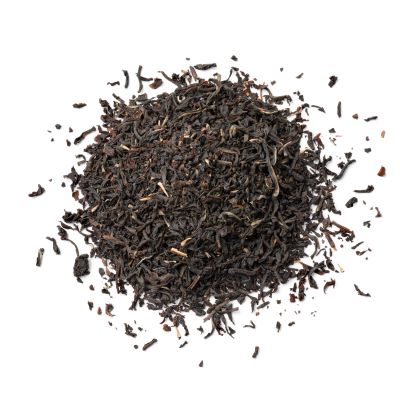

Tea packaging preview
We pack our teas in a strong, zip-lock aluminum packet which allows you to easily re-seal its contents. This container protects the quality of the tea against humidity, light or foreign odors, all of which could noticeably affect the quality of the brew.
Preparation
 100 °C
|
 3-5 minutes
|
 1 teaspoon for 150-200 ml
|
Instructions for preparation
Pour 150-200ml of boiled water (100°C) per 1 teaspoon of tea.
When brewing in a teapot add 1 extra teaspoon.
Covered, let steep for 3-5 minutes, then remove the strainer.


Are you looking for inspiration? Other customers have bought this:
Darjeeling TGFOP1 Gielle – Black Tea
Darjeeling TGFOP1 Silverhill – Black Tea