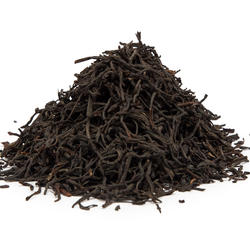
Assam TGFOP1 Second Flush Monipur – Black Tea


We rate this Assam five stars across all categories! The locals drink it very strong and sweet with milk or cardamom and other spices around the Himalayan mountains. They pour it into small cups and serve it with sweet pastries. In India, drinking tea is the main event of the day, a moment for conversation and deal-making. Get some new inspiration!
Shipping methods
| Nizozemská pošta HD - zásilkovna | Delivered by 15. 10. | 1,00 € |
|---|---|---|
 DHL DHL |
Delivered by 15. 10. | 4,90 € |


Ingredients
100 % Black tea Assam TGFOP1 Second flush MonipurBrew & Taste
The great Assam TGFOP1 Second Flush "MONIPUR" is characterized by its dark leaves and coppery infusion. It has a balanced, full-bodied and strong flavor. There is, of course, the usual bitterness. The aroma is natural and full-bodied. The leaves can be used to make three delicious infusions which vary in flavor intensity and stimulating or refreshing effects.
Origins

We bring this black tea to you fresh from Assam, India. It's named after the state of Monipur (Manipur) in northeast India, famous for its many beautiful lakes and clash of cultures and religions. The plantations of Monipur lie wedged between the hills – this part of India generally has a very favorable climate. Temperatures reach a maximum of 32°C in the summer and drop slightly below zero in the winter. It rains from May to mid-October, alternating torrential downpours with light drizzle. The rainfall, temperature and rich soils create perfect conditions for growing Chinese Assamica tea trees. Other plants such as bamboo, reeds, oaks, teak, coffee, orange trees, cardamom and rice can also be found in Monipur.
The name of the tea – Assam TGFOP1 Second Flush "MONIPUR" can already inform you about the quality and order of the harvest. TGFOP (Tippy Golden Flowery Orange Pekoe) indicates that it is a prized variety with a high shoot content. The number 1 indicates the quality, and the Second Flush says that the tea comes from the second harvest. The tea leaves are plucked into large baskets and transported to processing farms. There they are left to wilt. They are rolled in a special roller, which breaks down the cellular structures and releases the juice. This is a prerequisite for the next step – fermentation. It is the oxidation of the enzymes, which takes place in warm, humid conditions. That is what turns the green leaves into black, aromatic, and strong tea. Like fermentation, drying is strictly controlled. The quality and price of the tea on the market are determined by its successful production.
Benefits of ingredients:
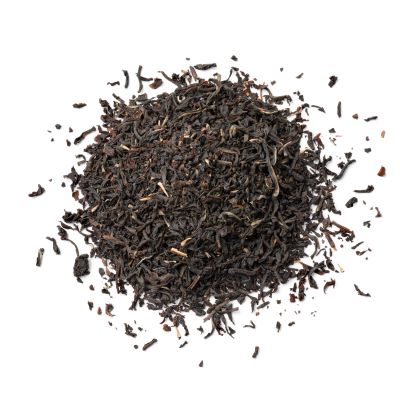

Tea packaging preview
We pack our teas in a strong, zip-lock aluminum packet which allows you to easily re-seal its contents. This container protects the quality of the tea against humidity, light or foreign odors, all of which could noticeably affect the quality of the brew.
Preparation
 100 °C
|
 3-5 minutes
|
 1 teaspoon for 150-200 ml
|
Instructions for preparation
Pour 150-200ml of boiling water (100°C) per 1 teaspoon of tea.
When brewing in a teapot add 1 extra teaspoon.
Covered, let steep for 3-5 minutes, then remove the strainer.


Are you looking for inspiration? Other customers have bought this:
Assam Hatimara CTC BOP – Black Tea
Assam TGFOP1 Margerita – Black Tea