


Why our products?
- Free shipping on orders over 49 €
- Satisfied customers
- Delivery date is specified within the product description
Raspberry tea


You will not find raspberries as such in nature. The plant from which we harvest the vivid and juicy raspberries is in botanical terminology called the red raspberry. The up to two-metre-tall deciduous shrub is native to Europe, Asia and Japan. It drops its leaves in autumn, but before that, it… view all
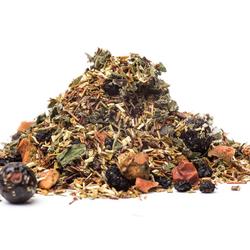
Forest Witch – Green Honeybush
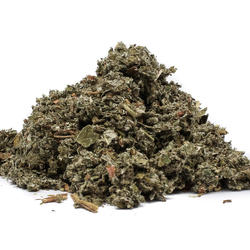
Raspberry Leaves (Folium Rubi Idaei) – Herb
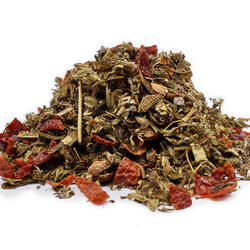
Moringa Detox – Herbal Tea
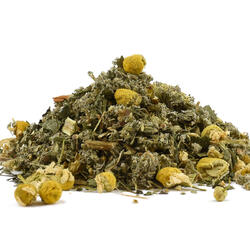
Menstrual Relief – Herbal Infusion
Raspberry tea
You will not find raspberries as such in nature. The plant from which we harvest the vivid and juicy raspberries is in botanical terminology called the red raspberry. The up to two-metre-tall deciduous shrub is native to Europe, Asia and Japan. It drops its leaves in autumn, but before that, it presents forest fruit lovers with a bounty of tiny drupes. Of course, we mean that anyone who wants to feast on fragrant raspberries can do so in July and August.
The most popular part of the plant is the fruit. Thanks to their high content of antioxidants, vitamins C, E, B1, B3, B12, and A and minerals, they are great for treating fever or inflammation and boosting immunity. Folk medicine recommends raspberries to promote erection and male fertility. They are processed into infusions, decoctions or jams and are often in frozen form.
The leaves of the red raspberry are especially recommended for consuming pure vitamin C, stomach and bowel problems, to suppress heavy menstruation and to ease childbirth. The leaves can be dried, made into an infusion or brewed into a decoction.
