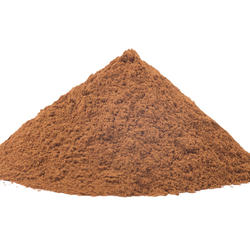
Turmeric – Organic Powder


It is recommended by Ayurveda, Chinese medicine, or Siddha. We also recommend it. Organic turmeric will win over anyone who wants to spice up their diet with a good portion of vitamins, minerals and flavonoids. The most important one is called curcumin and is popular among healthy lifestyle enthusiasts for its ability to help relieve many ailments.
Shipping methods
| Nizozemská pošta HD - zásilkovna | Delivered by 16. 10. | 1,00 € |
|---|---|---|
 DHL DHL |
Delivered by 16. 10. | 4,90 € |


Ingredients
100 % Turmeric BIOBrew & Taste
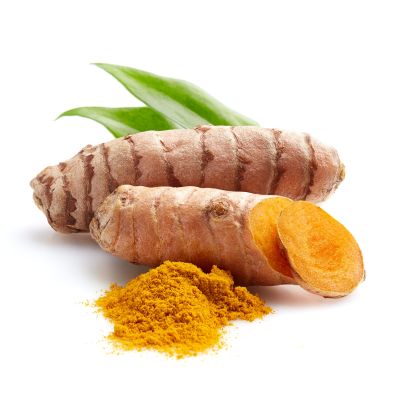
Organic turmeric has a rich yellow-orange color and tastes peppery. It is spicy, bitter and earthy. It may resemble mustard or curry spices, to which it is added.
Origins
You may know it as Indian saffron, or you may have known that it is one of the components of curry. At any rate, turmeric is a spice very popular in Asian countries. Not only as a seasoning, but also as a fabric dye or an indicator of alkaline solutions.
Turmeric is the rootstalk of the perennial herb called Curcuma longa. Botanists place it in the same group as, for example, ginger. It is an inconspicuous plant, about 1m tall, with alternate, large leaves. It reproduces by long, articulated rhizomes.
Curcuma is native to India, and is also grown in China, Sri Lanka, Indonesia and Peru. It requires temperatures between 20-30⁰C as well as frequent rainfall.
The use of turmeric is widespread worldwide. The powder from the dried rhizomes contains approximately 60-70% carbohydrates, 6-8% protein, 5-10% fat, 3-7% minerals, equal amounts of essential oils, and 1-6% curcumoids. It is because of these that traditional healing practices such as Ayurveda and Siddha recommend regular use of turmeric.
Traditional recipes recommend combining turmeric with pepper and olive oil – this will increase the ability to absorb curcumin. Some sources report an increase in absorption of up to 2000%. Such a mixture can be used to flavor a variety of dishes like soups, sauces, or salads.
The spicy seasoning is used in sweet and savory dishes, food preservation, baked goods, ice cream, juices, cookies, popcorn, and sauces. Although it is typically found in kitchens as a powder, it is not uncommon to use the fresh rootstalk.
In addition, one may encounter turmeric in fabric dyeing or during Hindu wedding ceremonies. It is also worth mentioning its use for chemical analysis, the so-called turmeric paper indicates the acidity or alkalinity of a solution when dipped into it.
Try turmeric as a hot drink or make the so-called golden milk. This is made from a paste (in a small saucepan, simmer ¼ cup turmeric, ½ teaspoon peppercorns and ½ cup water until thickened) that you stir into 1 cup boiling milk, 1 teaspoon coconut oil, ¼ teaspoon turmeric paste and flavor with honey.
Benefits of ingredients:

Herb packaging preview
We pack our herbs in a strong, zip-lock aluminum packet which allows you to easily re-seal its contents. Thanks to the hermetic seal, the herbs are protected against humidity, light and foreign odors, all of which could noticeably affect the quality of the brew and the herb itself.
Instructions for preparation
Boil briefly in water or milk with black pepper and a few drops of oil such as coconut, or olive oil.
The recommended daily dose is 1g of powder.


Are you looking for inspiration? Other customers have bought this:
Orange Rooibos