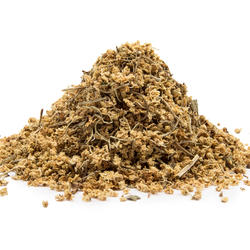
Fennel (Foeniculum Vulgare) – Herb


Fennel has a multitude of uses, whether as a seasoning or a tea ingredient. What's more, it's popular with nursing mothers, since it supports the production of breastmilk. It helps the normal function of respiratory system and gastrointestinal tract as well as menopausal comfort.
Shipping methods
| Nizozemská pošta HD - zásilkovna | Delivered by 12. 10. | 1,00 € |
|---|---|---|
 DHL DHL |
Delivered by 12. 10. | 4,90 € |


Ingredients
100 % FennelBrew & Taste
Fennel is pleasantly sweet, slightly peppery. Its infusion is almost colorless with an herbal scent. It tastes delicious, lacking any astringent or bitter traces.
Origins
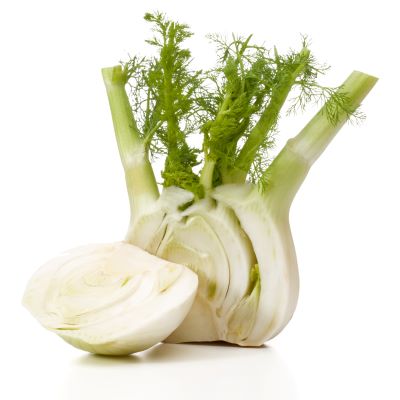
Fennel is one of those herbs that people have been using for thousands of years – not only as a spice, but also as a medicinal herb. Botanically, it's known as Foeniculum vulgare: an aromatic plant in the Apiaceae family. It grows up to two meters tall and, at first glance, resembles dill plants. It has finely divided, thread-like leaves and a hollow stem. In the summer, the top of the plant blooms with characteristic yellow umbel-like flower clusters. After flowering, these develop into small, elongated fruits. These are light green to brownish achenes, which we know as fennel seeds. It is these seeds that are the most commonly used part of the herb.
Fennel is native to the Mediterranean and the Near East, from where it gradually spread throughout Europe and other parts of the world. It thrives primarily in sunny locations with fertile, moderately moist soil. Nowadays it's cultivated both in commercial fields and gardens, and it may also grow wild in a number of regions.
The plant is distinguished by its intensely aromatic scent and sweet, spicy flavor, which is reminiscent of anise. It owes these characteristics primarily to its high essential oil content. Fennel is therefore used not only in gastronomy and herbal medicine, but also in pharmaceuticals and cosmetics.
Fennel fruits contain a wide range of biologically active compounds, such as:
- essential oils (particularly anethole, fenchone, and estragole),
- flavonoids,
- phenolic acids,
- fatty acids,
- vitamins (such as vitamin C),
- minerals (potassium, calcium, magnesium).
Benefits of ingredients:

Herb packaging preview
We pack our herbs in a strong, zip-lock aluminum packet which allows you to easily re-seal its contents. Thanks to the hermetic seal, the herbs are protected against humidity, light and foreign odors, all of which could noticeably affect the quality of the brew and the herb itself.
Preparation
 100 °C
|
 10-15 minutes
|
 2 teaspoons for 150-200 ml
|
Instructions for preparation
Pour 150-200ml of boiled water (100°C) per 2 teaspoons of herbs.
When brewing in a teapot add 1 extra teaspoon.
Covered, let steep for 10-15 minutes, then remove the strainer.


Most popular accessories for this product
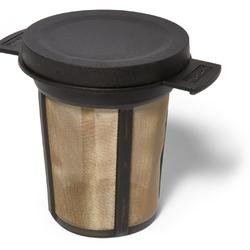
Tea Infuser – Medium
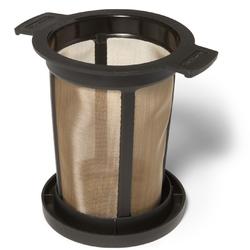
Tea Infuser – Large
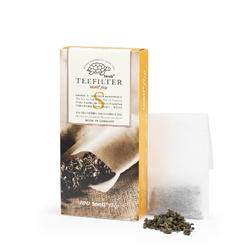
Paper Filter – Small, 100pcs
Are you looking for inspiration? Other customers have bought this:
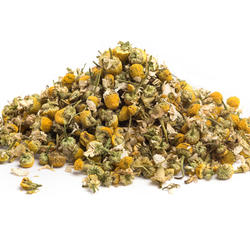
Chamomile Blooms (Matricaria Chamomilla) – Herb
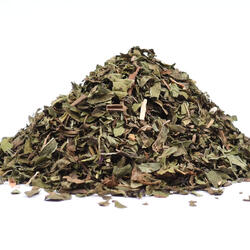
Peppermint (Mentha Piperita) – Herb