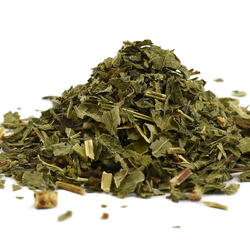
Chamomile Blooms (Matricaria Chamomilla) – Herb


This herb can be found in almost every spot of green and hides great power. It's known been known in folk healing for centuries, but it's also prominent in the pharmaceutical industry. The fragrant flowers of chamomile have been as a tea, in baths, poultices, tinctures and in ointments. The scent of chamomile is particularly familiar to mothers of small children.
Shipping methods
| Nizozemská pošta HD - zásilkovna | Delivered by 12. 10. | 1,00 € |
|---|---|---|
 DHL DHL |
Delivered by 12. 10. | 4,90 € |


Ingredients
100 % ChamomileBrew & Taste
How chamomile tastes is not easy to describe. It is simply chamomile. It has slightly noticable bitterness, but on the other hand it is deliciously aromatic. The infusion is pale yellow-green in color and has a distinctive herbal aroma.
Origins
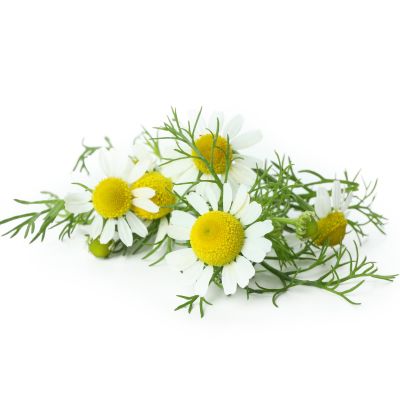
You can find chamomile (Matricaria chamomilla) all over Europe, but also in Asia, Australia and North America. It's basically certain you've seen it before. The yellow-white annual herb grows in roadside ditches, in infertile soils, at the edge of meadows or even in urban backyards.
If chamomile needs any introduction at all, it is one of the most important herbs used by the ancient Egyptians. It is said to have reminded them of the sun. Chamomile was also recommended by the Greek physician Dioscorides and appears in Indian Ayurveda and in old English encyclopaedias. Chamomile is recognized by its white leaves and yellow bud. It usually grows to 20-50cm, its stem is tall and richly branched. If you want to be sure that it really is a true chamomile, just tear the flower in half between your fingers. If it's hollow, it is a true chamomile. Otherwise, it is not chamomile, but a flower similar in appearance.
Chamomile flowers are picked from May to September, on dry days, before they begin to shrivel. The stems should be no longer than 2cm. Drying takes place in the shade, the temperature must not exceed 40⁰C. It is not recommended to turn it during drying, as it is very fragile.
Store it in a dry, dark place.
Benefits of ingredients:

Herb packaging preview
We pack our herbs in a strong, zip-lock aluminum packet which allows you to easily re-seal its contents. Thanks to the hermetic seal, the herbs are protected against humidity, light and foreign odors, all of which could noticeably affect the quality of the brew and the herb itself.
Preparation
 100 °C
|
 15 minutes
|
 1 teaspoon for 250 ml
|
Instructions for preparation
Pour 250ml of boiled water (100°C) per 1 teaspoon of tea.
When brewing in a teapot add 1-2 extra teaspoons.
Covered, let steep for 15 minutes, then remove the strainer.
Recommended daily dosage is 3 cups per day. Ideally, serve after meals.


Are you looking for inspiration? Other customers have bought this:
Linden Blooms & Leaves – Herb
Rosehip Husks