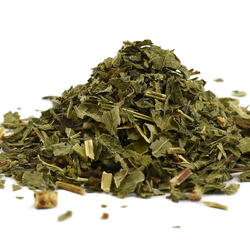
Peppermint (Mentha Piperita) – Herb


50% menthol, 10% menthone, then some tannins, flavonoids and more beneficial nutrients. Peppermint is not short on aromatics and it can do things that are almost unheard of. It can relieve bloating, support digestion, calm the internal organs and cool the body. You can add it to dishes, sip mint tea or bathe in a mint decoction. We recommend trying it all!
Shipping methods
| Nizozemská pošta HD - zásilkovna | Delivered by 12. 10. | 1,00 € |
|---|---|---|
 DHL DHL |
Delivered by 12. 10. | 4,90 € |


Ingredients
100 % Mint leavesBrew & Taste
Mint produces a pale yellow infusion that smells and tastes like menthol or peppermint.
Origins
Peppermint (Mentha piperita) leaves are harvested throughout the summer. The perennial herb is probably native to Western Europe.
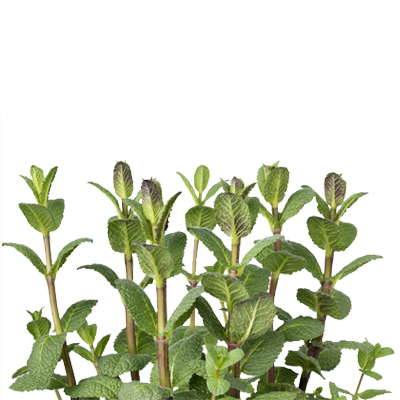
Mint plants reach 50-80cm, the stems are straight, quadrangular, hairy and the leaves are ovate. Peppermint blooms from July to October with light purple flowers.
Mint is cut just before flowering, even twice a year, preferably around midday when it contains maximum essential oils. It is dried carefully, in the shade, at temperatures not exceeding 35⁰C. The dried herb should be kept in a dark, dry place.
There are many legends and myths surrounding mint and its use. It's found in wedding rituals, in homes where it is supposed to summon love, and in pantries where it drives away mice. Europeans quite literally can't avoid it – mint is found in toothpaste, chewing gum, mouthwash, massage gels and sweets. It is used in beverages and in the curing of meats as well as processing of vegetables.
Benefits of ingredients:

Herb packaging preview
We pack our herbs in a strong, zip-lock aluminum packet which allows you to easily re-seal its contents. Thanks to the hermetic seal, the herbs are protected against humidity, light and foreign odors, all of which could noticeably affect the quality of the brew and the herb itself.
Preparation
 100 °C
|
 8-10 minutes
|
 1 to 2 teaspoons for 150-200 ml
|
Instructions for preparation
Pour 200ml of boiled water (90°C) per 1-2 teaspoons of tea.
Covered, let steep for 8-10 minutes.
Serve multiple times a day.


Are you looking for inspiration? Other customers have bought this:
Spearmint (Mentha Spicata) – Herb
Chamomile Blooms (Matricaria Chamomilla) – Herb