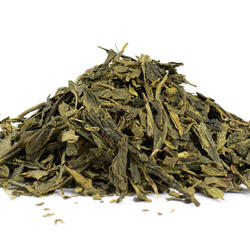
Assam TGFOP – Black Tea


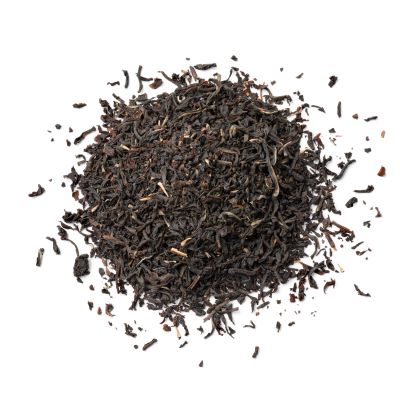
We know Assam, but what's TGFOP? If you're an experienced tea lover, you should know this mysterious acronym indicates the excellent quality and extraordinary taste of the tea. Tippy Golden Flowery Orange Pekoe has a high proportion of fluffy tips and therefore falls into one of the most sought-after types. It's not rocket science. Just remember that our Assam is pleasantly aromatic and sweet.
Shipping methods
| Nizozemská pošta HD - zásilkovna | Delivered by 12. 10. | 1,00 € |
|---|---|---|
 DHL DHL |
Delivered by 12. 10. | 4,90 € |


Ingredients
100 % Black tea ASSAM TGFOPBrew & Taste
As soon as you open the bag with this tea, you will be enveloped in a beautifully sweet, kind of vanilla-chocolate aroma. Assam is a strong tea. The infusion is dark mahogany in color and tastes pleasantly astringent, sweet, a little milky and vanilla-like.
Black tea is suitable for iced teas. Garnish with a slice of lemon and you'll never want to refresh yourself with another drink again.
Origins

The name Assam is given to teas that originate from the Indian region of the same name. Assam is located in the northeastern part of the country, south of the eastern Himalayas. It includes the valleys of the Brahmaputra and Barak rivers and covers an area of about 78,000km2. After the Anglo-Burmese War of 1824-1826, Assam became a part of the British Indian Empire.
Chinese tea trees (Camellia sinensis) appeared in Assam around 1834. The British indicated that the soil around the rivers was very fertile and planted the first tea garden. After initial setbacks with Chinese hybrid varieties of tea plants, they switched to growing the local Assamica tea. During the late 19th century, the tea industry in Assam experienced a boom. In spite of this, the workers lived in very poor conditions, hence the situation later escalated into a major uprising.
An important geographical aspect of Assam is the interesting physiographic division into mountains, plains and plateaus. The climate is mild, with temperatures reaching 35-38°C in summer and 6-8°C in winter. Heavy monsoon downpours, morning chills and foggy nights are common.
Tea leaves are often harvested by hand, left to wilt and then spread out on large plates to ferment. The natural oxidation of enzymes at a constant temperature and precise humidity leads to the transformation of green tea into black. The next step is drying, after which the tea is sorted and packaged.
Benefits of ingredients:

Tea packaging preview
We pack our teas in a strong, zip-lock aluminum packet which allows you to easily re-seal its contents. This container protects the quality of the tea against humidity, light or foreign odors, all of which could noticeably affect the quality of the brew.
Preparation
 100 °C
|
 3-5 minutes
|
 1 teaspoon for 150-200 ml
|
Instructions for preparation
Pour 150-200ml of boiled water (100°C) per 1 teaspoon of tea.
When brewing in a teapot add 1 extra teaspoon.
Covered, let steep for 3-5 minutes, then remove the strainer.


Most popular accessories for this product
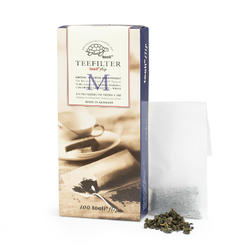
Paper Filter M for Cups & Teapots
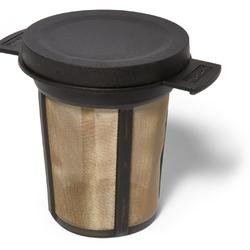
Tea Infuser – Medium
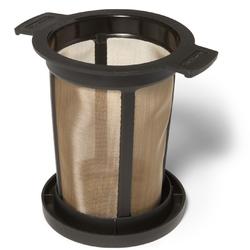
Tea Infuser – Large
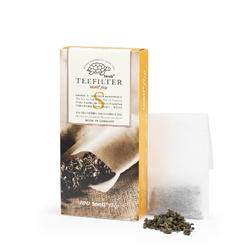
Paper Filter – Small, 100pcs
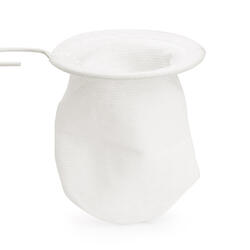
Cotton infuser M - 1 piece
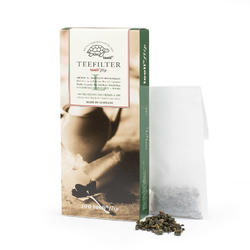
Paper Filter – Large, 100pcs

Tea Thermometer + Wooden Case
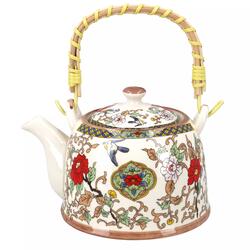
Oriental Teapot with Strainer – 900ml
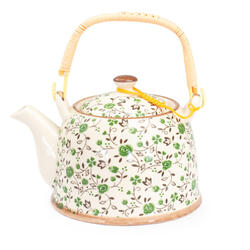
Floral Teapot with Strainer II – 900ml
Are you looking for inspiration? Other customers have bought this:
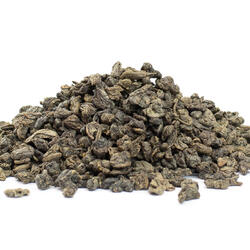
China Gunpowder Super – Green Tea
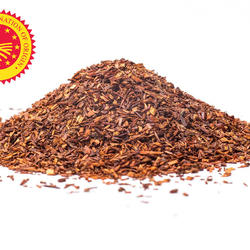
Rooibos