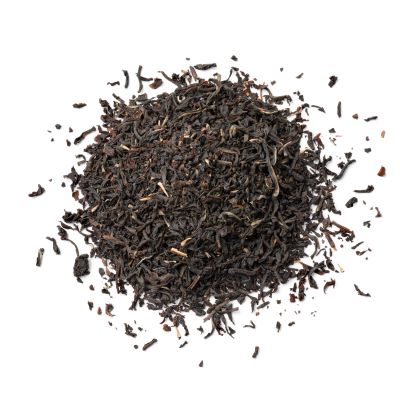
China Yunnan FOP – Black Tea


It 's no rocket science; if you need a pick-me-up, reach for black tea and steep for two or three minutes. For those seeking to soothe stomach irritation and ease digestion, steep for five. Either way, always go for high quality instead of supermarket slop. Black tea will reward this attention hundred-fold, if you prepare it correctly. The high antioxidant content will please both your senses and health.
Shipping methods
| Nizozemská pošta HD - zásilkovna | 1,00 € | |
|---|---|---|
 DHL DHL |
4,90 € |


Ingredients
100 % Black tea China Yunnan FOPBrew & Taste
This black tea gives a light red infusion full of flavor and delicate aroma. China Yunnan FOP is of high quality and you can taste a characteristic sweetness accompanied by a pleasant astringency. Its aroma is mild and natural. This tea is great as a breakfast tea, we recommend trying it with milk or cane sugar.
Origins

Although China has historically been primarily a green tea producer, it specialises in strong black teas since the mid-20th century. Quickly, the southwestern province of Yunnan, which lies on the border with Vietnam, has become a place renowned for its high-quality fermented teas.
China Yunnan FOP is, by name, a quality tea containing the shoot and the best first leaf. According to accepted terminology (FOP stands for Flowery Orange Pekoe), it is one of the higher standards of most plantations. It is produced in an area with a temperate climate – its taste and aroma are mostly influenced by the altitude of the plantation and rainfall. Chinese tea trees (Camellia sinensis) grow high in the mountains in Yunnan and are difficult to harvest. Lately, the tea leaves have been harvested by machine, but the traditional gardens still hold on to the traditional method of plucking the leaves manually. Local women go out to the plantations early in the morning, pluck the leaves and place them in large baskets. Then, the leaves are transported for processing, which involves spreading them out on grates where the leaves wilt, rolling them either manually or by machine, and fermentation – a simple, yet crucial chemical process in which the enzymes are oxidized at high humidity and a temperature of 28°C. This causes the tea leaves to change color, taste and aroma. This part of tea production is carefully monitored because it determines the quality and price of the final product. Drying in China is carried out either over a fire or in large pans. Here again, it is important to monitor and control the process. Overheated tea has an undesirable, even unpleasant aftertaste.
Benefits of ingredients:

Tea packaging preview
We pack our teas in a strong, zip-lock aluminum packet which allows you to easily re-seal its contents. This container protects the quality of the tea against humidity, light or foreign odors, all of which could noticeably affect the quality of the brew.
Preparation
 100 °C
|
 3-5 minutes
|
 1 teaspoon for 150-200 ml
|
Instructions for preparation
Pour 150-200ml of boiled water (100°C) per 1 teaspoon of tea.
When brewing in a teapot add 1 extra teaspoon.
Covered, let steep for 3-5 minutes, then remove the strainer.


Most popular accessories for this product
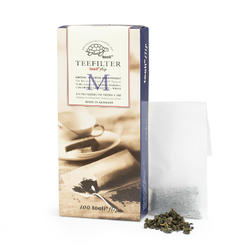
Paper Filter M for Cups & Teapots
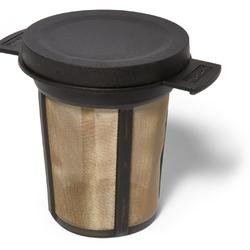
Tea Infuser – Medium
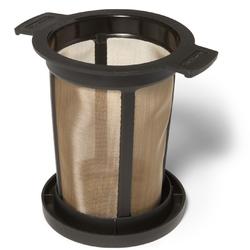
Tea Infuser – Large
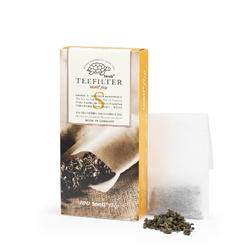
Paper Filter – Small, 100pcs
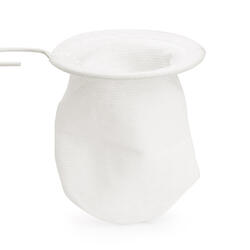
Cotton infuser M - 1 piece
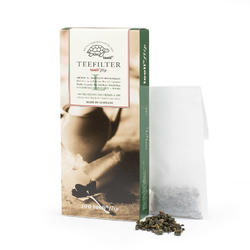
Paper Filter – Large, 100pcs

Tea Thermometer + Wooden Case
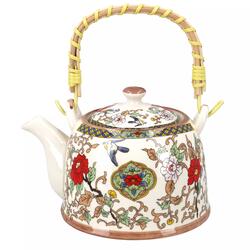
Oriental Teapot with Strainer – 900ml
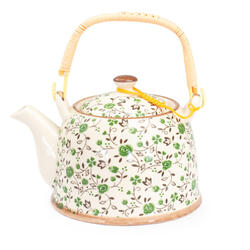
Floral Teapot with Strainer II – 900ml
Are you looking for inspiration? Other customers have bought this:
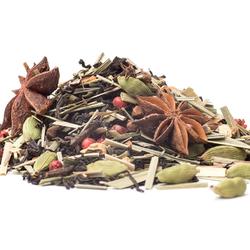
Masala Chai – Black Tea
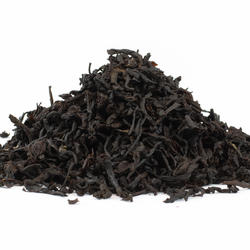
Earl Grey – Black Tea