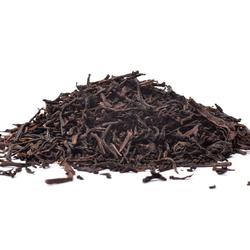
Darjeeling FTGFOP1 – Black Tea


We all long for uniqueness. We seek out specialities, and the one who knows their deal makes the biggest impression. With Indian Darjeeling, you might impress a sophisticated company. It is unique not only in its origin but also in its taste and aroma. It is produced only from tea trees growing in the high mountains, hand-harvested and trademarked.
Shipping methods
| Nizozemská pošta HD - zásilkovna | Delivered by 22. 10. | 1,00 € |
|---|---|---|
 DHL DHL |
Delivered by 22. 10. | 4,90 € |


Ingredients
100 % Black tea DARJEELING FTGFOP1Brew & Taste
Darjeeling may surprise you. One would expect a dark and strong infusion, but the water turns into a light yellow color and its aroma is pleasantly fresh, the flavor is sweet at first, then astringent, and finally, the finish comes in with fruit and flowers.
Origins

Darjeeling is a high mountain town on a 2000m ridge, overlooking the second largest mountain in the Himalayas, Kanchenjunga. The territory formerly belonged to the Sikkim but was acquired by the British East India Company in 1835. And it was the British who planted the first tea trees in the area in 1842. With the government's support, commercial production of excellent teas started a few years later.
The British built the Planters' Club in Darjeeling, brought in a narrow gauge railway and built a well-known town on the steep hillsides. Many tea shops can be found in every corner of Darjeeling. However, you will not find the highest quality tea there. Almost all of Darjeeling's best goes for export. Around 100,000 tonnes of this tea are sold on the international market every year. But production peaks at 10,000 tonnes. Where's the magic? It is the counterfeiters who pass off Sikkim teas or various blends as expensive and unique tea. A true Darjeeling is protected by a trademark, the misuse of which is, of course, punishable.
Second harvest Darjeeling is the most sought-after Darjeeling in the market. In May and June, the area is pleasantly warm during the day but cools down at night. More intense rainfall comes, which is replaced by a dry season. The growth of the tea trees, which was very rapid during the rains, slows down, and the aromatic flavors in the leaves appear. In particular, the so-called muscatel – the delicious flavor of gooseberry or blackcurrant – is in demand.
Processing is carried out by so-called enzyme oxidation. After harvest, the tea leaves are spread into thin layers and fermented at a strictly defined temperature and humidity. They are then dried, sorted out and packed.
Benefits of ingredients:
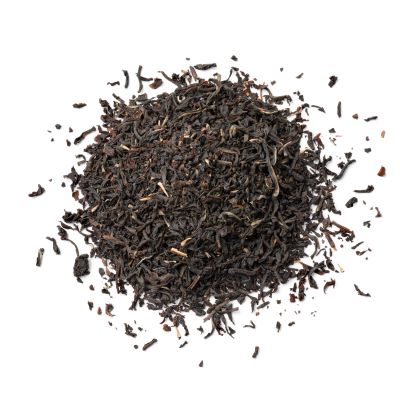

Tea packaging preview
We pack our teas in a strong, zip-lock aluminum packet which allows you to easily re-seal its contents. This container protects the quality of the tea against humidity, light or foreign odors, all of which could noticeably affect the quality of the brew.
Preparation
 100 °C
|
 3-5 minutes
|
 1 teaspoon for 150-200 ml
|
Instructions for preparation
Pour 150-200ml of boiled water (100°C) per 1 teaspoon of tea.
When brewing in a teapot add 1 extra teaspoon.
Covered, let steep for 3-5 minutes, then remove the strainer.


Are you looking for inspiration? Other customers have bought this:
Assam TGFOP1 – Black Tea
Darjeeling TGFOP1 Silverhill – Black Tea