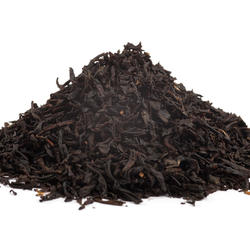
English Breakfast – Black Tea


England and "its" tea... In the British Isles and Ireland, taking a moment to enjoy your tea is a way of life. Blends of black tea are served depending on the time of day – the famous five'o'clock tea in the afternoon comes with a sandwich and tea cake. Early Morning just after waking up, and Breakfast Tea and scrambled eggs with ham, toast and beans for breakfast. Start your day the English way!
Shipping methods
| Nizozemská pošta HD - zásilkovna | Delivered by 22. 10. | 1,00 € |
|---|---|---|
 DHL DHL |
Delivered by 22. 10. | 4,90 € |


Ingredients
100 % Black teaInfusion and flavour of tea
The tea for a true English breakfast has a beautiful golden colour. Its aroma is naturally fruity and very pleasant. This blend of quality Ceylon teas has a strong taste, is pleasantly astringent, and has a stimulating effect. It combines sweet notes with reverberations of fruit. There's nothing better to start the day with.
The origin of the tea

Tea plantations have replaced cinnamon and coffee in Ceylon (Sri Lanka). Perhaps not completely, but today tea exports account for 2 % of the GDP of this beautiful island and contribute seven billion dollars a year to the economy. In the late 18th century, the country was famous for growing cinnamon, but it proved unprofitable, so local farmers switched to coffee. The demand was quite high. If it hadn't been for a fungal disease that destroyed most of the coffee trees, tea might never have appeared in Ceylon. In 1867 the first tea plantation was established in Loolecondera, and soon more appeared there. The popularity of tea increased, the traders were busy, and the state kept an eye on the quality of the exported leaves. Even to the extent of creating a law in 1934 which banned the export of poor-quality tea.
Sri Lankan tea is highly appreciated in the world market. The main areas where it is grown today are Kandy, Nuwara Eliya (in the Central Province), Badulla, Bandarawela and Haputave (in Uva Province), Matara and Mulkigara (in the Southern Province) and Ratnapura and Kegale (in Sabaragamuwa Province).
Tea plantations are mostly looked after by family farms. The harvesting of Chinese tea plants (Camellia sinensis) in Ceylon takes place from January to September. At the beginning of the calendar year, the tea harvesters go to the mountains in Dimbula. In February, tea is harvested on the southern coast, and by March in the Kandy and Nuwara Eliya areas. In June, the harvest begins in the Uva area and lasts until September. The harvesting of the tea leaves is entirely up to women and girls, who are not allowed to go to the plantations until they are 11 years old. Mechanisation is hardly used at all. Ceylon is one of the few countries where tea is still harvested mainly by hand. A single tea picker hands over 15-20 kilograms of tea a day. After the leaves are wilted, they are twisted and rolled to break their structure. They are prepared for fermentation, which takes place in warm and humid conditions. After the natural fermentation process, the resulting black tea is dried and sorted into packages.
Benefits of ingredients:
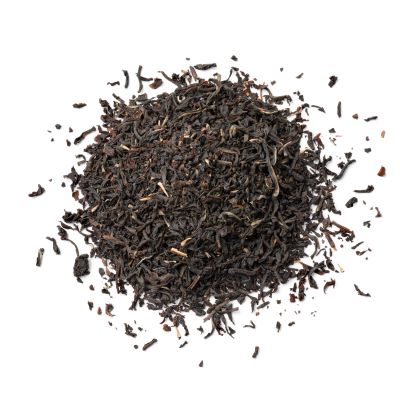

Tea packaging preview
We pack our teas in a strong, zip-lock aluminum packet which allows you to easily re-seal its contents. This container protects the quality of the tea against humidity, light or foreign odors, all of which could noticeably affect the quality of the brew.
Preparation
 100 °C
|
 3-5 minutes
|
 1 teaspoon for 150-200 ml
|
Instructions for preparation
Pour 150-200ml of boiled water (100°C) per 1 teaspoon of tea.
When brewing in a teapot add 1 extra teaspoon.
Covered, let steep for 3-5 minutes, then remove the strainer.


Are you looking for inspiration? Other customers have bought this:
Earl Grey – Black Tea
Ceylon OP – Black Tea