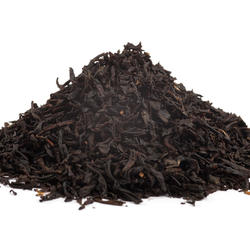
Darjeeling Earl Grey – Black Tea


The famous Earl Grey has many faces. This one is based on an Assam black tea. The bergamot flavoring creates a refreshing and very pleasant tea that's perfect to sip throughout the day. Its astringency will wake you up and the bergamot essential oil will refresh you. Some people drink it with milk, others with sugar and we love it with lemon. Choose for yourself how you like Earl Grey best.
Shipping methods
| Nizozemská pošta HD - zásilkovna | Delivered by 22. 10. | 1,00 € |
|---|---|---|
 DHL DHL |
Delivered by 22. 10. | 4,90 € |


Ingredients
99 % Black tea Darjeeling, 1 % BergamotBrew & Taste
Darjeeling Earl Grey tea is a dark orange color. At the core of the taste lies black tea, making it somewhat astringent. But that's not a bad thing. What's more, it's nicely complemented by the citrusy notes of bergamot. Together, they create a unique and extra fragrant tea.
Try brewing this flavored black tea as an iced tea. You'll appreciate its ability to refresh you in the summer.
Origins
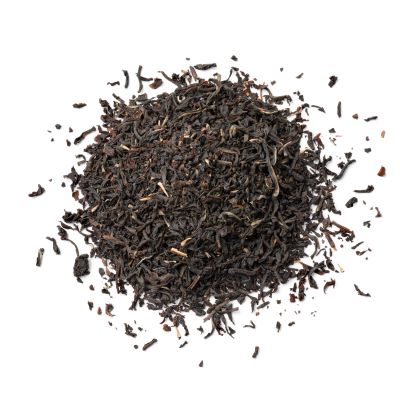
Darjeeling Earl Grey is built on the solid foundation of one of the world’s most renowned teas. The Darjeeling region, located at the foothills of the Himalayas in the Indian state of West Bengal, is rightly called the birthplace of the "champagne of teas". It is here, at altitudes of 1,800-2,000 meters, where tea leaves with an unmistakable character grow – delicate, slightly floral, yet refreshingly astringent. The combination of a mountain climate, frequent fog, intense sunlight, and regular rainfall creates conditions that cannot be easily replicated anywhere else in the world.
The variety of tea plant (Camellia sinensis) grown in Darjeeling is characterized by smaller, firmer, and often slightly curled leaves. These are harvested by hand to preserve their quality and structure. Harvesting takes place several times a year, and each harvest yields a different flavor profile. We can find teas with fresh spring notes as well as fuller, deeper autumn harvests. It is especially this variability that gives Darjeeling teas their renowned complexity.
Harvesting is followed by traditional processing: withering, rolling, oxidation (often milder in Darjeeling than in other black teas), and drying. The result is a tea that retains some of its natural lightness and elegance – an ideal base for flavoring.
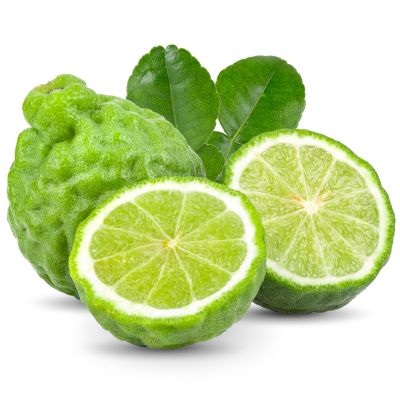
And this is where bergamot comes into play. The fruit of the Citrus bergamia tree comes mainly from the Mediterranean region, particularly southern Italy. The trees grow to several meters tall, have dark green leaves, and white, intensely fragrant flowers. The fruit itself resembles a lemon or a small orange, but its true value lies in the peel. Essential oil is extracted from the peel, giving Earl Grey tea its characteristic fresh and slightly bitter aroma.
The combination of a tea from the Indian mountains and citrus oil from the Mediterranean creates a beverage that transcends continental boundaries. And it rightfully ranks among the most iconic tea blends of all time.
Bergamot essential oil contains primarily:
- flavonoids (neoeriocitrin, naringin),
- essential oils (limonene, linalool, linalyl acetate),
- polyphenolic compounds,
- vitamin C.
Darjeeling black tea is a natural source of:
- catechins and other polyphenols,
- tannins,
- caffeine (theine),
- amino acids, particularly L-theanine.
Benefits of ingredients:

Tea packaging preview
We pack our teas in a strong, zip-lock aluminum packet which allows you to easily re-seal its contents. This container protects the quality of the tea against humidity, light or foreign odors, all of which could noticeably affect the quality of the brew.
Preparation
 100 °C
|
 3-5 minutes
|
 1 teaspoon for 150-200 ml
|
Instructions for preparation
- Pour 150-200ml of boiling water (100°C) per 1 teaspoon of tea.
- When brewing in a teapot add 1 extra teaspoon.
- Covered, let steep for 3-5 minutes, then remove the strainer.


Are you looking for inspiration? Other customers have bought this:
Earl Grey Divine Blossom – Black Tea
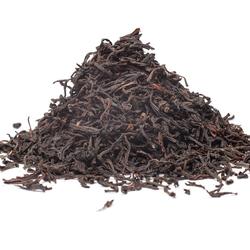
Ceylon OP – Black Tea