


Why our products?
- Free shipping on orders over 49 €
- Satisfied customers
- Delivery date is specified within the product description
Pure white tea


Pure white tea is the category with the very best to offer. It is said to be the most delicate, expensive and unavailable tea of all. The reality is that the finest varieties of white tea do not stay for long on the market. Speaking of all the "best", let us mention that Silver Needle is considered… view all
-
Cream (1)
-
Delicate (1)
-
Fine/ delicate (7)
-
Finely milky/ (jestli je myšlena čokoláda tak "fine milk chocolate") (1)
-
Floral (5)
-
Fresh (3)
-
Fruity (1)
-
Herbal tones (2)
-
Hint of sweetness/ sweetish (7)
-
Jasmine (1)
-
Natural (3)
-
Pleasant (2)
-
Slightly floral (1)
-
Smoked (1)
-
Sweet (3)
-
Tones of fruit/ fruity tones (1)
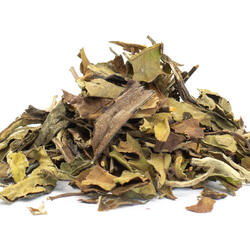
China Pai Mu Tan – White Tea
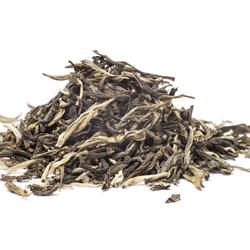
Guangxi White Feathers – White Tea
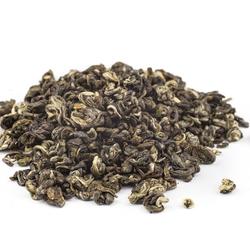
Silver Pearls – White Tea
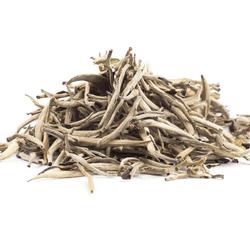
Silver Needle – White Tea
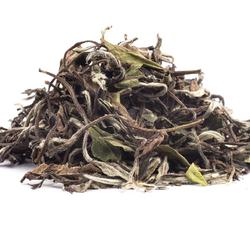
Fujian White Peony – White Tea
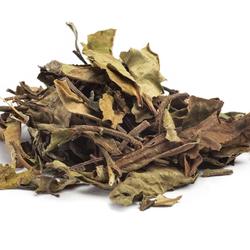
Bai Mu Tan – White Tea
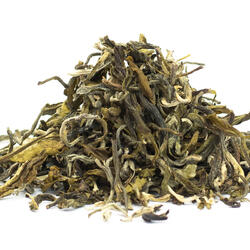
King Mao Feng – White Tea
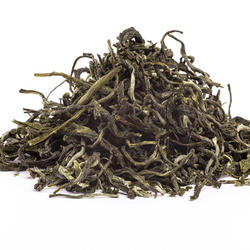
China OP – White Tea
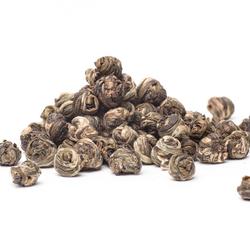
Long Zhu – White Tea
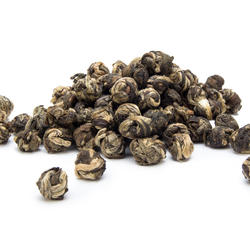
Long Zhu White Milk – White Tea
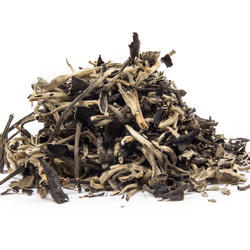
White Moon – White Tea
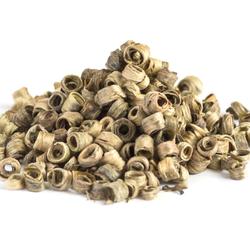
Big Jade Earring – White Tea
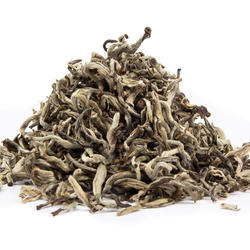
China White Butterfly – White Tea
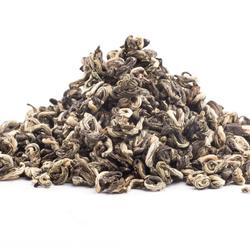
Silver Screw – White Tea
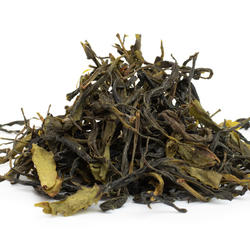
Georgian Gold Green Tea – Tea Blend
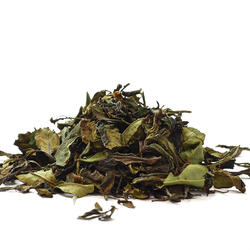
Georgian White Tea Tovli
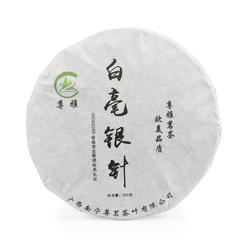
China Guangxi Jasmine Silver Needle Beeng Cha – White Tea, 200g
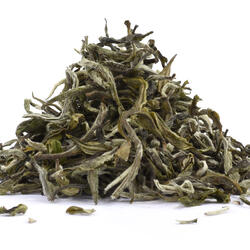
Nepal White Prakash – Organic White Tea
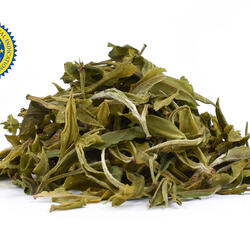
Darjeeling Arya Estate First Flush White Pearl 2026 – White Tea
Pure white tea
Pure white tea is the category with the very best to offer. It is said to be the most delicate, expensive and unavailable tea of all. The reality is that the finest varieties of white tea do not stay for long on the market.
Speaking of all the "best", let us mention that Silver Needle is considered the whitest, Bai Mu Tan the most popular and Big Jade Earring the most visually interesting.
Whichever you choose, you will not be disappointed. We pay the utmost attention to our selection of plantation teas. They all come from proven tea gardens whose owners pride themselves on traditional growing, harvesting and white tea production practices.
What does a tea plant look like
The topic of the production and flavours of hundreds of teas is covered in many resources. It is time to mention the Chinese tea plant itself. Without its lush green leaves, we would have nothing to drink or write about.
For a long time, there has been confusion about how to classify tea plants taxonomically. It was even claimed that green tea was made from a different shrub than black tea. It was not until the 19th century that the English botanist Robert Fortune discovered that both teas were made from the same species of shrub. The Chinese tea tree (Camellia sinensis) is an evergreen plant native to the monsoon forests of China, India, Burma, Thailand, Laos and Cambodia. In its natural habitat, it grows to the size of a tree.
Some tea trees have very small leaves (only a few millimetres), while others are as big as the palm of your hand. Even their colour is not the same in all varieties - shades range from lush green to very dark. The underside of the leaves is hairy, which is best seen in the undeveloped buds (tips). The tea tree flowers are white, and the fruit is a green berry. It exists in several varieties, referred to by the word jat. The Chinese variant is the most common, but Assamese, Cambodian, Burmese and other variants are also grown. Interestingly, the tea leaves themselves do not smell strongly.
However, they are excellent at absorbing ambient odours. That is why they are often grown among fruit trees or jasmine. It is also why it is strictly forbidden to smoke, eat spicy or aromatic food or use any perfume when harvesting and processing them.
