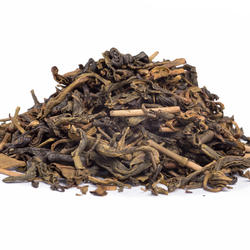
China OP – White Tea


Chinese white teas are said to have first appeared in the Song Dynasty. Thus, between 960 and 1127, Chinese people admired unfermented tea leaves for their exceptionally fresh aroma and delicious taste alongside the first paper money and gunpowder. Very soon, rules for drinking the precious tea were drawn up, with detailed descriptions of the harvesting, production and preparation of white teas. Not much has changed.
Shipping methods
| Nizozemská pošta HD - zásilkovna | 1,00 € | |
|---|---|---|
 DHL DHL |
4,90 € |


Ingredients
100 % White tea CHINA OPBrew & Taste
After covering with hot water, you get a light yellow, beautifully fragrant drink. China OP white tea tastes pleasantly fruity, with minimal astringency and a sweet aftertaste.
White teas taste good hot or cold, try them to make a refreshing iced te.
Origins

White tea is one of the Chinese specialties made from the youngest leaf buds. They give the infusion a fresh, delicate flavor and color. It is mostly produced in the Jianyang, Fuding, Songxi and Fujian provinces. These are hilly areas with a year-round mild climate and an average annual temperature of around 18°C.
Fujian is located on the southeast coast of China. It is traditionally described as a land that's "eight parts mountain, one part water and one part land". It is the most forested region in China, with forests covering nearly 65% of its area. Fujian's highest peak is Huanggang Peak, with an altitude of 2,157m.
The subtropical climate of Fujian suits the Chinese tea plants that the local farmers grow. Winters are mild and summers, during which the province is threatened by typhoons from the Pacific, are hot.
Not all tea leaves are suited for white tea. Only the young shoots and the first leaves that are adjacent to them are hand-harvested. Immediately after harvesting, the tea is slowly and very gently dried in a cool, ventilated room. The skilled hands of the workers spread it in thin layers on large plates. Drying takes several dozen hours. This is followed by drying in special furnaces. The white tea must be handled with the utmost care – if the leaves get damp or crumple during transport from the plantation, the natural oxidation of the enzymes will be triggered and the tea will be spoiled.
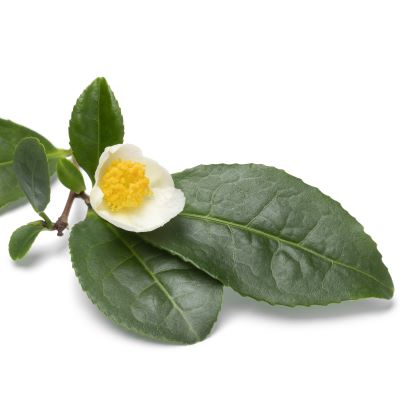
Benefits of ingredients:

Tea packaging preview
We pack our teas in a strong, zip-lock aluminum packet which allows you to easily re-seal its contents. This container protects the quality of the tea against humidity, light or foreign odors, all of which could noticeably affect the quality of the brew.
Preparation
 70-80 °C
|
 2-3 minutes
|
 1 teaspoon for 150-200 ml
|
Instructions for preparation
Pour 150-200ml of boiled water (70-80°C) per 1 teaspoon of tea.
When brewing in a teapot add 1 extra teaspoon.
Covered, let steep for 2-3 minutes, then remove the strainer.


Are you looking for inspiration? Other customers have bought this:
China Gunpowder – Green Tea
Pi Lo Chun – Green Tea