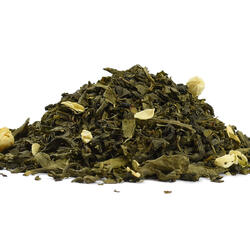
China Sencha – Green Tea


In the history of green tea, we find a milestone that marks the beginning of a long tradition of drinking it and the beginning of its great popularity. This is Kissa Yojoki, the Book of Tea, which in 1191 described the five vital organs that tea positively affects. See for yourself that the author of this comprehensive work, the Zen monk Eisai, didn't just write into the wind. Try authentic Chinese green tea. No dust, just whole leaves!
Shipping methods
| Nizozemská pošta HD - zásilkovna | 1,00 € | |
|---|---|---|
 DHL DHL |
4,90 € |


Ingredients
100 % Green tea China Green TeaBrew & Taste
Genuine green tea from China produces a light yellow-green infusion after brewing. It smells natural and slightly grassy. The taste has sweetish notes, medium astringency and a spicy aftertaste. Overall, China Sencha gives a fresh, pure impression.
Origins

In general, Chinese green teas are grown in the Fujian, Zhejiang, Yunnan, Wenshan or Yun Ming regions. In most cases, these are high-quality teas that are produced according to traditional practices and time-honored recipes.
We brought China Sencha from the Huang Shan region. It can literally be translated as "yellow mountain". It is located in the Anhui province in the east of China and is famous for its beautiful landscape. Tourists from all over the world admire its granite peaks, hot springs, pine trees and winter snow cover. But Huang Shan is also characterized by its tea gardens, which provide the local people with livelihood and the world with great green tea. This includes China Sencha, which is harvested from local Chinese tea trees (Camellia sinensis) but prepared according to a Japanese recipe. After harvesting, which is mostly done by women, the tea leaves are left to wilt. Then, somewhat uncharacteristically for Chinese green tea, they are repeatedly steamed to stop oxidation. This is because pan roasting is more commonly used in China, which gives the tea a slight smoky aroma. This is not the case with China Sencha – after steaming, the leaves are folded, dried and sorted. The resulting tea is more reminiscent of Japanese sencha in flavor and aroma, but a highly skilled tea master can recognize the subtle differences.
Benefits of ingredients:

Tea packaging preview
We pack our teas in a strong, zip-lock aluminum packet which allows you to easily re-seal its contents. This container protects the quality of the tea against humidity, light or foreign odors, all of which could noticeably affect the quality of the brew.
Preparation
 70-80 °C
|
 2-3 minutes
|
 1 teaspoon for 150-200 ml
|
Instructions for preparation
Pour 150-200ml of boiled water (70-80°C) per 1 teaspoon of tea.
When brewing in a teapot add 1 extra teaspoon.
Covered, let steep for 2-3 minutes, then remove the strainer.
This tea can be re-brewed up to 2 times.


Most popular accessories for this product
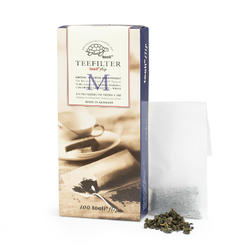
Paper Filter M for Cups & Teapots
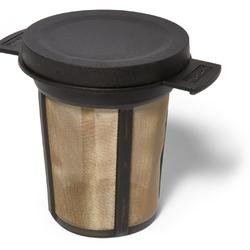
Tea Infuser – Medium
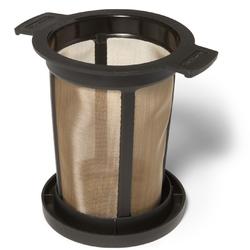
Tea Infuser – Large
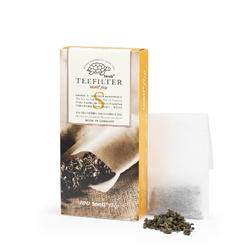
Paper Filter – Small, 100pcs
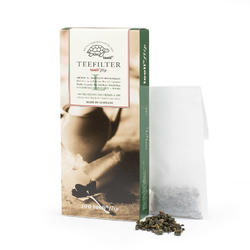
Paper Filter – Large, 100pcs
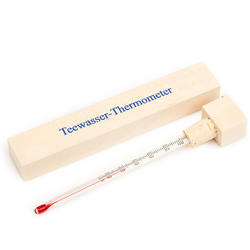
Tea Thermometer + Wooden Case
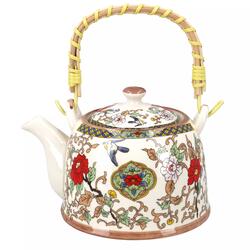
Oriental Teapot with Strainer – 900ml
Are you looking for inspiration? Other customers have bought this:
China Gunpowder – Green Tea
China Gunpowder Super – Green Tea