Why our products?
- Free shipping on orders over 49 €
- Satisfied customers
- Delivery date is specified within the product description
Green tea


Green tea has been known to our kind for more than 5 thousand years. It is considered to be the true tea. The largest producers of green tea are China, Japan and other countries in East and Southeast Asia. It is one of the most popular beverages there. It is made from the leaves of the Chinese tea… view all
From the tea blog
- Secrets to feminine harmony: Improve your life with nature
- Green Tea vs. Yerba Maté: Which is healthier?


-
Aichi (1)
-
Ban Lien (1)
-
China/Zhejiang (1)
-
Dongting Mountain (1)
-
Embu County (1)
-
Emei Mountain (1)
-
Estate Makaibarip (1)
-
Fujian (13)
-
Great Rift Valley (1)
-
Guangxi (3)
-
Guizhou (1)
-
Guria (3)
-
Henan (1)
-
Highland (1)
-
Huangshan (8)
-
Hubei (1)
-
Ilam (1)
-
Japan/Fujiyama (1)
-
Jeju (2)
-
Jiangxi (1)
-
Kagoshima (19)
-
Kirishima (2)
-
Kumamoto (1)
-
Kyoto (7)
-
Kyushu (1)
-
Masuda (1)
-
Miyazaki (4)
-
Nandi Hills (1)
-
Nilgiri (1)
-
Nishio (1)
-
Olengurone (1)
-
Panchthar (1)
-
Rukeri (1)
-
Sanxia (1)
-
Shi Men (1)
-
Shizuoka (1)
-
Sichuan (2)
-
Wenshan (2)
-
Yunnan (10)
-
Yunnan province (2)
-
Zhejiang (18)
-
Almonds (1)
-
Aloe Vera (1)
-
Apricot (2)
-
Aromatic (2)
-
Balanced (1)
-
Bergamot (1)
-
Berry-like / berry flavoured (1)
-
Bitter/ hint of bitterness (1)
-
Blackberry (1)
-
Blackthorn (1)
-
Blueberry (2)
-
Butter cookies (1)
-
Caramel (2)
-
Chamomile (1)
-
Cherry (1)
-
Chestnut (1)
-
Chocolate (4)
-
Cinnamon (4)
-
Citrus (2)
-
Citrusy (1)
-
Cream (2)
-
Creamy vanilla (2)
-
Currant (1)
-
Delicate (4)
-
Delicious (1)
-
Distinct (2)
-
Earthy (1)
-
Elegant (1)
-
Fine/ delicate (28)
-
Finely piquant (1)
-
Floral (17)
-
Fresh (1)
-
Fruit (3)
-
Fruity (8)
-
Full/ full-bodied (1)
-
Ginger (3)
-
Gingerbread (1)
-
Goji (1)
-
Grassy (5)
-
Harmonious (1)
-
Herbal tones (1)
-
Herby/ herb like/ a touch of herbs (4)
-
Hint of floral sweetness (1)
-
Hint of sourness (1)
-
Hint of sweetness/ sweetish (45)
-
Honey flavoured/ honey-like/ honey-sweet (2)
-
Jasmine (8)
-
Jasmine/ jasmine flavoured (1)
-
Lemon (5)
-
Light (3)
-
Light/slight (1)
-
Lightly bitter/ hint fo bitterness (1)
-
Lightly floral (2)
-
Lightly roasted (2)
-
Linden (1)
-
Lingonberry (3)
-
Mango (3)
-
Melodious (2)
-
Mildly spiced (1)
-
Mildly sweet (1)
-
Mint (3)
-
Natural (8)
-
Nut (1)
-
Nuts (1)
-
Nutty (3)
-
Orange (5)
-
Orchid (1)
-
Papaya (1)
-
Passion fruit (1)
-
Peach (2)
-
Pear (2)
-
Peppery (1)
-
Pineapple (3)
-
Piquant/spicy (3)
-
Pistachio (1)
-
Pleasant (1)
-
Raspberry (4)
-
Refreshing (1)
-
Roasted (1)
-
Roasted rice (1)
-
Slightly astringent (1)
-
Slightly floral (2)
-
Slightly grassy (3)
-
Slightly sour (1)
-
Slightly woody/ hint of woodiness (1)
-
Smoky (4)
-
Smooth (2)
-
Soft (2)
-
Sour cherry (3)
-
Spices (2)
-
Stone pine (1)
-
Strawberry (5)
-
Strong (2)
-
Sweet (19)
-
Sweet almonds (1)
-
Tones of fruit/ fruity tones (1)
-
Umami (24)
-
Vanilla (4)
-
rich (5)
-
Almonds (1)
-
Anise (1)
-
Apples (5)
-
Apricots (2)
-
Bergamot (1)
-
Black Elderberry - flower (1)
-
Black tea (1)
-
Blackberries (2)
-
Blackcurrant (1)
-
Blueberries (1)
-
Bramble leaves (1)
-
Chaga (1)
-
Chamomile (4)
-
Chrpa (1)
-
Cinnamon (3)
-
Clove (2)
-
Cordyceps sinensis (1)
-
Cornflower (4)
-
Cranberries (6)
-
Dandelion (1)
-
Egyptian Mint (3)
-
Ginger (6)
-
Goji (6)
-
Green tea (176)
-
Guarana (1)
-
Hawthorn (1)
-
Heather (1)
-
Hibiscus (2)
-
Jasmine (5)
-
Kiwi (1)
-
Kukicha (1)
-
Lavender (1)
-
Lemon balm (2)
-
Lemon peel (8)
-
Lemongrass (11)
-
Lime tree flower (1)
-
Liquorice (2)
-
Maca (4)
-
Mallow flower (3)
-
Mango (3)
-
Matcha (15)
-
Mint (1)
-
Moringa (3)
-
Nettle (3)
-
Oolong (2)
-
Orange (2)
-
Orange peel (2)
-
Papaya (5)
-
Peach (1)
-
Pear (2)
-
Pepper (1)
-
Pineapple (10)
-
Pink Pepper (3)
-
Pot Marigold (6)
-
Raisins (2)
-
Raspberries (5)
-
Redcurrant (3)
-
Reishi (1)
-
Rose Hip (3)
-
Rose hip petals (6)
-
Siberian ginseng (1)
-
Sour cherry (5)
-
Spirulina (1)
-
Strawberries (7)
-
Turmeric (1)
-
Vanilla (1)
-
White tea (5)
-
Yerba Mate (1)
-
Bancha (6)
-
Ceylon (1)
-
Chun Mee (1)
-
Darjeeling (1)
-
Fog tea (1)
-
Genmaicha (2)
-
Gu Zhang Mao Jian (1)
-
Gunpowder (8)
-
Gyokuro (6)
-
Jade Eyes green (2)
-
Jasmine Snow Buds (1)
-
Jing Xi Hu (1)
-
Joongjak (1)
-
Kamairicha (1)
-
Kukicha (4)
-
Long Zhu (2)
-
Lung Ching (4)
-
Mao Feng (4)
-
Matcha (34)
-
Mist and Cloud (2)
-
Nilgiri (1)
-
Ogasa (1)
-
Pi Lo Chun (4)
-
Sencha (26)
-
Shincha (3)
-
Tamaryokucha (1)
-
White Monkey (1)
-
Yin Xiang (1)
-
Yun Ming (1)
-
Yunnan (8)
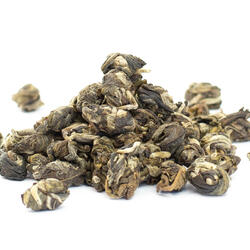
Jade Eyes – Green Tea
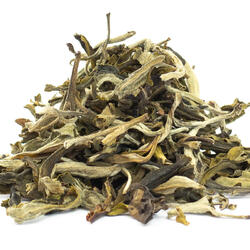
Fujian Fuding White Hair – Green Tea
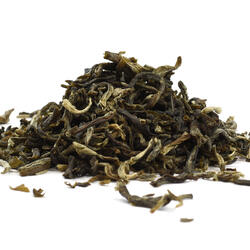
China Yunnan Lincang White Downy – Green Tea
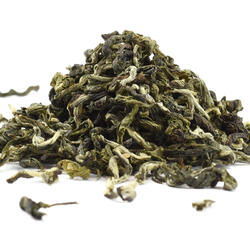
China Jade Lake – Green Tea
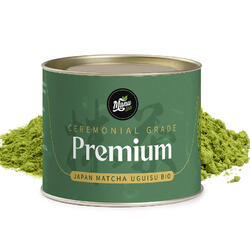
Organic Japan Premium Ceremonial Matcha – Gift Tin 40g
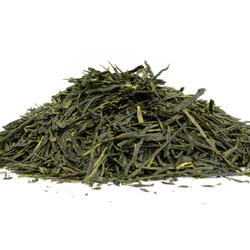
Japan Shincha Yabukita BIO - green tea
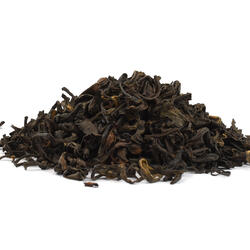
Kenya Purple Roasted Tea – Purple Tea
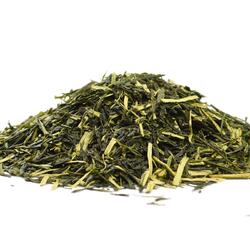
Japan Shincha Kukicha – Green Tea
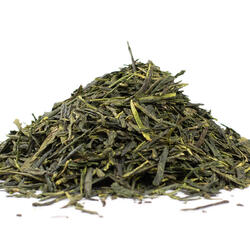
Japan Sencha Uchiyama – Organic Green Tea
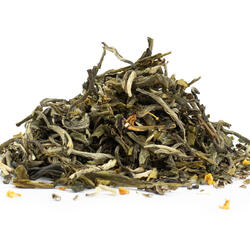
Osmanthus Mao Feng – Green Tea
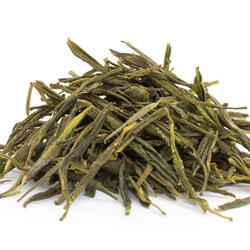
Tian Mu Qing Ding – Organic Green Tea
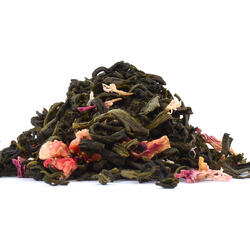
Rhubarb-Infused Strawberry – Green Tea
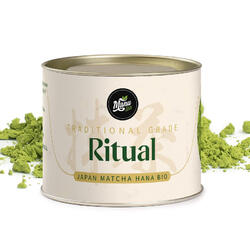
Organic Japan Traditional Tea Ritual Matcha – Gift Tin 40g
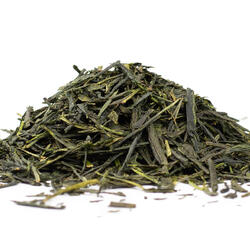
Japan Sencha Fukujyu – Green Tea
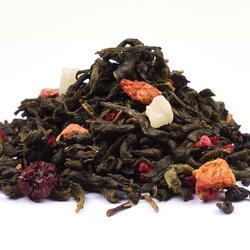
Raspberry Caress – Green Tea
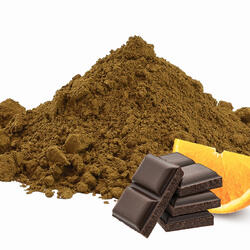
Hojicha Chocolate & Orange – Green Tea
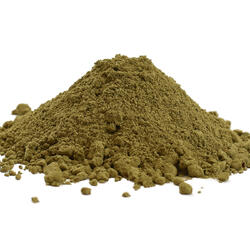
Imuno Tandem – Organic Matcha & Adaptogenic Mushrooms
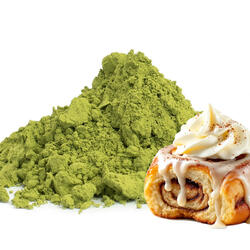
Cool Matcha Cinnamon Roll
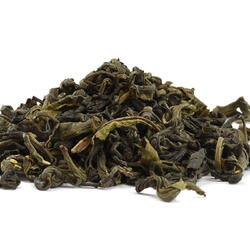
Kenya Premium Highland – Green Tea
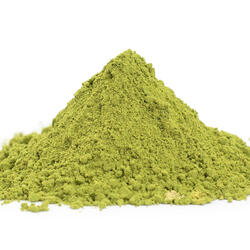
Zen Energy – Organic Herbal Infusion with Matcha
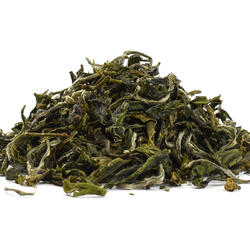
San Xia Pi Lo Chun – Green Tea
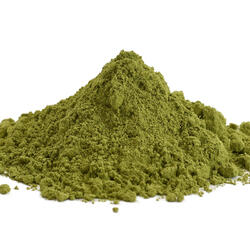
China Cooking Matcha – Green Tea
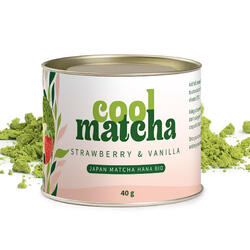
Cool Matcha Strawberry-Vanilla – Gift Tin 40g
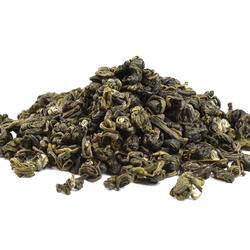
China Emerald – Organic Green Tea
Green tea
Green tea has been known to our kind for more than 5 thousand years. It is considered to be the true tea. The largest producers of green tea are China, Japan and other countries in East and Southeast Asia. It is one of the most popular beverages there.
It is made from the leaves of the Chinese tea tree in countless varieties and hybrids. Each plantation produces a specific tea depending on altitude, rainfall and sunshine. The unique aroma is enhanced by unique methods of production. The tea leaves are not fermented, and enzyme oxidation is prevented as soon as possible after harvesting. That is done either by heating pans or by steaming.
There are many rituals associated with the preparation of green tea, and for many nations, it has become part of their cultural traditions.
Green tea cleanses, strengthens and protects.
The history of green tea consumption is linked to the fascination with its health benefits. In 1191, the Buddhist monk Eisai summarised them in the Book of Tea. In it, we can learn, for example, that green tea has beneficial effects on the heart and brain and is excellent for relieving hangovers.
Drinking green tea has been recommended by traditional medicine for thousands of years. And because it has proven results, green tea has been and continues to be the main subject of many scientific studies.
The chemical composition is now fully understood - green tea contains mainly catechins, caffeine (theine) and the amino acid theanine. It also contains vitamins (B1, B2, niacin, C, E, P), minerals (calcium, zinc, phosphorus, manganese, copper, fluoride), pectin, chlorophyll, carbohydrates and saponins.
Invigoration
Usually, green tea is drunk for its ability to stimulate the nervous system, fight off fatigue, boost memory and improve concentration. Thanks to caffeine (usually about 20 mg per cup), green tea drinkers experience a burst of energy, an increase in performance (mental and physical) and a surge of good mood. Tea caffeine is bound to tannins and is released into the blood more slowly than coffee caffeine. Therefore, it has a longer potency and does not burden the cardiovascular system. The first infusion contains the most caffeine - 200-250 mg of caffeine is considered a safe daily dose.
How to prepare it?
In general, it is good to use approximately 2 teaspoons of loose tea (4-5 g) per cup (250 ml). However, the quantity always depends on the type of tea and the individual preferences of the tea drinker.
The method of preparing green tea is based on Chinese traditions. The Japanese ceremony was also built on their foundations, which were preserved in a precise ritual. Currently, the most widely used method of green tea preparation is Gong Fu Cha from southern China.
The most important thing to know is that green tea is not poured over boiling water, and the time it takes to loosen the leaves depends on the particular type of tea.
- The water should be spring water, about 80 °C hot. Too high a temperature destroys vitamins and antioxidants and can cause the drink to taste bitter.
- Fannings and Dust teas should be left to steep for 1-2 minutes, broken teas (BOP) for 3 minutes and whole leaf teas (FOP) for up to 5 minutes.
- Green tea can be infused repeatedly. It is advisable to increase the length of the brewing time with each subsequent watering.
The second infusion is usually the best when most of the aromatic components are released from the leaves. Properly prepared green tea has a rich flavour and pleasant aroma. The aroma often carries a floral or fruity note. In many cases, green tea is slightly astringent and refreshing, naturally sweet. The infusion may be very pale yellow to yellow-green in colour, except deep golden yellow.
Tea experts recommend drinking 1 litre of green tea a day.