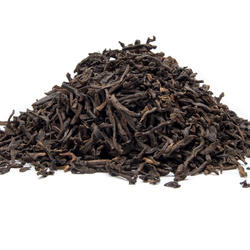
Kenya Purple Roasted Tea – Purple Tea


In the Kenyan mountains of the Great Rift Valley region, where fog and cold prevent most plants from thriving, grows a special tea tree variety with purple leaves. Local farmers craft its leaves into a true rarity. Instead of traditional green tea, they let it partially ferment. The result is reminiscent of wine and tastes unlike anything you’ve ever tried. It’s also one of the most potent natural sources of anthocyanine antioxidants.
Shipping methods
| Nizozemská pošta HD - zásilkovna | Delivered by 2. 10. | 1,00 € |
|---|---|---|
 DHL DHL |
Delivered by 2. 10. | 4,90 € |


Ingredients
Brew & Taste
Roasted Purple Tea presents a pinkish-gold to copper color that immediately catches the eye. The aroma is a mix of forest fruit with subtle notes of lilac and smoky hints of roasted nuts. The first sip carries the acidity of redcurrant that slowly unfolds into the creamy, honey-like finish of slightly roasted oolong.
The taste of roasted purple tea is much more complex than regular purple tea.
Origins
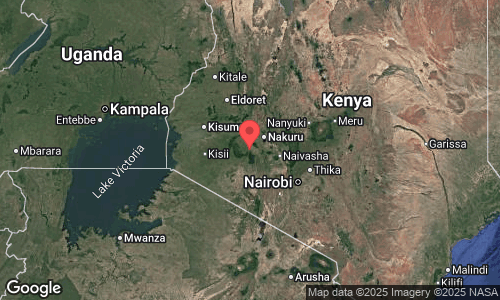
A large fall-in trench isn’t exactly the place where you’d go searching for tea gardens. At an altitude of over 2,500 m, where fog shields the sun most of the year and winters can be truly harsh, ordinary plants cannot survive. Yet it is here that the most valuable purple tea grows, its effects further enhanced by this harsh environment.
When the plant struggles with the cold and lack of sun, it begins to produce more anthocyanins – purple pigments that help it defend against the unfavorable climate. The worse the conditions, the more anthocyanins it produces. Purple tea accounts for only 0.005% of Kenya's total tea production and its properties are similar to those of the legendary Chinese cultivar Zi Juan from Yunnan.
Anthocyanins are substances we can recognize from blueberries and red wine, only with much lower content. Kenyan purple tea contains three times more than blueberries and an astonishing 400 times more than ordinary green tea. This makes it one of the most powerful natural sources of antioxidants ever.
The magic of Purple Roasted Tea lies in how farmers process the leaves. Instead of following the classic green tea process, they allow the leaves to ferment for a short time, but stop the process before complete oxidation occurs, which is the defining characteristic of black tea. Timing is key. Fermentation lasts just long enough to develop complex flavors, but not so long as to degrade the anthocyanins.
This gives the tea properties that you won't find in any other variety. For example, it has a gentler effect on digestion than green tea, more antioxidants than black tea, and almost half the caffeine content of coffee. This means that energy comes slowly throughout the day.
Purple Roasted Tea tastes great hot, cold, or as a base for various wellness drinks. But the best thing about it is knowing that every cup combines a gourmet experience with helping the people who create this exceptional tea. These are small farmers who care about sustainable cultivation, take care of soil health, women's cooperatives, and community education.
Benefits of ingredients:

Tea packaging preview
We pack our teas in a strong, zip-lock aluminum packet which allows you to easily re-seal its contents. This container protects the quality of the tea against humidity, light or foreign odors, all of which could noticeably affect the quality of the brew.
Preparation
 70-80 °C
|
 3-5 minutes
|
Instructions for preparation
- Pour 150-200 ml of boiled water (70-80°C) per 1 teaspoon of tea.
- When brewing in a teapot, add 1 extra teaspoon.
- Covered, steep for 3-5 minutes, then remove the strainer.


Are you looking for inspiration? Other customers have bought this:
Pu Erh Be Fit
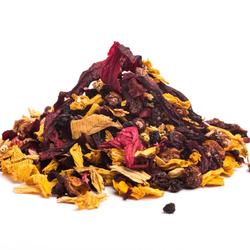
Elderberry-Sea Buckthorn – Fruit Infusion