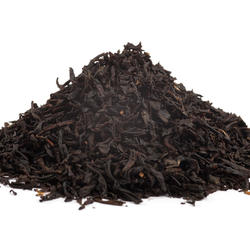
Golden Nepal FTGFOP1 Second Flush – Black Tea


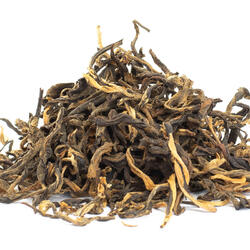
You can already tell from the name of this tea that it is one of the world's best. Grown in the high mountains, it has been given exceptional care and is made from the finest quality leaves. Nepalese black tea has a delicate, soft and subtly floral flavor.
Shipping methods
| Nizozemská pošta HD - zásilkovna | Delivered by 15. 10. | 1,00 € |
|---|---|---|
 DHL DHL |
Delivered by 15. 10. | 4,90 € |


Ingredients
100 % Black tea Golden Nepal FTGFOP 1 Second flushBrew & Taste
Golden Nepal FTGFOP1 Second Flush is characterized by a light color and luxurious flavor. It turns the water yellow-orange and engulfs the entire room in a pleasant, fresh aroma. After the first sip, we notice a sweet-ish deliciousness and a soft trace of fruits and flowers. The tea is balanced, and suitable for drinking throughout the day.
Its annual production cannot meet the demand, so we're happy we can offer you this delicious rarity.
Origins
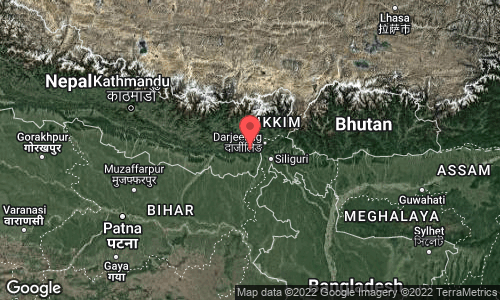
Nepalese tea (grown in the east of the country) is somewhat similar to Darjeeling (India). One could say that the similarity is in appearance, aroma and fruity taste. That is due to the fact that the two tea-growing areas have almost identical geographical and topographical conditions. However, Nepal entered the tea market later than Darjeeling, and due to its low production, it has not yet been able to attract as much attention as Darjeeling. Chinese tea trees (Camellia sinensis) grow in several districts of Nepal (all located in the mountains) – Ilam, Panchthar, Dhankuta, Terhathum, Sindhulpalchok and Kaski.
The local teas are produced in the so-called orthodox way for example they are harvested and processed by hand. If the farmers use machines, for instance for rolling, then they imitate proper work well. The Golden Nepal FTGFOP1 Second Flush tea was harvested from the second week of May to the last week of July. Some experts say it is fuller than the first flush. The abbreviation FTGFOP (Fine Tippy Golden Flowery Orange Pekoe) describes a tea with a high shoot content, belonging to the acclaimed high mountain types of tea. Orthodox Nepalese teas are processed with CTC (crushing - tearing - curling) technology. After plucking, the leaves wilt and are simultaneously crushed and torn during the rolling process. When, during the subsequent fermentation process, leaves change color from green to dark brown and get the distinct taste and aroma, the oxidation process is 100% complete. The plantation manager is responsible for ensuring the correct temperature, humidity and length of the process.
Currently, Nepal produces around 16,000 tonnes of tea annualy, which is only 0,4% of the world's production. It is exported mostly to India, Pakistan, Australia, Germany, France, Poland, Netherlands, Japan, Belgium and the USA. In addition, the Himalayan Tea Producers Association has set four principles of conduct for tea producers: respect for nature, people, traditional production and quality.
Benefits of ingredients:
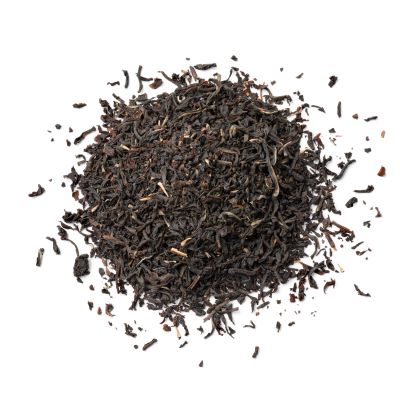

Tea packaging preview
We pack our teas in a strong, zip-lock aluminum packet which allows you to easily re-seal its contents. This container protects the quality of the tea against humidity, light or foreign odors, all of which could noticeably affect the quality of the brew.
Preparation
 100 °C
|
 3-5 minutes
|
 1 teaspoon for 150-200 ml
|
Instructions for preparation
Pour 150-200ml of boiling water (100°C) per 1 teaspoon of tea.
When brewing in a teapot add 1 extra teaspoon.
Covered, let steep for 3-5 minutes, then remove the strainer.


Are you looking for inspiration? Other customers have bought this:
Darjeeling TGFOP1 Silverhill – Black Tea
Yunnan Black Premium – Black Tea