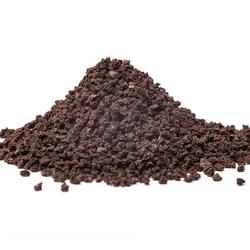
Keemun China Congu – Black Tea


Only top quality! Chinese teas are among cream of the crop of black teas. It has a rich, fruity flavor with a touch of smoke in the finish. Keemun Congu is great for a quick start in the morning, or to battle your afternoon fatigue. It contains enough caffeine to make your days full of explosive energy. That's why it's added to prominent blends of classic English black teas. And its aroma screams luxury!
Shipping methods
| Nizozemská pošta HD - zásilkovna | Delivered by 16. 10. | 1,00 € |
|---|---|---|
 DHL DHL |
Delivered by 16. 10. | 4,90 € |


Ingredients
100 % Black tea China Keemun ConguBrew & Taste
Keemun China Congu is a very dark type of tea. The brownish-red infusion has a sweet and pleasantly spicy smell. The flavor is full-bodied, sweet, with a touch of fruit. It's said that one can taste apricot or blackcurrant, and some observe an aftertaste of caramel, cocoa or chocolate. As it is a roasted tea, there is a trace of delicious smokiness. The bitterness is at its peak, but this is quite common in high-caffeine teas. Connoisseurs of fine tea appreciate the astringency of Keemun China Congu.
Origins

Anhui is an eastern Chinese province that is especially famous for its production of high-quality tea. It lies between the regions of Jiangsu, Zhejiang, Jiangxi and Hubei, and you can find many tea gardens there. Most of Anhui's tea is produced in the southern region, where the mountains are not as high, and the climate is more favorable for growing tea plants. The name Keemun Congu tea reflects the region of its origin (Keemun or Quimen) and the processing method (Congu or Gongfu – a tea requiring great skill).
It is harvested from Chinese tea trees (Camellia sinensis). Because the trees grow high, their leaves are small but very aromatic and full of beneficial nutrients. They are harvested in late April and early May, and the first two leaves. They are spread out on wire fields and left to wilt. After 10-20 hours at 20-24°C, they lose about 30% of their moisture. This is followed by rolling, which is done by hand. It breaks down the cell walls and starts the fermentation. The process of transforming the green leaves into fermented dark ones is supported by the high humidity in the air. It is a very delicate process that must be strictly monitored. The final taste, strength and aroma of the tea depend on it. Finally, the leaves are dried. In China, they are roasted in large pans or preheated ovens. 20kg of black tea can be produced from 100kg of fresh leaves. The last step is sorting by size.
The tea has several varieties: Keemun Congu (hand-processed, with thin intact leaves), Keemun Mao Feng (with leaves slightly twisted, longer steeping time recommended), Keemun Xin Ya (harvested early to have less bitterness) and Keemun Hao Ya (generally the highest class of this tea, contains delicate buds with lots of tips).
Benefits of ingredients:
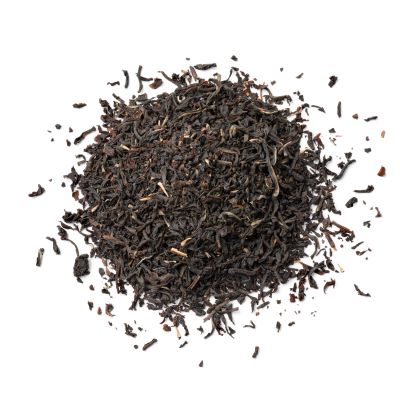

Tea packaging preview
We pack our teas in a strong, zip-lock aluminum packet which allows you to easily re-seal its contents. This container protects the quality of the tea against humidity, light or foreign odors, all of which could noticeably affect the quality of the brew.
Preparation
 100 °C
|
 3-5 minutes
|
 1 teaspoon for 150-200 ml
|
Instructions for preparation
Pour 150-200ml of boiling water (100°C) per 1 teaspoon of tea.
When brewing in a teapot add 1 extra teaspoon.
Covered, let steep for 3-5 minutes, then remove the strainer.


Are you looking for inspiration? Other customers have bought this:
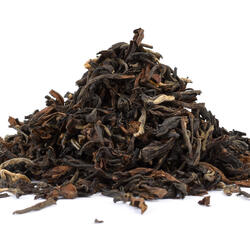
Golden Nepal FTGFOP1 Second Flush – Black Tea
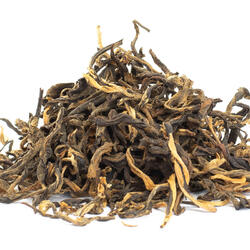
Yunnan Black Premium – Black Tea