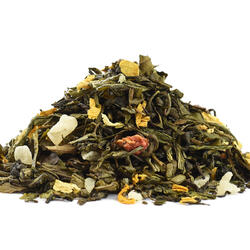
Osmanthus Mao Feng – Green Tea


This tea falls into the “good for the soul” category. Young, hand-harvested tea leaves went through the traditional processes to bring you the full experience of refreshing, deep aroma balanced by the floral lightness of osmanthus. Cozy up, brew yourself a pot and let this tea take you the lush green hills of the Fujian province.
Shipping methods
| Nizozemská pošta HD - zásilkovna | Delivered by 15. 10. | 1,00 € |
|---|---|---|
 DHL DHL |
Delivered by 15. 10. | 4,90 € |


Ingredients
Green tea MAO FENG, Devilwood (Osmanthus) flower, AromaTaste & Brew
Osmanthus Mao Feng has a clear, light-yellow brew. The aroma is refreshing, as is the taste. You will recognize the signature tones of green tea, but without the bitter or grassy tones. And if you sample really carefully, you’ll be able to taste a lasting floral flavor.
Origins

As green tea lovers know, Fujian province is considered the heart of Chinese tea culture. If you're not sure where to look, check the atlas – Fujian is located across from Taiwan Island, adjacent to Zhejiang, Jiangxi and Guangdong provinces. Its capital is Fuzhou, an important cultural and economic center.
It’s a predominantly mountainous area, which the locals have given the name 'eight parts mountain, one part water, one part farmland'. The rugged landscape creates ideal conditions for growing tea trees (Camellia sinensis), and the shrubs thrive particularly well in areas with an altitude of around 1 100m. The climate is subtropical with mild winters and hot summers.
It’s no wonder that Fujian is one of the most important tea-producing provinces in China, especially famous for its oolongs and green teas. The most famous varieties include Tieguanyin (Iron Goddess of Mercy), Wuyi Rock Tea and Mao Feng. It was the latter variety that gave rise to Osmanthus Mao Feng tea.
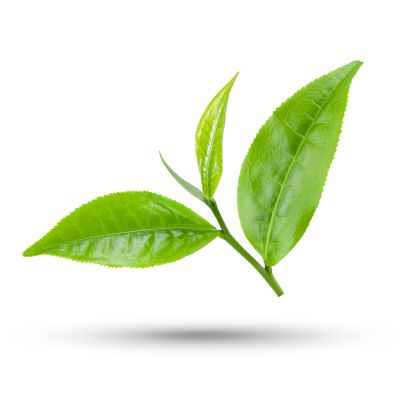
The leaves for its production are collected by workers in spring. Only the young and delicate ones are handpicked at the start of the year, as they contain a high proportion of essential oils and other natural compounds that are key to the tea's characteristic floral aroma and fresh taste.
After harvesting, the leaves are allowed to wilt briefly, so that they lose some of their moisture and soften slightly. They must then be heated to a temperature of around 75-80 °C to stop oxidation and preserve their beautiful color, delicate flavor and freshness. The leaves are then rolled, either manually or mechanically. During this step, the aromatic substances are released (you can tell that the process has been done correctly by steeping the tea). After rolling, the leaves need to be dried at a low temperature until they reach the ideal moisture content.
The final step in the case of Osmanthus Mao Feng green tea is aromatization. The dry leaves are mixed with fresh osmanthus flowers, where they absorb the flower fragrance for several hours. The process can be repeated until the tea acquires the desired intensity of aroma. Next is the flavoring process, which enhances and preserves the floral flavor.
Benefits of ingredients:

Tea packaging preview
We pack our teas in a strong, zip-lock aluminum packet which allows you to easily re-seal its contents. This container protects the quality of the tea against humidity, light or foreign odors, all of which could noticeably affect the quality of the brew.
Preparation
 70-80 °C
|
 3 minutes
|
 1 teaspoon for 150-200 ml
|
Instructions for preparation
- Pour 150-200ml of water (70-80°C) per 1 teaspoon of tea.
- When brewing in a teapot, add 1 extra teaspoon.
- Covered, let steep for 3 minutes, then remove the strainer.


Are you looking for inspiration? Other customers have bought this:
Tie Guan Yin Iron Goddess of Mercy – Oolong Tea
Japan Genmaicha – Green Tea