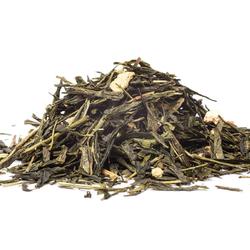
Hojicha Chocolate & Orange – Green Tea

Chocolate and orange moved into a Japanese green tea and felt right at home. Roasted hojicha made them a warm, nutty bed without any astringency and minimal caffeine content. The result became a cup that smells like a luxurious confectionery, just without the guilt that comes with sugary sweets. Brew it for breakfast in the morning, for an afternoon reading, or to keep you company while you watch a movie in the evening. In short, whenever.
Shipping methods
| Nizozemská pošta HD - zásilkovna | Delivered by 15. 10. | 1,00 € |
|---|---|---|
 DHL DHL |
Delivered by 15. 10. | 4,90 € |


Ingredients
100 % Organic Japan Hojicha green tea, AromaBrew & Taste
The infusion is a warm, amber-brown color that's more reminiscent of a roasted grain decoction rather than a green tea. Right after brewing, you'll notice an intense roasted aroma that's slowly joined by a sweet wave of chocolate as well as a refreshing, citrusy breeze of oranges.
It feels smooth and round on the palate, without any astringency. The roasted hojicha foundation makes the tea reminiscent of toasted bread and nuts, while chocolate aroma adds a velvety depth. Finally, oranges make the whole impression lighter.
The aftertaste is lasting, slightly sweet, and leaves a feeling not unlike an orange praline on the palate.
Origins

The base of this tea is Japanese hojicha in powder form, grown to organic standards in Kagoshima Prefecture in the south of Kyushu. The tea plants there grow under the subtropical sun, on slopes near active volcanoes. And the mineral-rich volcanic soil certainly leaves its mark on the quality of the leaves.
Hojicha is a relatively new addition to the world of tea. Its story began in the 1920s in Kyoto, when a local merchant was looking for a way to salvage unsold stocks of green tea. He came up with the idea of quickly roasting the leaves over charcoal in a pot. The result surprised everyone, and hojicha quickly became one of the most popular teas in all of Asia.
While sencha or matcha taste grassy and fresh, hojicha is their exact opposite. Roasting transforms the green sharpness into a warm nuttiness with caramel sweetness, and the bitterness disappears completely. Roasting also brings about another significant change. The caffeine content is significantly reduced, so you can enjoy hojicha even in the evening without it disrupting your sleep, so even children or people who have trouble with caffeine can enjoy it.
Roasting also reduces the tannin content, making hojicha much gentler on the stomach than its greener relatives. What roasting hasn’t taken away, however, are the key properties typical of green tea itself. It still contains antioxidants that help protect cells from oxidative stress.
As for the body, green tea supports normal blood vessel and heart function, helps maintain normal cholesterol levels, and positively influences fat metabolism. By the way, if you suffer from water retention, green tea can help with that too, as it promotes the natural elimination of fluids.
And the list goes on. Green tea contributes to the proper functioning of cognitive processes, meaning concentration and mental alertness. It also benefits the skin, dental health, vision, and gut microbiota, as well as normal intestinal function.
Chocolate and orange then top off the whole tea. The result tastes so good that you’ll want to have another cup, even if you haven’t finished the first one yet.
Benefits of ingredients:

Tea packaging preview
We pack our teas in a strong, zip-lock aluminum packet which allows you to easily re-seal its contents. This container protects the quality of the tea against humidity, light or foreign odors, all of which could noticeably affect the quality of the brew.
Preparation
 80-90 °C
|
 Mix
Mix
|
 1 teaspoon for 150-200 ml
|
Instructions for preparation
- Pour 150 ml of water (80-90°C) per 1 teaspoon of tea.
- Hojicha Latte: Mix the powder in 30-50 ml of hot water (80-90°C). Top up with warm milk.


Are you looking for inspiration? Other customers have bought this:
Lychee Gold Dragon Pearl – Black Tea
English Caramel – Black Tea