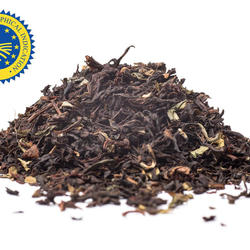
Yu Chi Red Jade – Black Tea


In the heart of Taiwan, near the famous Sun Moon Lake, grows a legendary tea. It’s called Red Jade, just like the mineral, and you’ll be charmed by its noble, exotic character. The TTES No. 18 variety combines the strength of Assam tea with the untamed energy of Taiwanese wilderness. You can look forward to a tea with full flavor, fruity brightness, and refreshing hints of mint. Each sip is proof that tea can be more than an ordinary morning routine. It can be the pause button in the middle of the day, a caress, an encouragement.
Shipping methods
| Nizozemská pošta HD - zásilkovna | Delivered by 22. 10. | 1,00 € |
|---|---|---|
 DHL DHL |
Delivered by 22. 10. | 4,90 € |


Ingredients
100 % Yu Chi Red Jade black teaBrew & Taste
Yu Chi Red Jade tea leaves have been wound into elegant strips which infuse the hot water with a deep, ruby orange color. The aroma is rich, fruity, and clean, reminiscent of a plum orchard in the summer. The taste of Red Jade tea can be described as mild yet distinct at the same time, with sweet notes of fruit, slightly spicy cinnamon, and a gentle, refreshingly minty finish. What’s more, you can brew it repeatedly, and each fresh infusion uncovers new layers, proving its reputation as one of the best teas in Taiwan.
Origins

Red Jade Black Tea (TTES No. 18) comes from the picturesque town of Yuchi in Nantou County, where mist-shrouded hills rise above the surface of Sun Moon Lake and where the history of Taiwanese tea has been written for more than a century. It was here that the Japanese began establishing tea plantations in the first half of the 20th century.
After the war, tea gave way to other crops, but it experienced a real renaissance after the devastating earthquake in 1999. Local farmers realized once again how ideal the conditions for growing Camellia sinensis were and resumed planting. They also discovered that the TTES No. 18 variety, known as Red Jade, is particularly well suited to this region. Its deep roots contribute to soil stability, while its leaves produce an infusion that is quickly gaining admiration from tea connoisseurs around the world.
However, the story of Red Jade cannot be separated from the broader history of Taiwan's tea industry. As early as the 19th century, shortly after the opening of the ports, merchant John Dodd brought the first export model of a tea plant to the island, and within a few decades, small harvests turned into millions of pounds of tea. At that time, it was mainly exported to Europe and America and helped Taiwan put itself on the world tea map.
The Tea Research and Extension Station (TRES), a research institute founded in the early 20th century, also played a key role in developing new varieties. It was there that the TTES No. 18 cultivar was created, an exceptional hybrid of Assam and wild Taiwanese varieties, whose unique character today represents the best of the local tea tradition.
Taiwan is best known today for its oolongs, which make up the majority of its production, but Nantou and its surroundings prove that black tea can be just as distinctive and unmistakable. Approximately 20,000 hectares of tea plantations produce around 15-20 thousand tons of tea annually, and although this is a relatively small amount on a global scale, the quality and reputation of Taiwanese teas are exceptional.
Benefits of ingredients:
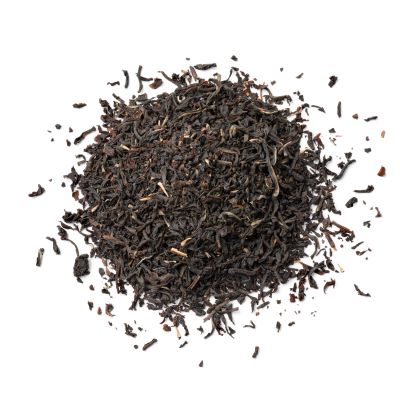

Tea packaging preview
We pack our teas in a strong, zip-lock aluminum packet which allows you to easily re-seal its contents. This container protects the quality of the tea against humidity, light or foreign odors, all of which could noticeably affect the quality of the brew.
Preparation
 100 °C
|
 3-5 minutes
|
 1 teaspoon for 150-200 ml
|
Instructions for preparation
- Pour 150-200 ml of boiled water (100°C) per 1 teaspoon of tea.
- When brewing in a teapot, add 1 extra teaspoon.
- Covered, steep for 3-5 minutes, then remove the strainer.


Are you looking for inspiration? Other customers have bought this:
Lapsang Souchong – Black Tea
Manuhan – Ayurvedic Herbal Tea