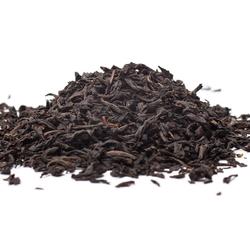
China Keemun Hao Ya - Black Tea


It's like a zebra. Really. The tea leaves of the special China Keemun Hao Ya are alternating black and silver, which is unusual for keemuns. But it is not just visually striking. Its taste is wonderfully floral, with notes of fruit and honey. Although it is a relatively young tea, it is gaining many admirers. We hope that after the first cup, you will join them.
Shipping methods
| Nizozemská pošta HD - zásilkovna | Delivered by 22. 10. | 1,00 € |
|---|---|---|
 DHL DHL |
Delivered by 22. 10. | 4,90 € |


Ingredients
100 % Black tea China Keemun Hao YaBrew & Taste
China Keemun Hao Ya has an infusion of dark brown to mahogany color with a light honey aroma. When brewed, the drink has a harmonious, sweet taste, with flowers and fruits playing the main role. It has a low level of sourness, which complements the whole flavor composition nicely.
Origins

When it comes to the location from which China Keemun Hao Ya hails, we can be fairly accurate. Keemuns are made in Quimen County in China's Anhui Province. The district is located in the southeast of the province, has a population of around 190,000 people and dates back to 766 AD when China was ruled by the Tang dynasty. It was named Quimen (Keemun) after Mount Qi in the northeast and the Chang River in the southwest. Quimen is characterized by a humid subtropical monsoon climate, with an average annual temperature of around 15°C, with most rainfall occurring between April and July.
The Chinese tea tree (Camellia sinensis) is also a special variety – Quimen Zhu Ye. Only undamaged, fresh, disease- and pest-free leaves are selected for harvesting. As the Quimen tea plantations are located in relatively inaccessible hills, workers often have to climb quite high to reach the tea trees. They do so in late April or early May when the tea has the best aromatic qualities.
In the case of China Keemun Hao Ya, they harvest both the leaves and the silvery tips. They are what make the tea look "striped". Workers leave the plucked leaves to wilt, and when they have lost at least a third of their moisture, they roll them by hand. This step distorts them and triggers fermentation, the fermentation needed to give the tea the desired sensory qualities. Once it is done (the whole process must be very carefully monitored and the moment of completion of fermentation correctly identified), the harvest goes into either preheated ovens or large pans. Finally, the tea needs to be sorted and packaged by hand in this case.
Keemun black tea, although produced in China, famous for its millennia-long tea history, is one of the younger ones. Behind its success is Yu Quianchen, a civil servant who reportedly planned to learn the secrets of black tea production in Fujian province. That was in 1875, before which the tea gardens in Anhui were devoted exclusively to green tea. The result of Mr Quianchen's work exceeded all expectations, and his Keemun quickly gained considerable popularity. In England, it became the most important ingredient in the English Breakfast tea blend.
Benefits of ingredients:
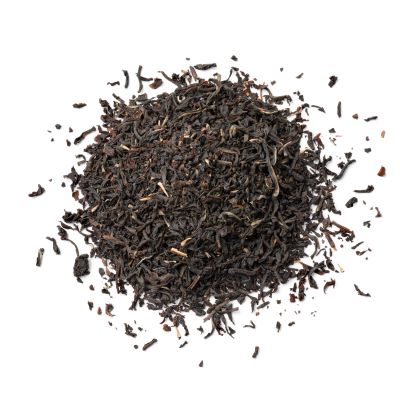

Tea packaging preview
We pack our teas in a strong, zip-lock aluminum packet which allows you to easily re-seal its contents. This container protects the quality of the tea against humidity, light or foreign odors, all of which could noticeably affect the quality of the brew.
Preparation
 100 °C
|
 3-5 minutes
|
 1 teaspoon for 150-200 ml
|
Instructions for preparation
Pour 150-200ml of boiled water (100°C) per 1 teaspoon of tea.
When brewing in a teapot add 1 extra teaspoon.
Covered, let steep for 3-5 minutes, then remove the strainer.


Are you looking for inspiration? Other customers have bought this:
China Huang Jin Gui – Oolong
Assam TGFOP1 Second Flush Monipur – Black Tea