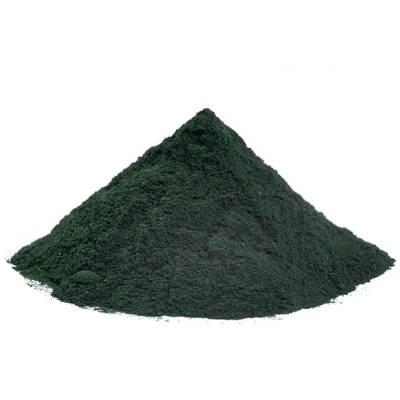
Spirulina BIO – Powder


It has no leaves nor roots. It doesn't grow on plantations or in the mountains. Yet the benefits of this organism are undeniable. What are we talking about? Spirulina, a freshwater cyanobacteria used by the Aztecs. Another of the so-called green foods you can whip up in a smoothie, yogurt or spread. It's a beautiful emerald color and tastes grassy-sweet and sour.
Shipping methods
| Nizozemská pošta HD - zásilkovna | Delivered by 22. 10. | 1,00 € |
|---|---|---|
 DHL DHL |
Delivered by 22. 10. | 4,90 € |


Ingredients
100 % SpirulinaBrew & Taste
We recommend adding this powder to foods with stronger flavor. The taste of spirulina isn't bad, but in soup or juice, its grassy, seaweed-like flavor is easily hidden.
Origins
Spirulina is not a typical tea, of course. It's not a tea at all. But we include it in our offer because its benefits are enough to put many dietary supplements to shame, and the right tea manuac likes to experiment and discover new flavors, colors and aromas. With spirulina, you have a great opportunity to take your discoveries a little further.
We write in the introduction that spirulina is a cyanobacteria. If you look at it under a microscope, you'll find long, thin, blue-green filaments coiled into spirals. It is a unicellular algae found in ponds, lakes and rivers. It needs plenty of sunlight and a very clean environment to thrive. It is sensitive to pesticides as well as heavy metals in the water.
The cyanobacteria is one of the oldest organisms on Earth. Their potential has led to targeted cultivation. There are many spirulina farms around the world. Very little water is needed to produce 1kg and even up to 20 times less land than would need to be cultivated to produce the same amount of soybeans. The farms grow the spirulina in pools, dry it at low temperatures and grind it into a very fine powder.
Spirulina contains protein, complex carbohydrates, iron, calcium and vitamins A, K and B. Some sources report that this cyanobacteria has up to 2300% more iron than spinach and 300% more calcium than cow's milk. It is also valued for its beta-carotene and xanthophyll antioxidant properties.
The U.S. National Aeronautics Administration is adding spirulina to astronauts' diets and plans to grow it on space stations. The benefits of consuming this cyanobacteria are considered by nutritionists to be extraordinary.
Spirulina should not be used by people suffering from phenylketonuria and autoimmunity disorders. In case of any doubt, always consult a physician.
Benefits of ingredients:

Herb packaging preview
We pack our herbs in a strong, zip-lock aluminum packet which allows you to easily re-seal its contents. Thanks to the hermetic seal, the herbs are protected against humidity, light and foreign odors, all of which could noticeably affect the quality of the brew and the herb itself.
Instructions for preparation
Stir 1 teaspoon of spirulina into a drink or dish.
Do not exceed recommended daily dosage of 2-8g (approx. 1 teaspoon).


Are you looking for inspiration? Other customers have bought this:
Lingonberry-Sea Buckthorn – Fruit Infusion
China Gunpowder – Green Tea