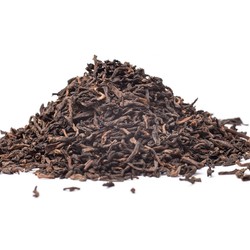
Pu Erh STD


Even healthier than we hoped. If you're interested in what tea looked, tasted and smelled like two thousand years ago, then get Pu Erh. Of course, we're not offering you an archaeological dig, but fresh tea processed in the most traditional way. The mysterious double fermentation gives Pu Erh its magical powers. It's called the Chinese penicillin for a reason.
Shipping methods
| Nizozemská pošta HD - zásilkovna | Delivered by 19. 10. | 1,00 € |
|---|---|---|
 DHL DHL |
Delivered by 19. 10. | 4,90 € |


Ingredients
100 % Red tea PU ERH STDBrew & Taste
Pu Erh has a distinctive earthy taste, sometimes slightly sweet. The older the tea gets, the milder the taste, but the longer it steeps, the coarser and earthier it becomes. The infusion is a very dark color and can become opaque. The aroma is fresh and astringent.
Pu Erh is excellent for making iced tea.
Origins

This ancestor of all teas has an extremely interesting history and production process. What is also surprising is the fact that, unlike other teas, Pu Erh does not lose quality with age. On the contrary, the older it gets, the more delicate the taste. The name is probably derived from the town to which the women used to bring the tea for processing. Phu-er County is located in the south-western Chinese province of Yunnan. The latter is known for its relatively high altitude and specific climate influenced by monsoon rains.
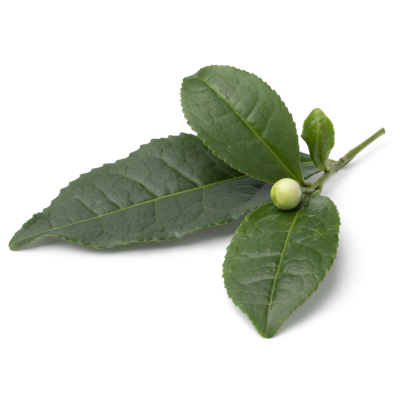
Equally, or maybe even more important, is the process of preparation. Pu Erh can come from various forms of Chinese tea trees (Camellia sinensis). The lowest grade tea is considered to be that produced from tea bushes grown from seeds or cuttings from low altitudes.
A bud with the most adjacent 3-4 leaves is harvested, as the older leaves are essential to the properties of Pu Erh. The processing is still mostly manual and is based on the so-called slow fermentation. If the weather permits, the leaves are spread out in the sun or in a ventilated room to wilt. If it rains, the farmers use heating. The next step is 'killing the green' – the leaves are heated and rolled in a dry pan. This stops the activity of the enzymes. The leaves are then blended, rolled and dried in the gentle sun. Such tea is called Mao Cha. It is either sold on the market or further processed by moistening, pilling it into heaps and leaving it to ferment. Thanks to the natural action of Aspergillus, Penicillium and a variety of yeasts, the tea matures to an excellent quality. The ripening time depends on the desired result and the tea garden. It can take days, months or even a year. Afterwards, the leaves are sorted, steamed and pressed into shapes of bricks, cakes, coins or bars. The tea is referred to as Shu Pu Erh.
Pu Erh can be found on the market under the names Pchu er, Pu'er, Pu-Erh.
Benefits of ingredients:

Tea packaging preview
We pack our teas in a strong, zip-lock aluminum packet which allows you to easily re-seal its contents. This container protects the quality of the tea against humidity, light or foreign odors, all of which could noticeably affect the quality of the brew.
Preparation
 100 °C
|
 3-5 minutes
|
 1 teaspoon for 150-200 ml
|
Instructions for preparation
Pour 150-200ml of boiled water (100°C) per 1 teaspoon of tea.
When brewing in a teapot add 1 extra teaspoon.
Covered, let steep for 3-5 minutes, then remove the strainer.


Are you looking for inspiration? Other customers have bought this:
Rooibos
Shape Tea – Tea Blend