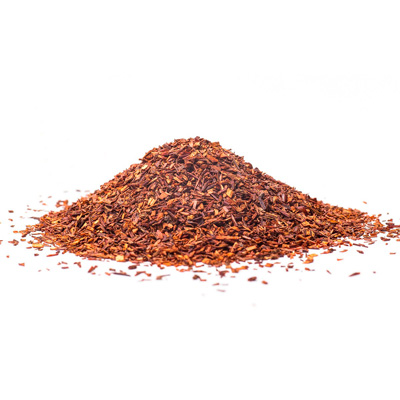
Rooibos


Tales of the wonderful taste and tremendous health benefits of wild rooibos are known all around the world. They have made their way from South African Cedeberg to America, Asia and Europe. This inconspicuous endemic herb yields a drink that's not quite tea, but is growing to similar heights in popularity. Give into its captivating, uderstated charm!
Shipping methods
| Nizozemská pošta HD - zásilkovna | Delivered by 14. 10. | 1,00 € |
|---|---|---|
 DHL DHL |
Delivered by 14. 10. | 4,90 € |


Ingredients
100 % RooibosBrew & Taste
Rooibos is often called redbush tea, so it is clear that its infusion is a beautiful deep red to a mahogany color. Nothing shocking about its taste either – the tea is slightly sweet, very pleasant and smooth. Some may detect a faint hints of nuts. Unlike actual tea, it completely lacks any bitterness. The aroma is pleasant, full and sweet. This is also the reason why rooibos is well liked by small children.
Because rooibos does not contain caffeine, it is perfect for supplementing the drinking regime of small children, nursing and pregnant women, as well as people in recovery.
It tastes great as a hot drink, but try rooibos tea as an iced tea too. The drink can be tweaked with milk and sugar or a slice of lemon and honey.
Origins

Rooibos is harvested from the bushes of the Cape tea plant. Note that this is not the Chinese tea tree, which produces the classic green, black or white tea. This tea tree (Aspalathus linearis) is classified in the bean family and grows only in the Cederberg Mountains near the towns of Clanwilliam and Citrusdal, about 250km from Cape Town. The shrubs are very demanding in terms of soil, humidity and altitude. They require deep sandy soils and specific light conditions. This is why they cannot be cultivated anywhere else in the world, although many people have tried.
Cape tea trees grow wild, reaching a height of about 150cm, with long branches and needle-like green leaves. Their root system is very complex and reaches very deep to absorb groundwater. The plants also benefit from the fires that occur in the area. Those that survive the devastating fire quickly produce new leaves, while others are preserved as seeds. Scientists have found that the seeds last up to six years in the soil and will germinate again when conditions are right. The plants are harvested after reaching 2 years, usually in fall.
Whole branches are cut, commonly at a lenghth of about a forearm. They are finely chopped in special lines and piled into heaps in which they ferment. When the fermentation process is complete, they gain a mahogany color and have an intoxicating sweet aroma. They are then spread out in the sun and dried. They are generally classified into two categories – Supergrade, which is powdered tea that's used in teabags, and Choicegrade, which is the cut stems suitable for regular brewing.
Benefits of ingredients:

Tea packaging preview
We pack our teas in a strong, zip-lock aluminum packet which allows you to easily re-seal its contents. This container protects the quality of the tea against humidity, light or foreign odors, all of which could noticeably affect the quality of the brew.
Preparation
 100 °C
|
 8 minutes
|
 1 teaspoon for 150-200 ml
|
Instructions for preparation
Pour 150-200ml of boiled water (100°C) per 1 teaspoon of tea.
When brewing in a teapot add 1 extra teaspoon.
Covered, let steep for 8 minutes, then remove the strainer.


Most popular accessories for this product
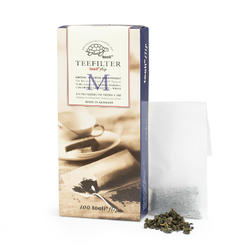
Paper Filter M for Cups & Teapots
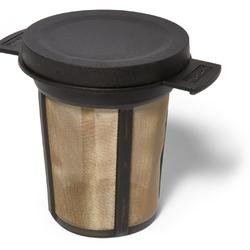
Tea Infuser – Medium
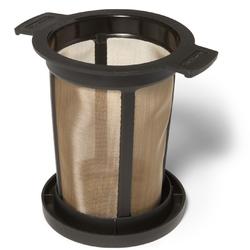
Tea Infuser – Large
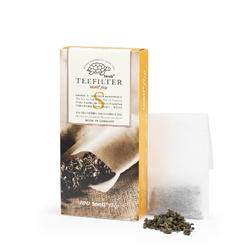
Paper Filter – Small, 100pcs
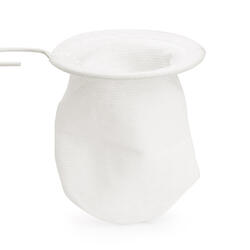
Cotton infuser M - 1 piece
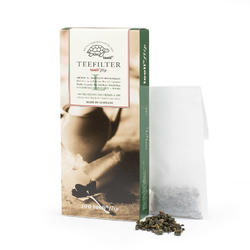
Paper Filter – Large, 100pcs
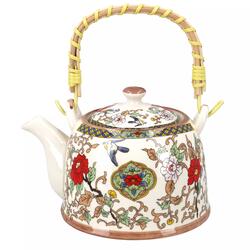
Oriental Teapot with Strainer – 900ml
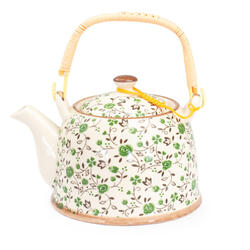
Floral Teapot with Strainer II – 900ml
Are you looking for inspiration? Other customers have bought this:
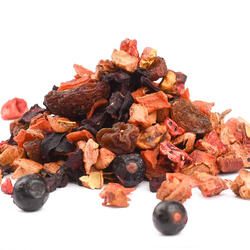
Child's Dream – Fruit Infusion
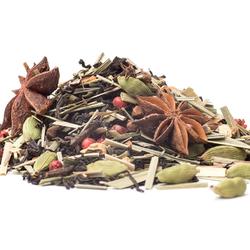
Masala Chai – Black Tea