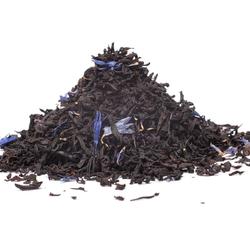
Nilgiri Frost Glendale Winter Flush – Black Tea

Only once a year! This black tea is harvested the moment the high-altitude garden in the Indian Nilgiri area is covered in mild frost. And into that slight drizzle, workers with giant baskets venture to pluck the frozen tea leaves just as the cool sun rises. They need to be immediately processed to retain their delicate, aromatic depth. The result? Elegant, fresh yet layered tea that demands attention with both its taste and looks. Long, dark leaves and light tips clearly signal that you're holding a truly exceptional product.
Shipping methods
| Nizozemská pošta HD - zásilkovna | Delivered by 22. 10. | 1,00 € |
|---|---|---|
 DHL DHL |
Delivered by 22. 10. | 4,90 € |


Ingredients
100 % Nilgiri Frost Glendale Winter Flush black teaBrew & Taste
Even the first whiff of Nilgiri Frost Glendale Winter Flush reveals that this is no ordinary black tea. The aroma is clean and slightly floral, with a hint of freshness reminiscent of a cool mountain morning. The flavor gradually unfolds with a delicate floral note, accompanied by herbal notes and a natural sweetness reminiscent of ripe apricots. The profile is rounded off by a slightly spicy, citrusy finish – as if a subtle hint of orange peel were present in the aftertaste.
The brew is light and refreshing, yet the flavor is full-bodied and long-lasting. It is precisely this contrast between delicacy and intensity that makes this tea an exceptionally interesting cup you’ll be craving to return to.
Origins

Before you lies a black tea from one of India’s most fascinating tea-growing regions. We’ve brought it to you from the Nilgiri Mountains, located in the south of the country, in the state of Tamil Nadu. The name 'Nilgiri' translates to 'Blue Mountains', and anyone who has ever seen this landscape knows exactly why. Misty haze, mountain slopes, and endless rows of tea plants create an environment with a truly magical atmosphere. And, moreover, it fundamentally determines the tea’s final flavor. The Glendale Estate itself is one of the region’s historic pillars. It was founded in the first half of the 19th century, at a time when India was gradually becoming one of the world’s most important tea producers. To this day, it maintains a traditional approach to processing and an emphasis on quality, which is absolutely crucial for such exclusive harvests.
The most significant factor is likely the altitude; tea plants here grow between 1,650 and 2,120 meters above sea level. At higher elevations, fresh growth appears much more slowly, and it is precisely this effect that allows the leaves to develop more delicate and complex aromatic compounds. Added to this is the specific climate: cool nights, misty mornings, and regular rainfall. Then, during the winter months, comes the moment that gives the tea its name and character – a gentle mountain frost.
That's exactly what starts the natural biochemical processes in the leaves. The plant tries to defend itself from the cold and begins concentrating aromatic compounds in the leaves, which, under normal circumstances, wouldn't be present in such high amounts. The harvest needs to be done very fast. Plants are plucked early in the morning while they're still stiff with cold and the leaves are immediately transported to be processed. Any delays would mean partial loss of their unique potential.
Hundreds of people with generational experience work in the Glendale Estate tea garden and its adjacent processing factory. Each year – from the manual harvest to the final sorting – has strict rules. Thanks to the combination of tradition, natural conditions, and human precision, Nilgiri Frost is considered one of the most interesting winter teas in the world.
Benefits of ingredients:
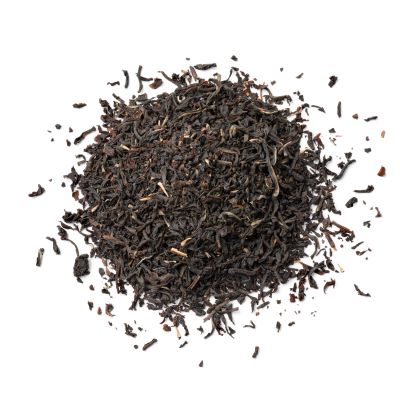

Tea packaging preview
We pack our teas in a strong, zip-lock aluminum packet which allows you to easily re-seal its contents. This container protects the quality of the tea against humidity, light or foreign odors, all of which could noticeably affect the quality of the brew.
Preparation
 90 °C
90 °C
|
 3-5 minutes
|
 1 teaspoon for 150-200 ml
|
Instructions for preparation
- Pour 150-200 ml of boiled water (90°C) per 1 teaspoon of tea.
- When brewing in a teapot, add 1 extra teaspoon.
- Covered, steep for 3-5 minutes, then remove the strainer.


Are you looking for inspiration? Other customers have bought this:
Assam TGFOP1 Second Flush Monipur – Black Tea
Keemun China Congu – Black Tea