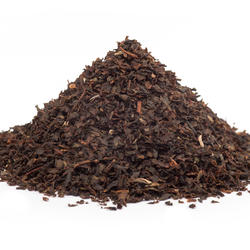
Mosambik GBOP Monte Metilile – Organic Black Tea


Beneath Mozambique's highest mountain, a home to diverse plants and animals, local farmers are restoring long-abandoned tea gardens. One such garden is Monte Metilile. The tea trees are grown under organic farming, so the harvest is organic and incredibly delicious. Indulge yourself in a classic African CTC tea of the highest class with lots of golden tips!
Shipping methods
| Nizozemská pošta HD - zásilkovna | Delivered by 22. 10. | 1,00 € |
|---|---|---|
 DHL DHL |
Delivered by 22. 10. | 4,90 € |


Ingredients
100 % Black tea Mosambique GBOP Monte Metilile BIOBrew & Taste
Black tea Mozambique GBOP from Monte Metilile will appeal with its beautiful appearance and pleasant aroma. When covered with boiling water, the infusion becomes a beautiful amber color. The flavor is harmoniously sweet and fruity fresh. This tea is excellent as a breakfast tea, but its benefits are sure to be appreciated even when sipped throughout the day.
Origins

If you're unsure where to look for Mozambique on the map, we're not surprised. Unfortunately, this small east African country isn't talked about much, let alone the political situation there. Only recently have the rumors of delicious local tea reached beyond it's borders. However, the products that come to us from the Republic of Mozambique will convince any tea lover that Mozambican tea is beyond expectation! Why? Stay with us a bit longer.
Since 1505, the territory of Mozambique has been controlled by Portugal. It was due to its "discovery" by the Portuguese navigator Vasco de Gama, who landed there in 1498. It was not until 1975 that the country gained independence, and the People's Republic of Mozambique was established. However, subsequent events led to a 15-year civil war. Today, Mozambique is one of the poorest countries in the world.
Tea trees probably arrived on the African continent in the early 20th century, first in Kenya, Uganda, Malawi and Tanzania. In Mozambique, Portuguese settlers planted them in the 1930s. The colonial legacy became the basis for export earnings for many local tea producers. In the 1960s, Mozambique was even Africa's second-largest tea exporter. But due to unrest, border changes and struggles for independence, many tea gardens came to a considerable loss. The plantations were untended, the processing facilities closed, all the machinery fell into disrepair, and the farmers did not pass on the craft to their offspring. However, Cha de Magoma's efforts are proving fruitful. Thanks to investments in high-quality facilities, local people and the restoration of tea gardens, we are now getting top-quality tea. One of these is Mozambique GBOP Monte Metilile.
The Monte Metilile garden is located in the Mount Namuli region. It is covered with Camellia sinensis var. assamica tea trees. The climatic conditions at an altitude of 1,200m, the nutrient-rich soil, and the abundance of sunlight and moisture all benefit the tea bushes at Monte Metilile immensely. Moreover, they are grown under organic farming, without the use of industrial fertilizers or chemicals. The organic certification for which the tea must regularly apply only underlines the quality of the tea.
Mozambique GBOP Monte Metilile is one of the orthodox teas, that is, processed most traditionally. The leaves are hand-picked, then left to wilt. Workers roll them either by hand or with the help of machines, then the harvest is left to oxidize, and then comes the drying, sorting and packaging.
The GBOP (Golden Broken Orange Pekoe) abbreviation in the name suggests the highest grade of broken tea, often with whole-leaf fragments. Such tea contains the top buds – the tips. These contribute to the harmonious and delicate flavor of the drink.
Benefits of ingredients:
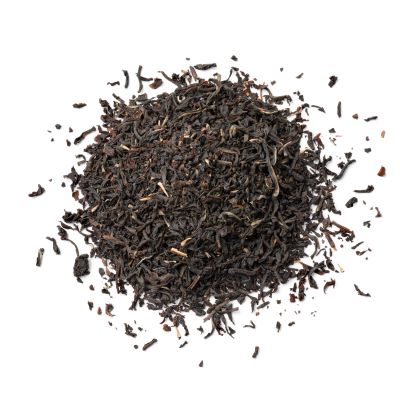

Tea packaging preview
We pack our teas in a strong, zip-lock aluminum packet which allows you to easily re-seal its contents. This container protects the quality of the tea against humidity, light or foreign odors, all of which could noticeably affect the quality of the brew.
Preparation
 100 °C
|
 3-5 minutes
|
 1 teaspoon for 150-200 ml
|
Instructions for preparation
Pour 150-200ml of boiled water (100°C) per 1 teaspoon of tea.
When brewing in a teapot add 1 extra teaspoon.
Covered, let steep for 3-5 minutes, then remove the strainer.


Are you looking for inspiration? Other customers have bought this:
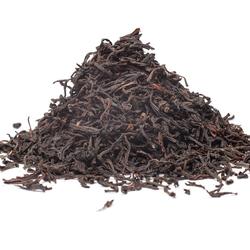
Ceylon OP – Black Tea
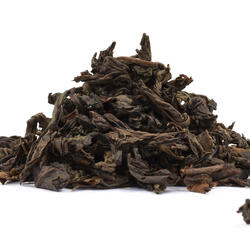
Ceylon Uva Pekoe – Black Tea