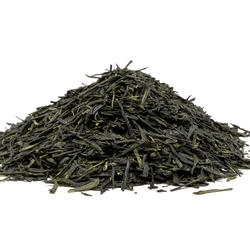
Japan Gyokuro Hisui – Organic Green Tea


The mountainous island of Kyushu is famous for Japan's most active volcano, hot springs and rich history, as well as its extensive tea gardens. For centuries, they have given the world leaves of perfect purity and exquisite aromas and flavors. Japan Gyokuro in organic quality is one of the most exclusive. It grows in the shade of reed mats to make it as delicate, mild, and refreshingly sweet as possible. This tea is also known as Jade Dew.
Shipping methods
| Nizozemská pošta HD - zásilkovna | Delivered by 15. 10. | 1,00 € |
|---|---|---|
 DHL DHL |
Delivered by 15. 10. | 4,90 € |


Ingredients
100 % Organic Japan GyokuroBrew & Taste
Japan Gyokuro Hisui organic green tea is rightly ranked among high-quality varieties. The way in which it is grown and processed gives it a very delicious taste, mild and sweetly fruity at the end. The Japanese had to invent a new taste to describe the flavor of gyokuro, and you probably know it as umami. The infusion has a light yellow-green color and can be steeped up to 3 times from one batch of tea. It surprises with slightly different notes each time.
Origins
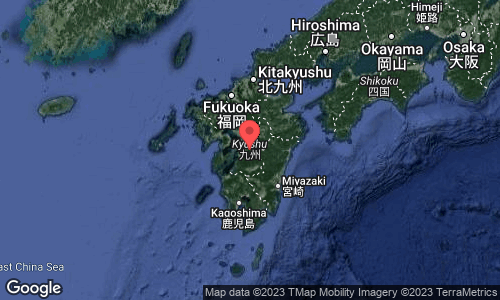
Kyushu (meaning "nine provinces") is Japan's southernmost island, once considered the gateway to Japan. It is a mountainous region, with the country's most active volcano, Mt Aso, rising to 1,591m. Around 10% of Japan's total population lives on this island, with most towns concentrated along the northwest coast. However, the prefectures of Fukuoka, Kagoshima and Miyazaki are the most important to tea. They have a subtropical climate and mineral-rich soil.
Before we get to the description of this unique tea, let's mention that the entire island is also famous for its temples with stone Buddhas, shrines in high altitudes, castle town, porcelain, handmade paper, gourmet cuisine, amazing nature and modern buildings. It will probably come as no surprise that one can also come across the Tea Museum. The one in Fukuoka Prefecture not only offers insight into tea history and tea production, but you can taste tea noodles, rice tea porridge or roast your own fresh tea leaves. It's open daily except for Tuesdays.
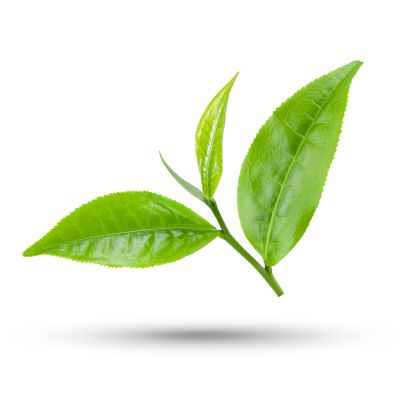
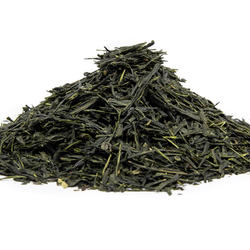
It's no coincidence that this Japan Gyokuro also got the name Hisui in its name. It means "jade" in Japanese, and that's exactly the color of the tea leaves. This magnificent tea gained this attractive color thanks to the special cultivation of tea leaves. These are covered with reed mats about 20 days before harvest. This means that the tea leaves receive minimal sunlight and the plants are stimulated to produce more chlorophyll. This influences other substances in the green matter that have a significant effect on the taste and aroma of the tea. Shading tea trees has been used in Japan since the 17th century.
The leaves of tea trees are hand-picked by workers on the plantations between April and May. To prevent them from oxidizing and losing their precious freshness, they are steamed briefly. The tea is then rolled into tiny needles and gently dried. The Japanese love their gyokuro so much that they have assigned its taste to a fifth, special umami category. But beware, you have to search the market for good gyokuro. High-quality Japanese tea is often mistaken for Chinese substitutes. In the case of Japan Gyokuro Hisui, however, you can be sure of the origin. As well as the purity that the organic label guarantees.
Benefits of ingredients:

Tea packaging preview
We pack our teas in a strong, zip-lock aluminum packet which allows you to easily re-seal its contents. This container protects the quality of the tea against humidity, light or foreign odors, all of which could noticeably affect the quality of the brew.
Preparation
 60 °C
60 °C
|
 2 minutes
|
 3g per 100 ml
|
Instructions for preparation
First infusion:
Pour 100ml of boiled water (60°C) per 3g of tea.
Covered, steep for 2 minues, then remove the strainer.
Second infusion:
Pour required amount of boiled water (70°C) over tea leaves.
Steep for 1.5 minutes.
Third infusion:
Pour required amount of boiled water (80°C) over tea leaves.
Steep for 1 minute.


Are you looking for inspiration? Other customers have bought this:
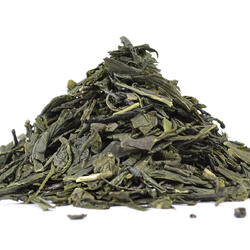
Japan Gyokuro – Green Tea
Japan Miyazaki Organic Gyokuro