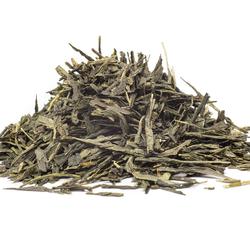
Japan Gyokuro – Green Tea


You're going to love this! This Japanese specialty is reserved for special ocassions, such as for guests. It is grown under very specific conditions, which give it a distinctive, delicate, full-bodied, and harmonious flavor with a slightly sweet character. Japan Gyokuro is one of the rarest Japanese green teas and captivates with its delicacy and velvety smoothness. There is no better way to describe it. Try it for yourself, this traditional green tea from the hills of Uji will not disappoint.
Shipping methods
| Nizozemská pošta HD - zásilkovna | Delivered by 15. 10. | 1,00 € |
|---|---|---|
 DHL DHL |
Delivered by 15. 10. | 4,90 € |


Ingredients
100 % Organic Japan GyokuroBrew & Taste
Every encounter with a high-quality Japanese gyokuro is a pleasant one. The infusion has a light green color and a clean, fresh aroma. Its flavor, with its smoothness and sweetness, is reminiscent of velvet—it is soft, harmonious, and elegant. You’ll also discover a delicate floral note with a slight hint of umami, which lends the tea depth and richness. The long-lasting aftertaste further highlights its exceptional character.
Origins
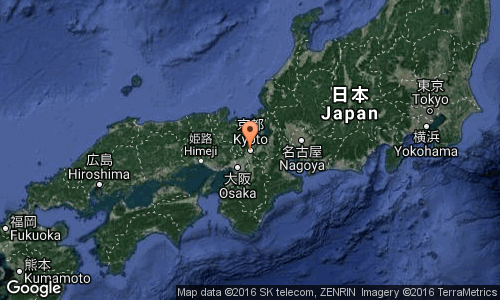
Gyokuro or Jade Dew are both names for green tea grown in the Uji area, located on the southern edge of a city recognized as the centre of Japanese culture; Kyoto. The region is characterized by lush green hills, high humidity, fertile soil and warm days alternating with cold nights. As a result, tea plants thrive in local gardens and their leaves are among the finest in Japan. Teas from this region of the Land of the Rising Sun have an intoxicating taste and aroma, as well as a richer color.
Why is gyokuro so interesting? Because it is the result of a specific process of growing Chinese tea plants (Camellia sinensis). Unlike most tea gardens, which are exposed to direct sunlight or spread out in the semi-shade of mature trees, 20 days before harvest the tea plants destined for gyokuro are covered with straw mats called kanreisha. These make the shrubs produce more chlorophyll in their leaves, which in turn affects the production of amino acids, caffeine, and sugar. This makes the gyokuro sweet and delicious, with minimal astringency.
There are clear rules for harvesting – it always starts 88 days after the first day of spring, around the end of April and beginning of May. The petals are usually plucked by hand, giving them a fuller and more delicate aroma. A skilled picker will hand over 6-8kg of tea a day for processing. After picking, the leaves are steamed. About 15 seconds of exposure to hot steam results in a halt to oxidation. The leaves retain their beautiful green color and health benefits. They are then rolled into small needles and dried. Finally, the tea needs to be sorted and packaged.
Benefits of ingredients:
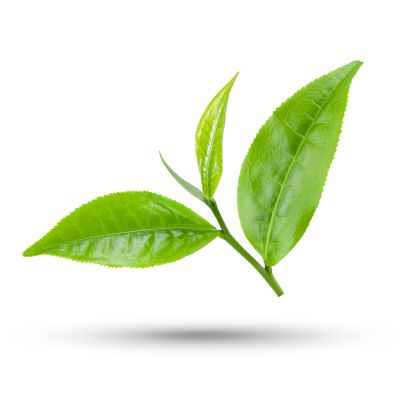

Tea packaging preview
We pack our teas in a strong, zip-lock aluminum packet which allows you to easily re-seal its contents. This container protects the quality of the tea against humidity, light or foreign odors, all of which could noticeably affect the quality of the brew.
Preparation
 60 °C
60 °C
|
 2 minutes
|
 3g per 100 ml
|
Instructions for preparation
First infusion:
Pour 100ml of boiled water (60°C) per 3g of tea.
Covered, steep for 2 minues, then remove the strainer.
Second infusion:
Pour required amount of boiled water (70°C) over tea leaves.
Steep for 1.5 minutes.
Third infusion:
Pour required amount of boiled water (80°C) over tea leaves.
Steep for 1 minute.


Are you looking for inspiration? Other customers have bought this:
Lung Ching – Green Tea
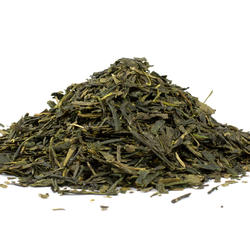
Japan Bancha Premium – Green Tea