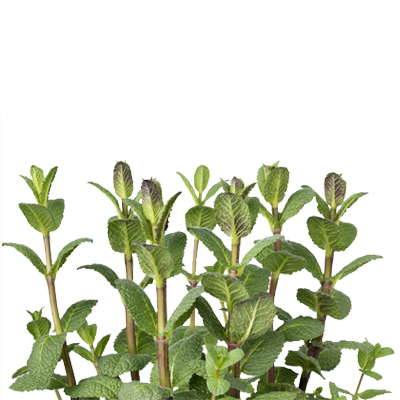
False Apple Mint (Mentha Rotundifolia) – Herb


Spicy, soothing, refreshing... we love mint so much that we have all sorts of adjectives for it. It's been a part of mythology, phytotherapy and cosmetics since the times of ancient Greece. Its proven health benefits include the ability to invigorate, relieve indigestion and relax muscles. It's also said to summon prophetic dreams and love. We'll leave that to you to find out.
Shipping methods
| Nizozemská pošta HD - zásilkovna | Delivered by 22. 10. | 1,00 € |
|---|---|---|
 DHL DHL |
Delivered by 22. 10. | 4,90 € |


Ingredients
100 % Egyptian MintBrew & Tsate
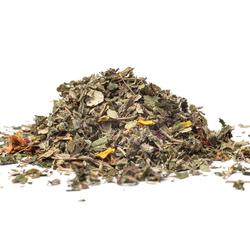
This mint has a typical peppermint element, the taste is refreshing, minty, without astringency or bitterness. In the case of false apple mint, you will notice a subtle apple undertone. The infusion is pale yellow-green in color and has a very pleasant, refreshing aroma.
Origins
Under the name false apple mint is Mentha rotundifolia. And to make things a little more confusing, it's a blend of apple mint and horse mint.
Mint has around 15 varieties and it's not exactly easy to get to know them all. For us, it will be enough to know the properties of the one we actually import from Egypt. It is said that it was there that it was discovered, and it owes its popularity to the local people that it has become one of the most popular spices and medicines.
Mint is even mentioned in the biblical New Testament, its parts were found in a tomb in Karnak and it is confirmed that it was used in ancient India, China and Japan.The name is from Greek, from the story of the nymph Menthe, who was turned into an herb by the jealous Persephone.
Mint sprigs were used to decorate tables, woven into the hair of brides and grooms, and hung under beams in cottages to summon love. Mint decoctions were a part of rituals to improve thinking, its leaves were scattered on church floors during processions, but they were also used to chase away mice in pantries.
It is a perennial plant growing up to 80cm. It has soft, large, dark green leaves covered with hairs. The stem is quadrangular. Botanically, the mint belongs to the Lamiaeae family. In nature, it reproduces by seeds, but also by rhizomes or runners. It thrives in moist but sunny habitats.
Either just the leaves or the entire inflorescence is harvested just before flowering. Preferably at midday from June to September when it contains maximum essential oils. If the weather cooperates, mint can be harvested twice during the summer. The drying temperature must not exceed 35°C. Dried mint should be stored without air and moisture to avoid losing its aroma.
Mint is used in folk medicine, cosmetics, tobacco and food industries.
Benefits of ingredients:

Herb packaging preview
We pack our herbs in a strong, zip-lock aluminum packet which allows you to easily re-seal its contents. Thanks to the hermetic seal, the herbs are protected against humidity, light and foreign odors, all of which could noticeably affect the quality of the brew and the herb itself.
Preparation
 100 °C
|
 8-10 minutes
|
 1 teaspoon for 150-200 ml
|
Instructions for preparation
Pour 150-200ml of boiled water (100°C) per 1 teaspoon of herbs.
When brewing in a teapot add 1 extra teaspoon.
Covered, let steep for 8-10 minutes, then remove the strainer.


Are you looking for inspiration? Other customers have bought this:
Jasmine – Green Tea
For Cold Weather – Herbal Infusion