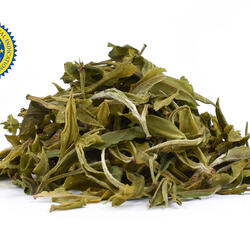
Darjeeling Ambootia Spring Mist First Flush 2026 – Black Tea

The first spring harvest. It's the reason behind the legendary reputation of Darjeeling tea and this is but one of the stories. Ambootia Spring Mist will show you the moment when tea plants come alive after the winter. Their soft, manually picked leaves carry the energy of the first rays of sun and cold mountain air. The result is a light, refreshing tea with the signature First Flush qualities – lively, elegant, and unexpectedly complex. Love on first sip.
Shipping methods
| Nizozemská pošta HD - zásilkovna | Delivered by 15. 10. | 1,00 € |
|---|---|---|
 DHL DHL |
Delivered by 15. 10. | 4,90 € |


Ingredients
100 % Darjeeling Ambootia Spring Mist First Flush 2026 black teaBrew & Taste
Even the dry, loose tea leaf will give you the impression that this isn't any ordinary tea. It's slender and wire-like, with a light and airy feel. After brewing, it unfolds into a light, sparkly infusion that will immediately catch your attention with its clarity. The taste reflects the usual freshness of first harvests: subtle florals, slight grassiness, and a breath of spring breeze. The overall result is lively, spirited, with a pleasant lightness and a pure, lasting aftertaste. This tea won't weigh you down – it will wake you up.
Origins

Darjeeling Ambootia Spring Mist comes from one of the world’s most iconic tea-growing regions – Darjeeling, India. Specifically, from the Ambootia garden, which was established in the Kurseong North area as early as 1861. It lies at an altitude of around 1,200 meters, a zone where tea plants grow more slowly but concentrate their flavor and aroma all the more intensely in their leaves.
It is here that the specific Himalayan microclimate comes into its own. Mornings are usually cool and shrouded in fog; during the day, the landscape warms up in the sun, and in the evening, it cools down again. This constant alternation slows the growth of the tea leaves which forces them to "work" – or, in other words, produce a higher quantity of aromatic compounds which we then perceive as the freshness, floral notes, and light astringency typical of first flushes.
Workers have to maintain the tea plants (Camellia sinensis) at an optimal height by regular pruning. Only then can they hand-pick the youngest and most valuable parts – the first two leaves and a bud. These contain the most delicate flavors, but they're extremely sensitive to processing. That's why, after harvesting, they're immediately transported to the factory, where they undergo a carefully controlled process of withering, rolling, and oxidation.
First Flush, the first spring harvest, holds a special place in Darjeeling. The leaves that emerge after the winter dormancy are almost bursting with energy – a combination of winter sun and cool mountain air, as our supplier describes it. The harvest takes place for only a few weeks a year, usually in March and April, which is precisely why these teas are so highly prized.
Moreover, the Ambootia Garden (translated as "The Place of Mango Trees") is among those that pride themselves on a sustainable approach to cultivation. Respect for nature, the soil, and people is reflected in every step of production here. The result is a tea that is not just a product, but a true reflection of the place it comes from. And when you taste it, you’ll quickly understand why Darjeeling is nicknamed the 'champagne of teas'.
Benefits of ingredients:
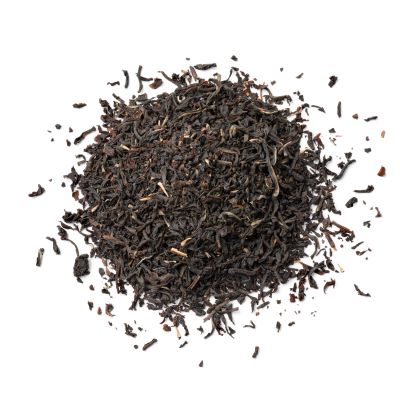

Tea packaging preview
We pack our teas in a strong, zip-lock aluminum packet which allows you to easily re-seal its contents. This container protects the quality of the tea against humidity, light or foreign odors, all of which could noticeably affect the quality of the brew.
Preparation
 90 °C
90 °C
|
 3-5 minutes
|
 1 teaspoon for 150-200 ml
|
Instructions for preparation
- Pour 150-200 ml of boiled water (90°C) per 1 teaspoon of tea.
- When brewing in a teapot, add 1 extra teaspoon.
- Covered, steep for 3-5 minutes, then remove the strainer.


Are you looking for inspiration? Other customers have bought this:
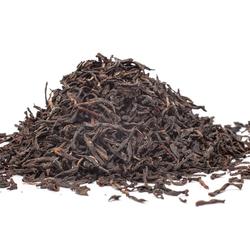
Assam TGFOP1 – Black Tea
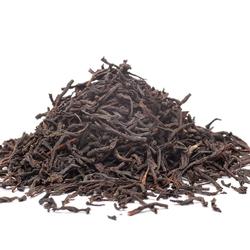
Ceylon OP1 Pettiagalla – Black Tea