Cornflower (Centaurea Cyanus) – Herb


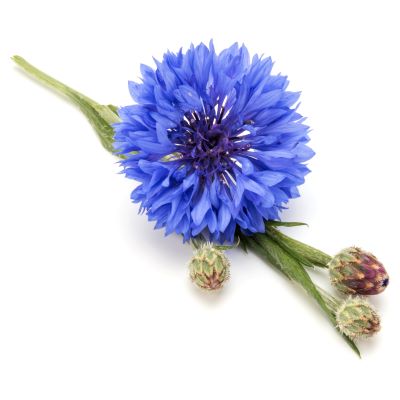
You can't miss it in the wild. These beautiful blue flowers used to grow at the edges of fields or in clearings. Today, they are scarce and protected by law, but you can still enjoy some cornflower tea. European growers take care to ensure the highest quality of the herbs and their proper drying and storage. Cornflower is good for the kidneys, stomach, circulation and eyes.
Shipping methods
| Nizozemská pošta HD - zásilkovna | Delivered by 14. 10. | 1,00 € |
|---|---|---|
 DHL DHL |
Delivered by 14. 10. | 4,90 € |


Ingredients
100 % CornflowerOrigins
What would you do if you found a bachelor's button in a meadow? We, for one, would be delighted. Because it would mean we'd stumbled across a cornflower. Bachelor's button is another name for this beautiful herb with vibrant, blue flower. It's popular as a decorative flower.
Cornflower (Centaurea cyanus) grows up to 150cm and was originally found in southwest Asia and southern Europe. It has gradually spread to other parts of Europe and Asia, as well as to Australia and the American continent. Its former abundance has been suppressed by aggressive herbicides, so it is now rare to find it in the wild.
This medicinal plant is one of the symbols of Estonia and partly of Germany. Since the Middle Ages, it has been used to make dye for painting. Superstition also has it that if its flower fades too soon in the lapel of a man in love, his love is not returned.
Cornflower has been a part of folk healing since the its very start. The flowers themselves are edible and used as decorations in a variety of dishes. However, because of their various health benefits, they are most often used to make infusions to be added to a bath or tea. It is good for the skin and has beneficial effects on, for example, eyesight or the proper functioning of the kidneys and liver. There is much more to it, and if you follow a sensible dosage, you can take it for up to 8 weeks. After that, we advise a shorter break.
Benefits of ingredients:

Herb packaging preview
We pack our herbs in a strong, zip-lock aluminum packet which allows you to easily re-seal its contents. Thanks to the hermetic seal, the herbs are protected against humidity, light and foreign odors, all of which could noticeably affect the quality of the brew and the herb itself.
Preparation
 100 °C
|
 15 minutes
|
 1 teaspoon for 250 ml
|
Instructions for preparation
Pour 250ml of boiled water (100°C) per 1 teaspoon of tea.
When brewing in a teapot add 1 extra teaspoon.
Covered, let steep for 15 minutes, then remove the strainer.


Are you looking for inspiration? Other customers have bought this:
Hibiscus Tea
Damiana (Turnera Diffusa) – Herb