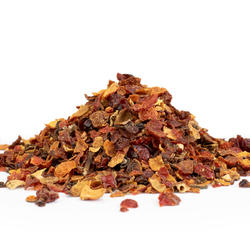
Hibiscus Tea


You are probably familiar with the beautiful, large, red hibiscus flower. But did you know that in Asia, Africa, Thailand and South America, it's used to make refreshing teas? They are used to make jams, chutneys, juices, seasonsing... The hibiscus flower has a pleasantly sour taste and many health benefits.
Shipping methods
| Nizozemská pošta HD - zásilkovna | Delivered by 22. 10. | 1,00 € |
|---|---|---|
 DHL DHL |
Delivered by 22. 10. | 4,90 € |


Ingredients
100 % Hibiscus flowerBrew & Taste
Hibiscus gives a beautiful crimson red infusion.
Try it as a hot drink, but don't forget the iced version. Either way, it has excellent flavor and beneficial properties.
Origins
Hibiscus needs plenty of light and warmth to grow well, so it favors tropical and subtropical climates. However, it can often be found in botanical gardens or cultivated at home. As a houseplant, it exists in several species, often bred to grow in apartments with low humidity.
In its native habitats it takes the form of a shrub, semi-tree or a tree. It can be deciduous or evergreen.
Hibiscus teas are made from Sudanese hibiscus (Hibiscus sabdariffa). It is a shrub reaching up to 2m in height. It has deep green leaves and white flowers with a red center. The fruits are usually oblong and contain seeds. A relative of the hibiscus, the edible hibiscus known as okra, is grown specifically for them.
The hibiscus is named after the mythical bird Ibis from Egyptian mythology. Hibiscus tea is especially popular in Egypt and used in almost all drinks. The dried flowers of the Sudanese hibiscus used for making tea are called karkadé. The Egyptian national tea is served in cafes, enjoyed with a shisha pipe and at social gatherings.
Benefits of ingredients:


Herb packaging preview
We pack our herbs in a strong, zip-lock aluminum packet which allows you to easily re-seal its contents. Thanks to the hermetic seal, the herbs are protected against humidity, light and foreign odors, all of which could noticeably affect the quality of the brew and the herb itself.
Preparation
 100 °C
|
 10 minutes
|
 1 to 2 teaspoons for 150 ml
|
Instructions for preparation
Pour 150-200ml of boiled water (100°C) per 1-2 teaspoons of tea.
When brewing in a teapot add 1-2 extra teaspoons.
Covered, let steep for 10 minutes, then remove the strainer.


Are you looking for inspiration? Other customers have bought this:
Earl Grey – Black Tea
Rooibos