Cinnamon OIolong


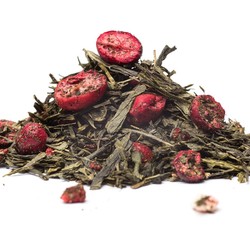
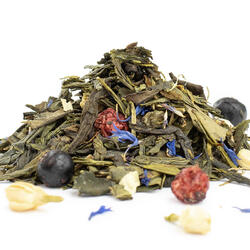
Oolong is a beautiful and very delicious tea in itself. But if you're craving something sweeter and fruitier, reach for its cinnamon variant. It will enchant you not only with its aromatic spice but also with plenty of juicy apples and a few handfuls of a nice white tea. The resulting composition tastes of pomegranates with a subtle pepperiness in the finish. Enjoy it dusk to dawn. It won't disappoint.
Shipping methods
| Nizozemská pošta HD - zásilkovna | Delivered by 19. 10. | 1,00 € |
|---|---|---|
 DHL DHL |
Delivered by 19. 10. | 4,90 € |


Ingredients
51 % Oolong, Apple chunks, Cinnamon, Snow White Tea, Rose petals, AromaBrew & Taste
Cinnamon Oolong tea gives a beautiful yellow infusion with a sweet peppery scent. You can identify both the pleasant astringency of oolong and the sweet notes of pomegranate.
Origins
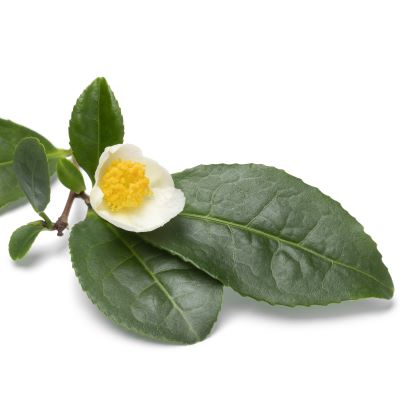
Oolong, Wu lung, Wu long. The so called dark green teas have a number of names. But they all share the typical shape of their leaves and their rich, sweetly concentrated flavor. Oolongs are said to exist in 3,000 varieties. Depending on the degree of fermentation (20-70%), they can be divided into many categories. Either way, these are always highly sought-after teas that produce a variety of infusions. Most of the production comes from China, some top oolongs are supplied by Taiwan, and high-quality ones can also be found in Vietnam or Thailand.
The production process is roughly the same everywhere: The harvested leaves are tossed in bamboo baskets to break their cell structure and release moisture, which triggers the natural oxidation of the enzymes. Depending on the degree of oxidation (sometimes incorrectly referred to as fermentation) required, the process is completed by heating the tea rapidly. It is then cooled and rolled into typical shapes. The leaves may resemble a Chinese dragon in their twisted form. To prevent them from sticking, farmers use traditional fine vegetable oils and waxes. The final steps are drying, sorting and packaging.
Drinking oolongs has many health benefits, according to traditional Chinese medicine. Although they contain less caffeine than black teas, they do not lack beneficial antioxidants or vitamins and minerals.
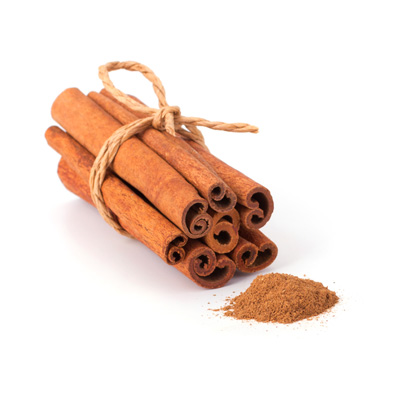
Cinnamon is used not only in the food industry, but also in cosmetics, medicine and pharmaceuticals. This is mainly due to its essential oils, which have exceptional refreshing properties and help regulate digestion. This aromatic bark of evergreen trees has a dark red color and the first references to it date back to ancient China (4000BC). Suprisingly, cinnamon didn't reach Europe until the 15th century. Today, cinnamon trees are cultivated in Indonesia, Madagascar, Brazil and throughout the tropical and subtropical zones of Southeast Asia.
Benefits of ingredients:



Tea packaging preview
We pack our teas in a strong, zip-lock aluminum packet which allows you to easily re-seal its contents. This container protects the quality of the tea against humidity, light or foreign odors, all of which could noticeably affect the quality of the brew.
Preparation
 80 °C
80 °C
|
 3-5 minutes
|
 1 teaspoon for 150-200 ml
|
Instructions for preparation
Pour 150-200ml of boiled water (80°C) per 1 teaspoon of tea.
When brewing in a teapot add 1 extra teaspoon.
Covered, let steep for 2 minutes, then remove the strainer.


Are you looking for inspiration? Other customers have bought this:
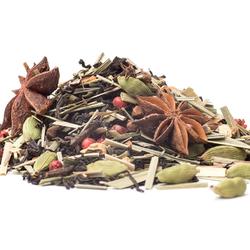
Masala Chai – Black Tea