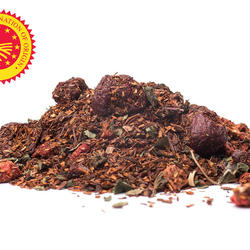
Cherry Honeybush


We don't always want to be bursting with energy, partying loudly and jumping to the beat. Sometimes, we need to stand still, think, relax, take a moment to wind down. And maybe that moment of relaxation will turn into a hearty sleep... Those who want to go for it should put at least a hefty bag of Cherry Honeybush between their coffee jars and tea boxes. This tea, though not actually a tea, will keep surprising you.
Shipping methods
| Nizozemská pošta HD - zásilkovna | Delivered by 22. 10. | 1,00 € |
|---|---|---|
 DHL DHL |
Delivered by 22. 10. | 4,90 € |


Ingredients
87 % Honeybush, 8 % Sour cherries, Natural aromaBrew & Taste
The infusion of Cherry Honeybush has a distinctive brownish-red color. The aroma is slightly sweet and the taste is excellently honey-like. By adding cherries, we've ensured that when you take a sip, a truly divine sensation spills down your throat. Warm, sweet, cherry-like...
For those who like ice tea type drinks, we recommend pouring hot Honeybush Cherry over some ice cubes. The result will be a refreshing and luxurious iced tea without refined sugars and chemical flavorings.
Origins
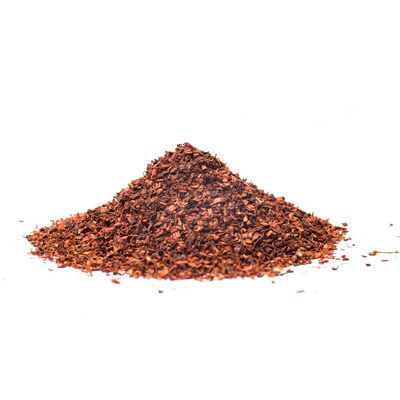
Honeybush originates from South Africa, its great taste and excellent health benefits were probably discovered by the Bushmen tribe. The first mention of the honey-scented shrub dates back to 1705, but its beneficial properties were not described until 1830. Honeybush is relatively new to the tea market, but it is one of the most popular drinks in Japan, Germany and Switzerland. Honeybush is made from the Cyclopia intermedia plant, which grows up to 150cm and has long twigs and needle-like leaves. They grow only in limited areas of the Southern and Eastern Cape of South Africa and have not yet been successfully cultivated on plantations.
This is partly due to their specific requirements for soil conditions and humidity, and also because of their high sensitivity to industrial chemicals. It can therefore be stated with certainty that honeybush is 100% natural and has not come into contact with any fertilizers or sprays. Harvesting takes a few days and starts when the bushes flower. The steep slopes are difficult for the pickers to reach, that's why they use ropes. They cut the bushes with sickles just above the ground and transport them in large baskets with pulleys to the valley. The production of the 'tea' itself has four stages: harvesting, cutting, fermentation, drying. After harvesting, the twigs and leaves are chopped into smaller pieces, usually 6-30mm in size. Fermentation takes place either in large piles or in preheated ovens. Either way, it uses the action of heat and moisture to ferment and turn the green plant parts mahogany brown. Honeybush is usually dried in direct sunlight for 1-2 days, then sieved and packed.
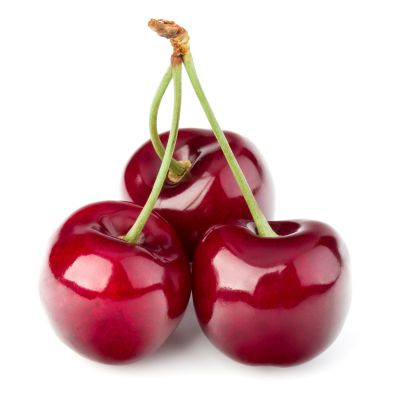
We ordered large pieces of sour cherries from a verified EU supplier who processed them by freeze-drying. This demanding process preserves the fruit very gently, so we are confident that Honeybush Cherry contains the highest quality ingredients.
Benefits of ingredients:

Tea packaging preview
We pack our teas in a strong, zip-lock aluminum packet which allows you to easily re-seal its contents. This container protects the quality of the tea against humidity, light or foreign odors, all of which could noticeably affect the quality of the brew.
Preparation
 100 °C
|
 3-5 minutes
|
 1 teaspoon for 150-200 ml
|
Instructions for preparation
Pour 150-200ml of boiled water (100°C) per 1 teaspoon of tea.
When brewing in a teapot add 1 extra teaspoon.
Covered, let steep for 3-5 minutes, then remove the strainer.


Are you looking for inspiration? Other customers have bought this:
Chai of Madagascar – Green Honeybush
Forest Witch – Green Honeybush