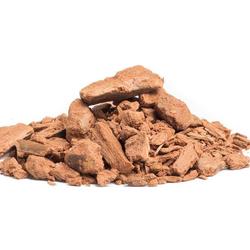
Camu Camu (Myrciaria Dubia) – Organic Herb


Superfruit, star of healthy diets, miracle from Peru. The red fruits of Camu Camu look like smaller lemons. But instead of sour, they're bland. Grounded, you can mix them into almost any drink to get a great source of vitamin C, phenol and carotenoids. Just one teaspoon and your day can be lit up and your mind clear as if you spent a month in the most beautiful South American countryside.
Shipping methods
| Nizozemská pošta HD - zásilkovna | Delivered by 22. 10. | 1,00 € |
|---|---|---|
 DHL DHL |
Delivered by 22. 10. | 4,90 € |


Ingredients
100 % Camu Camu BIOBrew & Taste
The usual way to consume camu-camu is to mix it into juice, yoghurt or milk. When you brew it in water, you get a drink with almost no smell and no noticable taste. This is an advantage if you don't want to change the original flavor of your food.
Origins
Botanists place camu-camu (Myrciaria dubia) in the same family as fruit trees such as the guava tree or the fragrant clove tree. Its home is the lowland rainforests of the Amazon, especially areas that are regularly flooded. The plant itself is not particularly interesting.
It is a branched shrub growing to 3-5m with lance-shaped to elliptic leaves. The flowers are white and smell sweet. Camu-camu fruits resemble the shape of a smaller lemon, but are very different in color: they tend to be light orange, sometimes dark purple.
Camu-camu is currently widespread in the lowlands of Colombia, Ecuador, Peru, Bolivia and Brazil. It needs a hot and humid tropical climate to grow, but also thrives in the subtropics and survives temperatures just above freezing. However, it always requires large quantities of water. It can even last up to 5 months with its roots and above-ground parts sunk in water. It is only recently that the Japanese and Chinese have begun to cultivate camu-camu.
North American tribes harvest the ripe, sour-tasting berries using canoes. An average of 12kg can be obtained from a single bush.
Camu-camu is not usually eaten fresh, but it is made into a delicious drink such as refrecso de camu camu, which is one of the highlights of Amazonian cuisine. The second way of processing the fruit is by removing the pit and drying at very low temperatures. This way, no vitamins or antioxidants are lost. Finally, the camu-camu is ground into a very fine powder.
Benefits of ingredients:
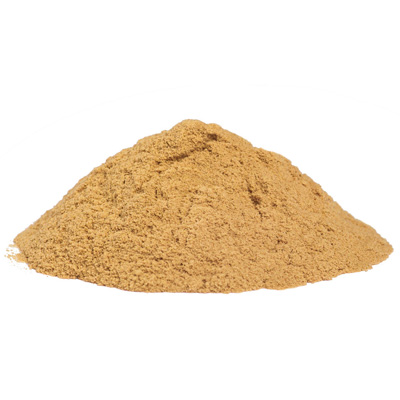

Herb packaging preview
We pack our herbs in a strong, zip-lock aluminum packet which allows you to easily re-seal its contents. Thanks to the hermetic seal, the herbs are protected against humidity, light and foreign odors, all of which could noticeably affect the quality of the brew and the herb itself.
Instructions for preparation
Stir 1 teaspoon of camu-camu into a drink or dish.
Do not exceed recommended daily dosage of 5g (approx. 1 teaspoon).


| Energy value: | 1521kJ/359kcal |
| Fats: | 0,12 g |
| of which saturated: | 0,10 g |
| Carbohydrates: | 82,96 g |
| of which sugars: | 14,12 g |
| Proteins: | 0,40 g |
| Salt: | 0,15 g |
Are you looking for inspiration? Other customers have bought this:
Lapacho – Herb
True Cinnamon – Organic Powder