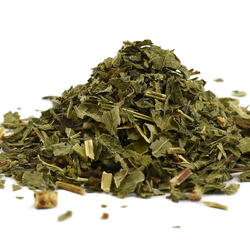
Sage (Salvia Officinalis) – Herb


This herb has the power of nature in its toolkit. Already in the Middle Ages, people knew that sage can help you stabilize digestion, respiration, excretion, even heart function. The history of this unusual plant reaches incredibly far. It was brought to Northern Europe by Benedictine monks. And soon, you’ll see why they wouldn’t take a step without it.
Shipping methods
| Nizozemská pošta HD - zásilkovna | Delivered by 12. 10. | 1,00 € |
|---|---|---|
 DHL DHL |
Delivered by 12. 10. | 4,90 € |


Ingredients
100 % Sage stickBrew & Taste
Dried sage tastes a lot stronger than fresh sage, which will become clear in its light greenish-yellow infusion. The aroma is very intense, astringent, and herbal. The taste is earthy and slightly bitter in the finish.
Origins
Sage (Latin Salvia officinalis) is one of the plants that humans have loved for centuries. It originates from southern Europe, mainly from the Mediterranean and the Balkans, where it thrives on rocky slopes bathed in sunshine. From there, it gradually spread throughout Europe, mainly thanks to Benedictine monks, who cultivated it in monastery gardens for its exceptional effects. Today, sage is commonly found in European gardens, since it’s a popular herb not only for making tea, but also for a wide range of dishes.
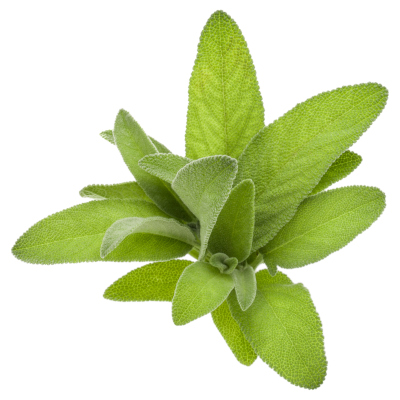
What does sage look like? It’s an evergreen subshrub with typically gray-green, velvety leaves and delicate purple flowers that attract bees and butterflies. It loves heat as well as dry, light, and soils with lots of calcium. In the wild, you can spot it across rocky outcrops, in dry meadows, or in vineyards where its distinctive aroma blends with the scent of thyme and lavender.
The Salvia genus includes more than a thousand species, but common sage itself has become the symbol of vitality and longevity. The ancient Romans considered it a “sacred herb of salvation”. Its name comes from the Latin salvare, meaning ‘to heal’. Whether used as a fragrant spice or a traditional medicinal herb, sage still retains its reputation as an exceptional herb that combines the power of nature, history, and culture throughout Europe.
Sage is rich in:
- essential oils (especially thuone, cineol, camphor),
- tannins,
- bitters
- flavonoids,
- rosmarinic acid and other polyphenols,
- B vitamins and minerals (calcium, magnesium, potassium).
Thanks to this, sage naturally has many beneficial effects on the human body. Here is just a short list of its effects on health: - naturally support of the immune system and defenses,
- contribution to normal respiratory function,
- supporting digestion and excretion,
- menstrual and menopausal comfort,
- regulating sweating and maintaining hormonal balance,
- acting as an antioxidant, protecting cells from oxidative stress,
- supporting joint, bone, and vascular health.
Sage is simply a symbol of vitality. Make it a part of your tea collection today.
Benefits of ingredients:

Herb packaging preview
We pack our herbs in a strong, zip-lock aluminum packet which allows you to easily re-seal its contents. Thanks to the hermetic seal, the herbs are protected against humidity, light and foreign odors, all of which could noticeably affect the quality of the brew and the herb itself.
Instructions for preparation
- Leave the sage in water at a temperature of 100 ° C in the ratio of 1 teaspoon (1g) per 2 dl.
- To prepare tea in a teapot add 1 - 2 teaspoons extra.
- After pouring, leave to infuse for 5-10 minutes, then strain.


Most popular accessories for this product
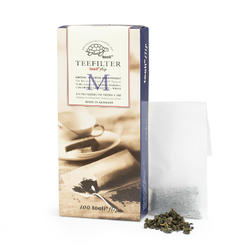
Paper Filter M for Cups & Teapots
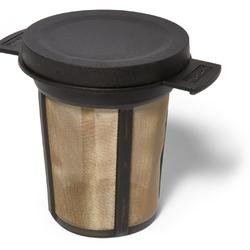
Tea Infuser – Medium
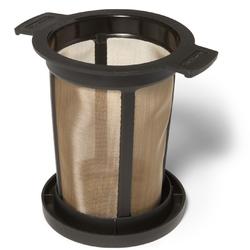
Tea Infuser – Large
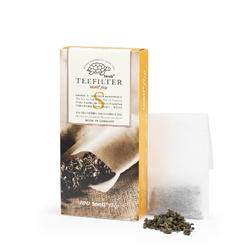
Paper Filter – Small, 100pcs

Herb Infuser ø 62mm
Are you looking for inspiration? Other customers have bought this:
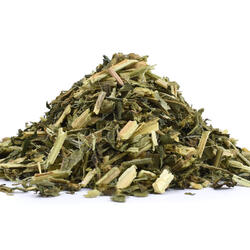
Nettle Leaves (Urtica Dioica) – Herb
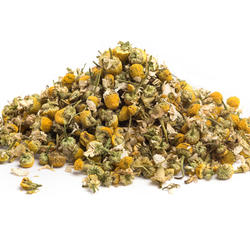
Chamomile Blooms (Matricaria Chamomilla) – Herb