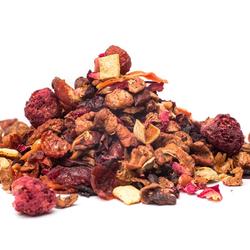
Cactus with raspberry - Cold Brew 15


It does not contain theine, has no thorns, and is not over-sweetened. Still, we call it tea. It tastes like cactus, and you can drink a pot of it while sitting down. We have put together Cactus with Raspberry Fruit Tea - Cold Brew 15 with apples, hibiscus, dragon fruit and raspberries, with stevia leaves adding sweetness. Another benefit? You only need cold water to prepare it. Let the tea steep for 15 minutes, and enjoy a rush of refreshment and joy.
Shipping methods
| Nizozemská pošta HD - zásilkovna | Delivered by 22. 10. | 1,00 € |
|---|---|---|
 DHL DHL |
Delivered by 22. 10. | 4,90 € |


Ingredients
Apple chunks, Tartaric acid, Moringa leaves, Hibiscus flower, Aroma, Dragon fruit chunks, Stevia, 1 % Raspberry chunks, BeetrootBrew & Taste
The infusion and flavour of the Cactus with Raspberry Fruit Tea - Cold Brew 15 is light red to orange in colour, and you can recognise raspberries, cactus, fresh hibiscus and juicy apples in its flavour. The aroma is pleasant and fruity.
Origins
All you need to make this tea is cold water, a cup and 15 minutes of your time. Pour water over the mixture, wait a moment, and voila! You have a wonderfully refreshing and fragrant drink. The great advantage of cold brew fruit teas is their quick preparation (unlike cold brew coffees, which macerate in water for several hours) and great taste. The low water temperature releases almost no bitter substances from the fruit and herbs. The drink is thus naturally sweet, smooth and yet rich in flavour.
Its essential ingredients include hibiscus, dragon fruit, stevia and raspberries. We will talk a little about them.
Hibiscus is a genus of herbs, shrubs and trees in the mallow family (Malvaceae). It is native to warm temperate and tropical regions. Many hibiscus species are cultivated for their vivid flowers, and some species are used as a source of material for fibre production.
Hibiscus is a very hardy and versatile plant that adapts well to a variety of conditions and can beautify any garden. In tropical areas, it can be grown in the limited space of balcony gardens or pots. It is a perennial plant available in many colours and prefers well-drained soil with plenty of organic matter and a slightly acidic to neutral pH.
In addition to its aesthetic use in gardens, hibiscus is also well-known in the kitchen and folk medicine. For example, the Hibiscus sabdariffa, known as Roselle, is used to make a refreshing red tea. It is popular for its unique taste and high vitamin C content.
You may also know the dragon fruit as pitaya. It is the fruit of a cactus belonging to the genus Selenicereus in the cactus family. Its native habitat is South and Central America, but today, farmers grow it in many tropical and subtropical regions globally, including Southeast Asia and the United States. Dragon fruit is typical for its leathery skin with distinctive scaly projections. Depending on the variety, it may have a sweet or sour flavour, and the flesh may be white, red or yellow. It usually weighs between 150 and 600 grams, but some pieces can weigh up to 1 kilogram. Nutritionally, dragon fruit is rich in fibre and vitamin C. It also contains many minerals and antioxidants.
We cannot forget about candyleaf, whose leaves give the tea its natural sweetness. Candyleaf (Stevia rebaudiana) is an herb from the Asteraceae family. It is native to Paraguay and Brazil. Its leaves contain stevioside and rebaudioside A, making it up to 300 times sweeter than regular sugar and do not raise blood glucose levels.
Candyleaf is a perennial, growing to a height of 30.5-80 centimetres, with elongated aromatic leaves and small tubular flowers. It requires rich, well-drained soil and flowers in spring and summer. Candyleaf is resistant to most pests and diseases and is ideal for growing in containers or gardens.
Candyleaf leaves are used as a sugar substitute not only in the food industry but also in home kitchens.
Finally, raspberries! The red to purple berries are popular not only for direct consumption but also for making jams, jellies, ice cream and various beverages. Raspberries are prized for their high nutritional value and a variety of vital vitamins and minerals, including vitamin C, manganese and fibre.
They are harvested from the raspberry tree, which is a perennial plant with woody stems that can reach over 1.8 metres in height. Raspberries are known for their compound leaves with three or more toothed petals. They require rich, well-drained soil and plenty of sun for optimal growth, although they can grow in partial shade.
You can prepare Cactus with Raspberry - Cold Brew 15 in two ways:
Hot Brew
- Pour on boiling water at 100 °C, in the ratio of 1.5-2 teaspoons per 200-250 ml. Steep for 5 minutes (with the cup covered), then strain.
Cold Brew
- Pour on boiling water at 15-20°C in the ratio of 2-2.5 teaspoons per 200-250 ml. Steep for 15 minutes (with the cup covered), then strain.
Benefits of ingredients:




Tea packaging preview
We pack our teas in a strong, zip-lock aluminum packet which allows you to easily re-seal its contents. This container protects the quality of the tea against humidity, light or foreign odors, all of which could noticeably affect the quality of the brew.
Preparation
 15-20°C
|
 15 minutes
|
 2-2,5 čajové lžičky na 2-2,5dl
|
Instructions for preparation
- Pour on boiling water at 15-20°C in the ratio of 2-2.5 teaspoons per 200-250 ml.
- To prepare the tea in a teapot, add 1 extra teaspoon.
- Steep for 15 minutes (with the cup covered), then strain.


| Energy value: | 4 kJ/1 kcal |
| Fats: | 0.5 |
| of which saturated: | 0.1 |
| Carbohydrates: | 0.5 |
| of which sugars: | 0.2 |
| Proteins: | 0.5 |
| Salt: | 0.01 |
Are you looking for inspiration? Other customers have bought this:
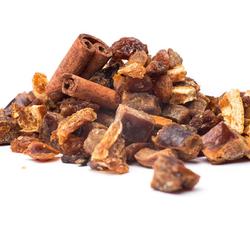
Vanilla Plum – Fruit Infusion
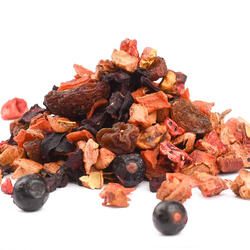
Child's Dream – Fruit Infusion