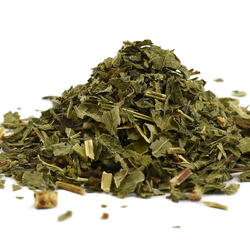
Wild Thyme (Thymus Serpyllum) – Herb


If you should have at least one herb in your home, let it be wild thyme. This flowering plant also known as elfin thyme has one of the broadest ranges of uses – it's beneficial for your respiratory tract, immunity and even digestion. Definitely keep a stash of wild thyme in your pantry.
Shipping methods
| Nizozemská pošta HD - zásilkovna | Delivered by 8. 10. | 1,00 € |
|---|---|---|
 DHL DHL |
Delivered by 8. 10. | 4,90 € |


Ingredients
100 % ThymusOrigins
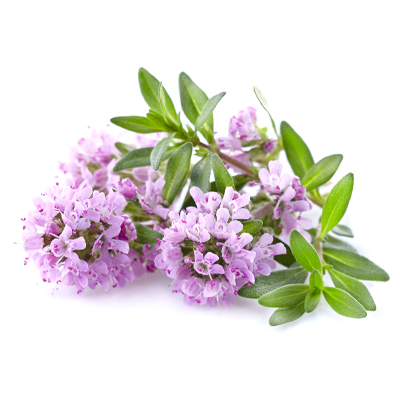
Eye¨catching name and even more charming appearance. It's perennial semi-shrub forming fluffy cushions of tiny purple flowers and a welcome addition to any garden or park. It's commonly found in meadows and field borders across almost all of Europe. Wild thyme is, as the name suggests, a subspecies of the popular seasoning thyme.
Wild thyme, scientifically known as Thymus serpyllum, has an attractive aroma that lures in bees and butterflies. It is therefore not surprising that it is often planted around beehives. Honey made from this flower is very delicious. The "serpyllum" of its Latin name comes from the Greek word for a vine – while it's a relatively low plant, it mostly grows wide, which earned it a folk name creeping thyme.
The ancient Egyptians used it to embalm bodies. Very soon, however, it was discovered that it would be even more beneficial for the living. The flowers are usually harvested in June and slowly dried at a low temperature. Its uses are really wide-ranging. It can be pressed into an essential oil, used to make baths and poultices, and the much-loved tea. This can be enjoyed in moderate amounts by everyone except those with thyroid disorders. Pregnant and nursing women should discuss consumption with their doctor beforehand. As with all herbs, a short break is recommended after 8 weeks of use.
Benefits of ingredients:

Herb packaging preview
We pack our herbs in a strong, zip-lock aluminum packet which allows you to easily re-seal its contents. Thanks to the hermetic seal, the herbs are protected against humidity, light and foreign odors, all of which could noticeably affect the quality of the brew and the herb itself.
Preparation
 100 °C
|
 15 minutes
|
 1 teaspoon for 250 ml
|
Instructions for preparation
Pour 250ml of boiled water (100°C) per 1 teaspoon of tea.
When brewing in a teapot add 1 extra teaspoon.
Covered, let steep for 15 minutes, then remove the strainer.


Are you looking for inspiration? Other customers have bought this:
Chamomile Blooms (Matricaria Chamomilla) – Herb
Linden Blooms & Leaves – Herb