Sweet Apricot – Green Tea


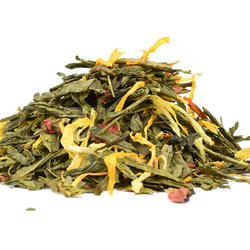
Make the best ice tea far and wide or warm yourself up after an autumn walk with Sweet Apricot tea. You can find many uses for this tea, just always make sure to enjoy the delicious flavor. We've blended it with high-quality green tea, large chunks of dried apricots, a bit of carrot and a few spoonfuls of honey. You'll just have to try it, and don't worry about any additional sweeteners.
Shipping methods
| Nizozemská pošta HD - zásilkovna | Delivered by 22. 10. | 1,00 € |
|---|---|---|
 DHL DHL |
Delivered by 22. 10. | 4,90 € |


Ingredients
74 % Green tea, 10 % Apricot chunks (apricot, rice flour), Carrot chunks, Safflower, AromaBrew & Taste
No other word for it than pleasant. Thanks to the fact that it contains green tea, you will find a slight astringency in it. Apricots add the sweetness of your favorite fruit to the tea blend, and honey rounds off the whole composition beautifully. The infusion is a nice yellow.
How to make a healthy iced tea with Sweet Apricot loose-leaf tea? Prepare the tea as usual. Fill a heat-resistant pitcher with ice cubes and pour the hot drink over them. Then just garnish with mint or lemon balm and maybe even sprinkle in some fresh apricot pieces.
Origins
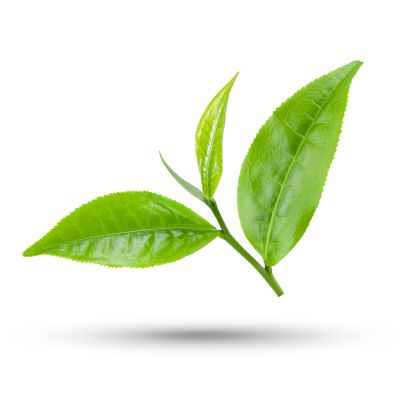
Green tea is made from the leaves of Chinese tea trees, which are evergreen shrubs native to southern and southeastern China. Today, they are grown by family businesses or large companies in the tropics and subtropics, most often of course in China, Japan, India, Indonesia, Sri Lanka and the Caucasus or South Africa. The leaves are harvested by hand or by machine, depending on the accessibility of the plantation and the variety of tea. They are left to wilt in the air and are processed by rolling, folding, chopping or similar methods. Finally, the tea needs to be dried, sorted and packaged.
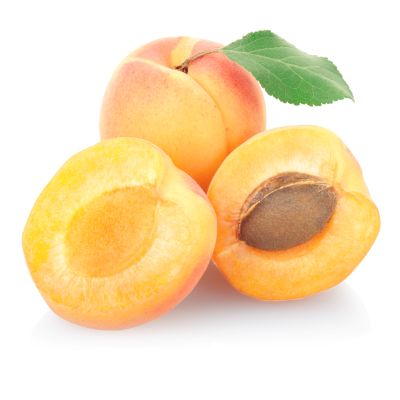
Apricots, like tea trees, originate from China. Trees of the plum genus produce orange, sweet and juicy fruits. They are both eaten raw and used for making jams, drying or distilling alcoholic beverages. Apricots are rich in potassium, phosphorus and calcium and contain vitamin C. Eating them can promote, for example, good sleep or the proper functioning of the metabolism.
Carrots are also at home in Asia. Botanists believe it originally grew in areas of Iran, Pakistan and Afghanistan. It is a biennial herb valued especially for its massive root that is used in the preparation of many dishes. It can provide a supply of health-promoting potassium, calcium and sodium, as well as vitamin C and carotene, which causes the signature red-orange color.
Benefits of ingredients:

Tea packaging preview
We pack our teas in a strong, zip-lock aluminum packet which allows you to easily re-seal its contents. This container protects the quality of the tea against humidity, light or foreign odors, all of which could noticeably affect the quality of the brew.
Preparation
 80 °C
80 °C
|
 2-3 minutes
|
 1 teaspoon for 150-200 ml
|
Instructions for preparation
Pour 150-200ml of boiled water (70-80°C) per 1 teaspoon of tea.
When brewing in a teapot add 1 extra teaspoon.
Covered, let steep for 2-3 minutes, then remove the strainer.


| Energy value: | 4 kJ / 2 kcal |
| Fats: | 0.1 g |
| of which saturated: | 0.1 g |
| Carbohydrates: | 0.1 g |
| of which sugars: | 0.1 g |
| Proteins: | 0.1 g |
| Salt: | 0.01 g |
Are you looking for inspiration? Other customers have bought this:
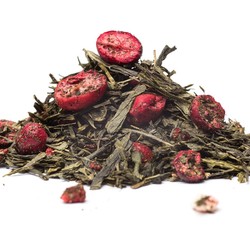
Lingonberry-Strawberry Sencha – Green Tea