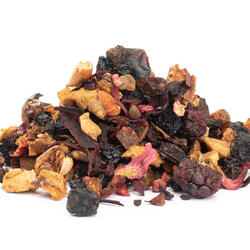
Strawberry-Ginger – Fruit Infusion


Healthy immune system, lungs and even digestion – those are the benefits of our Strawberry-Ginger tea. But health benefits aside, this tea is simply delicious; with juicy apple bits, freeze-dried strawberries and a tangy hint of ginger. Don’t worry about the spiciness ginger often brings; this time, it’s only a subtle note to finish the harmony of this sweet treat. And that makes it popular with not only adults, but kids too!
Shipping methods
| Nizozemská pošta HD - zásilkovna | Delivered by 22. 10. | 1,00 € |
|---|---|---|
 DHL DHL |
Delivered by 22. 10. | 4,90 € |


Ingredients
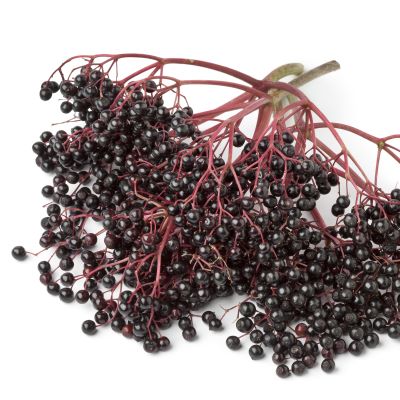
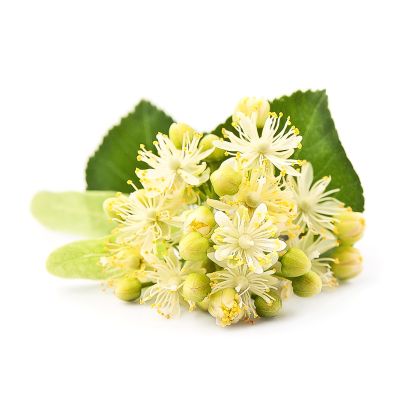
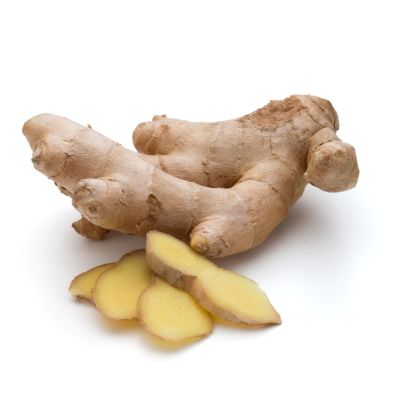
Apple chunks, Dried orange chunks, 4 % Strawberry chunks, Elderberry, Raspberry chunks, Linden flower + leaf, Orange tree flower, 1 % Ginger chunks, Natural aromaBrew & Taste
Strawberry Ginger tea has a light pink color and a pleasantly sweet, refreshingly fruity fragrance. It tastes just like a fruit bowl full of strawberries, raspberries, apples and oranges. Juicy, sweet and refreshing, all at the same time.
Origins
Remember this trio: apple, orange and strawberry. They'll come up a lot in this part. Not only are they the base for our delicious tea, but they’re also packed with a lot of good stuff. Let’s take a look at them one by one.
Apple; one the most common and most popular fruits in the world. It boasts a long history with humans that reaches as far as the ancient times. Their predecessors supposedly came from Asia, particularly the Tian Shan mountains – or the area of today’s Kazakhstan. From here, apple trees spread through the Silk Road to Europe, where they gained major popularity.
Apple trees, scientifically known as Malus domestica, are coniferous trees from the rose family. The tree can reach up to 12 meters in height, has oblong leaves and blooms with white or pink petals that ripen into – you guessed it – apples. This fruit can be found in all kinds of sizes, colors and flavors; from yellow to pink to red, from sweet to refreshingly sour. Apple trees are grown all around the world, but mostly in temperate climates around China, USA, Poland and Italy.
We’re well aware fresh apples are the best, but they also taste amazing juiced, pureed, stewed or used in a dessert of your choice. You can even use apples to make vinegar, ciders or spirits. But what actually makes apples so good? It’s mostly their vitamin C and fiber content, but also potassium, flavonoids and B vitamins.
The one singular best citrus? Of course that’s an orange. It comes from Southeast Asia where orange trees were cultivated for thousands of years. They were brought to Europe through trade with Arabian merchants and reached USA during its colonization. And for both it was love at first bite. Orange trees are perennial and can grow up to 10 meters. They sport dark green shiny leaves and fragrant white petals. Their fruit – oranges – are round, have a thick peel of orange color and juicy pulp divided into segments.
Just like apples, oranges taste best fresh, but they can also be used to make juices, jams or desserts. Their peel is used to create essential oils often utilized in the cosmetic industry and aromatherapy. Oranges are rich in vitamin C, fiber, potassium and folic acid.
Finally, strawberries: just like apples and oranges, strawberries have been cultivated by humanity since the ancient times, mostly in Europe and North America. The original tiny fruit you could find in a forest has long since been bred into the juicy, big strawberries you know today. The fruit that is often grown in modern gardens is the result of combining European and North American strawberry varieties in the 18th century.
Strawberries are a very adaptable plant that can grow in most climates around the world, but they do best in temperate and subtropical weather. Leaves of this herb are trifocal, and it blooms with white flowers. The fruit is considered aggregate and ripens in summer when it gains its signature vivid red color.
Not only are strawberries incredibly delicious, but they’re also super healthy. They can be used fresh in fruit salads, desserts, smoothies or jams or conserved into sirups. Strawberry extract is a favorite ingredient in cosmetics. They’re rich in vitamin C, fiber, folic acid, manganese, potassium and polyphenols.
Benefits of ingredients:



Tea packaging preview
We pack our teas in a strong, zip-lock aluminum packet which allows you to easily re-seal its contents. This container protects the quality of the tea against humidity, light or foreign odors, all of which could noticeably affect the quality of the brew.
Preparation
 100 °C
|
 8-10 minutes
|
 1 teaspoon for 150-200 ml
|
Instructions for preparation
- Pour 150-200ml of boiling water (100°C) per 1 teaspoon of tea.
- When brewing in a teapot add 1 extra teaspoon.
- Covered, let steep for 8-10 minutes, then remove the strainer.


Are you looking for inspiration? Other customers have bought this:
Child's Dream – Fruit Infusion
For Cold Weather – Herbal Infusion