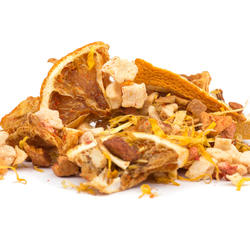
Goji-Raspberry – Fruit Infusion


Looking for a potion of youth and beauty? Try this tea – a stunning combination of antioxidants and beneficial nutrients in a blend of blueberries, pears, sea buckthorn, aronia, pineapple, papaya and cranberries that's enriched with the delicious magic of kiwi and goji.
Shipping methods
| Nizozemská pošta HD - zásilkovna | Delivered by 8. 10. | 1,00 € |
|---|---|---|
 DHL DHL |
Delivered by 8. 10. | 4,90 € |


Ingredients
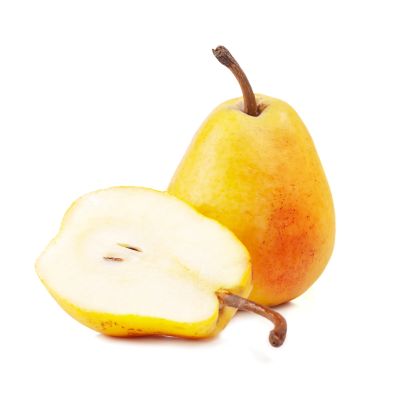
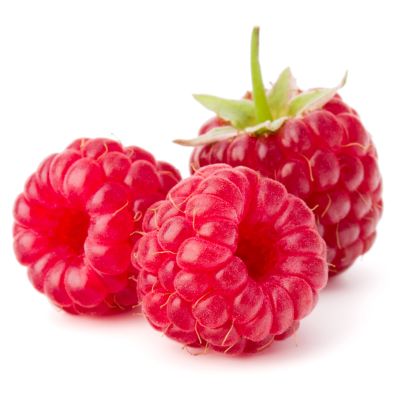
62 % Pear chunks, Kiwi (kiwi, cane sugar, citric acid), Sea buckthorn, Chokeberry, 5 % Goji, Natural aroma, Pineapple (pineapple, sugar, citric acid), Papaya (papaya, sugar), 2 % Raspberries, Bluberries (blueberries, sugar), Tartaric acid, CranberriesBrew & Taste
Goji-raspberry gives a red infusion with a distinct fruity aroma. The taste is refreshing and pleasantly astringent. It's easy to recognize sweet pears, aromatic raspberries and sour kiwi. In our experience, there is no need to add any sweeteners to this loose-leaf tea.
Goji-raspberry is great served hot, but don't forget about it in summer. Fill 2/3 of a tall glass with ice cubes and pour the warm tea over them. You'll get a refreshing and extremely healthy iced drink!
Origins
If we had to travel for every ingredient in this tea, we wouldn't have time for anything else. And we need it, because we're going to make more and more tea blends for you. So, to save us the time, we only travel to a handful of European suppliers. Because they hold many certificates and have been our partners for many years, we can always rely on the highest quality of the fruits, vegetables and spices we buy from them. They come from organic farming, so they do not contain any harmful substances. In addition, they are preserved using an extremely gentle freeze-drying method. It preserves up to 90% of the vitamins and does not alter the sensory properties in any way.
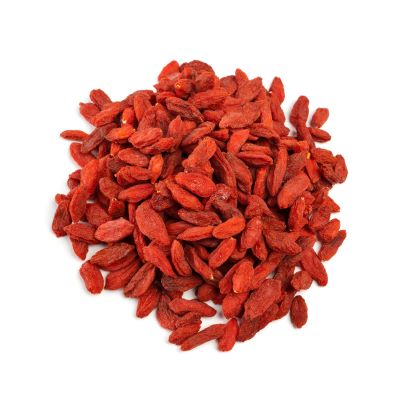
The goji berries, the main ingredient in this loose tea, come from a shrub with tiny leaves and inconspicuous flowers. Lycium chinense grows mainly in the Himalayan foothills. Its fruits were even used as currency in ancient China. They resemble our rosehip in shape and colour. They measure about 1-3cm, ripen twice a year and are often dried for the purpose of loose teas.
The taste is sweeter than rosehip but more sour than, for example, raisins.
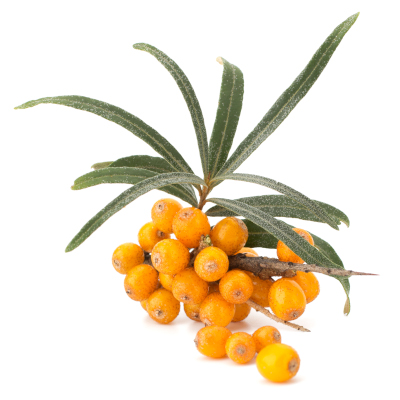
Sea buckthorn berries come from the deciduous tree of the same name, which is native to China, Mongolia, Nepal and India. The yellow-orange berries, 5-10mm long, taste from sweet and sour to bitter. Sea buckthorn is a thorny, up to 6m tall shrub, requiring a sunny habitat. In Russia, its berries are called 'the Siberian miracle' or 'the lemon tree of the north'.
Benefits of ingredients:

Tea packaging preview
We pack our teas in a strong, zip-lock aluminum packet which allows you to easily re-seal its contents. This container protects the quality of the tea against humidity, light or foreign odors, all of which could noticeably affect the quality of the brew.
Preparation
 100 °C
|
 8-10 minutes
|
 1 teaspoon for 150-200 ml
|
Instructions for preparation
Pour 150-200ml of boiling water (100°C) per 1 teaspoon of tea.
When brewing in a teapot add 1 extra teaspoon.
Covered, let steep for 8-10 minutes, then remove the strainer.


| Energy value: | 11 kJ / 3 kcal |
| Fats: | 0 g |
| of which saturated: | 0 g |
| Carbohydrates: | 0.7 g |
| of which sugars: | 0.7 g |
| Proteins: | 0 g |
| Salt: | 0 g |
Most popular accessories for this product
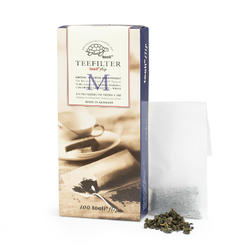
Paper Filter M for Cups & Teapots
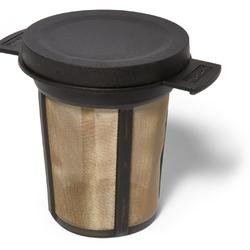
Tea Infuser – Medium
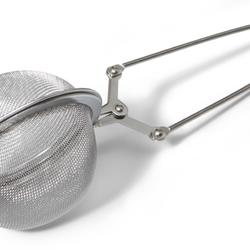
Tea Infuser Tongs – 65mm
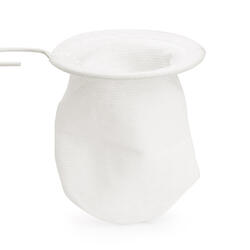
Cotton infuser M - 1 piece
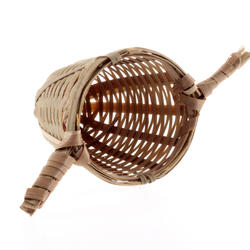
Bamboo Strainer with Two Handles
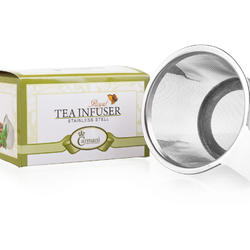
Stainless Steel Tea Strainer
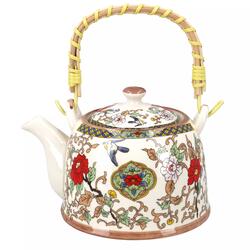
Oriental Teapot with Strainer – 900ml
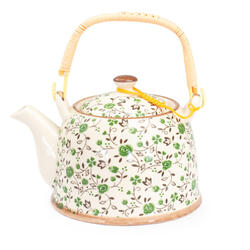
Floral Teapot with Strainer II – 900ml
Are you looking for inspiration? Other customers have bought this:
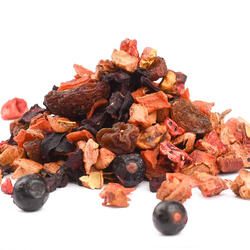
Child's Dream – Fruit Infusion
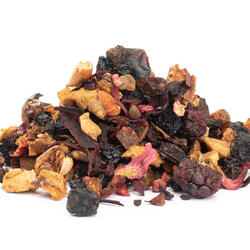
Forest Fruit – Fruit Tea