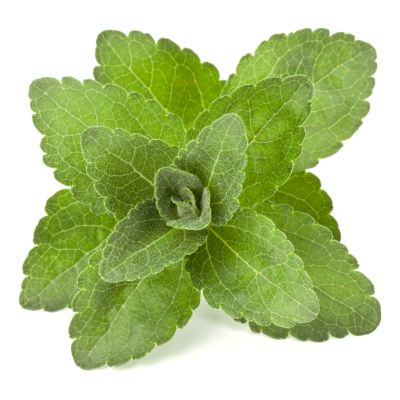
Stevia Rebaudiana Leaf – Herb


Forget about bland teas. This herb was used in infusions as far back as centuries ago by the native tribes of Paraguayan wilderness. Stevia creates such a nicely balanced taste in tea that it’s likely to charm even those who usually avoid tea. Besides that, it also improves the taste of various herbal brews.
Shipping methods
| Nizozemská pošta HD - zásilkovna | Delivered by 22. 10. | 1,00 € |
|---|---|---|
 DHL DHL |
Delivered by 22. 10. | 4,90 € |


Ingredients
100 % SteviaBrew & Taste
Dried stevia leaves are vibrantly green, soft to the touch, and incredibly potent. You can use them in two ways: either as part of tea blends or added to finished infusions. You only need a little bit for tea; just a few leaves for a large teapot.
The taste is herbal with a slight hint of licorice or honey. It goes best with black teas, rooibos, or spicy blends, where the subtle herbal hides among the other flavors. It dissolves a little less easily in cold drinks, so mix it in a bit of warm water first.
Origins
Stevia was discovered by the Guaraní natives in the Paraguayan mountains. They called it "ka'a he'ê", or sweet grass, and used it not only to flavor their traditional maté tea, but also as a home remedy. Europeans only discovered it at the end of the 19th century, when it was described by Swiss botanist Moisés Santiago Bertoni. But the real surprise came in the 1930s, when French chemists discovered what makes stevia so sweet.
They found steviol glycosides, namely stevioside and rebaudioside A, which are a hundred times sweeter than sugar. It also contains vitamins C, A, and E, as well as minerals such as calcium, iron, and phosphorus. Most interestingly, glycosides are completely indigestible. They pass through the intestines and come out unchanged, which means they don’t break down into sugars and hence don’t affect glucose or insulin levels.
Stevia slowly made its way into the world. The Japanese began using it in the 1970s and still swear by it today. Europe and America were more cautious, only approving it in 2011, after years of testing. Now, however, it’s grown everywhere, most notably in China, Japan, and India. Stevia is also environmentally friendly. It doesn’t need as much water as sugar cane, doesn’t require chemical sprays, and grows well even in poorer soils. Up to half a kilogram of dried leaves can be obtained from one plant per year.
Benefits of ingredients:

Herb packaging preview
We pack our herbs in a strong, zip-lock aluminum packet which allows you to easily re-seal its contents. Thanks to the hermetic seal, the herbs are protected against humidity, light and foreign odors, all of which could noticeably affect the quality of the brew and the herb itself.
Preparation
 85-90°C
|
 5-10 minutes
|
 1 - 2 teaspoons for 250 ml
|
Instructions for preparation
- Pour 150-200ml of boiled water (85-90°C) per 1-2 teaspoons of tea.
- When brewing in a teapot add 1 extra teaspoon.
- Covered, let steep for 5-10 minutes, then remove the strainer.


Are you looking for inspiration? Other customers have bought this:
Vanilla Plum – Fruit Infusion
Creamy Strawberries – Fruit Infusion