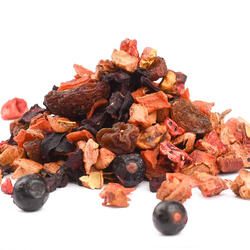
Sikkim Temi SFTGFOP1 First Flush – Black Tea


The least populated region of India has only one tea plantation. It's called Temi, and it produces a tea that is in high demand around the world. It's called the "Tea of kings" and is one of the most sought-after and rare teas. Sikkim Temi is extremely delicious, sweet and slightly fruity. It may remind the ladies of a true Indian cashmere – soft, warm and luxurious. Wrap yourself up!
Shipping methods
| Nizozemská pošta HD - zásilkovna | Delivered by 15. 10. | 1,00 € |
|---|---|---|
 DHL DHL |
Delivered by 15. 10. | 4,90 € |


Ingredients
100 % Black tea Sikkim Temi SFTGFOP 1 First flushBrew & Taste
Sikkim Temi SFTGFOP1 First Flush has a beautiful clear, golden-orange brew, which is a sign of its high quality. The aroma is natural and balanced. The flavor of this exceptional tea has a smooth, sweet base with hints of fruits and flowers. We can taste a slight spiciness that gives harmony and underlines its uniqueness.
Origins
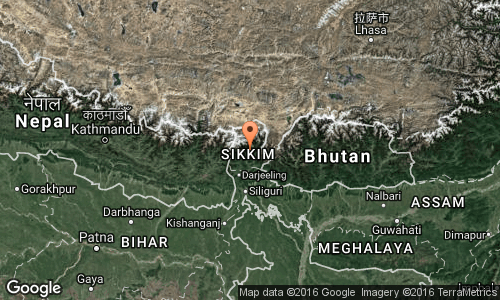
This rare tea is grown in eastern India. The high mountains of the Sikkim region have given it its strength, specific flavor and delightful aroma. The 430 acre plantation is considered one of the finest, not only in India but in the world. The tea produced in this garden is marketed as 'Temi Tea' or the popular 'Sikkim Solja', 'Mystique' and 'Kanchanjunga Tea'.
Chinese tea trees (Camellia sinensis) are grown without conventional agrochemicals, which, although they increase fertility, are stored in the leaves and can pass through them into the human digestive system. Many European countries, as well as Japan, strongly prefer organic teas. The company running the plantation, Temi Tea Estate, was founded in 1969, employs 400 people and produces about 100 tonnes of tea a year.
This area has a 30-50% slant, making it difficult to grow anything there. Sikkim's tea trees grow near other plants such as alder, chestnut, garlic, laurel and cinnamon, plum and cherry trees. Their aroma transcends into the tea leaves and gives Temi Tea its unique fragrance. The harvest takes place from March to November when local women go to the plantations early in the morning to pick the day's crop in large baskets attached to their backs by a strap around their foreheads. The tea leaves are left to wilt and rolled in order to damage their cell walls and release the juices needed for the next step – fermentation. It takes place under high humidity and heat, and the quality of the final product depends on its conditions. The fermentation process is therefore carefully monitored. Subsequently, the leaves that have changed color from green to copper are hot air-dried, sorted and packaged.
The main importers of Sikkim Temi SFTGFOP1 First Flush are Germany, the UK, America and Japan. A full three-quarters of the production goes to Kolkata for auction.
Benefits of ingredients:
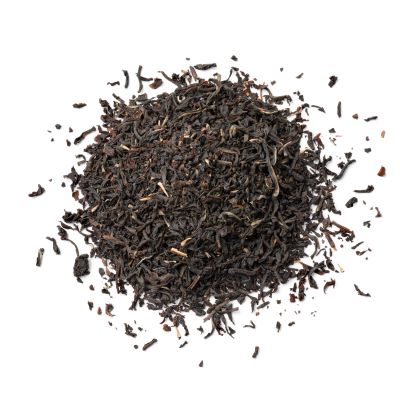

Tea packaging preview
We pack our teas in a strong, zip-lock aluminum packet which allows you to easily re-seal its contents. This container protects the quality of the tea against humidity, light or foreign odors, all of which could noticeably affect the quality of the brew.
Preparation
 100 °C
|
 3-5 minutes
|
 1 teaspoon for 150-200 ml
|
Instructions for preparation
Pour 150-200ml of boiling water (100°C) per 1 teaspoon of tea.
When brewing in a teapot add 1 extra teaspoon.
Covered, let steep for 3-5 minutes, then remove the strainer.


Are you looking for inspiration? Other customers have bought this:
Lapsang Souchong – Black Tea
Vanilla Plum – Fruit Infusion